Would Banning Diesel Exports Lower Your Fuel Bill? Probably Not for Long

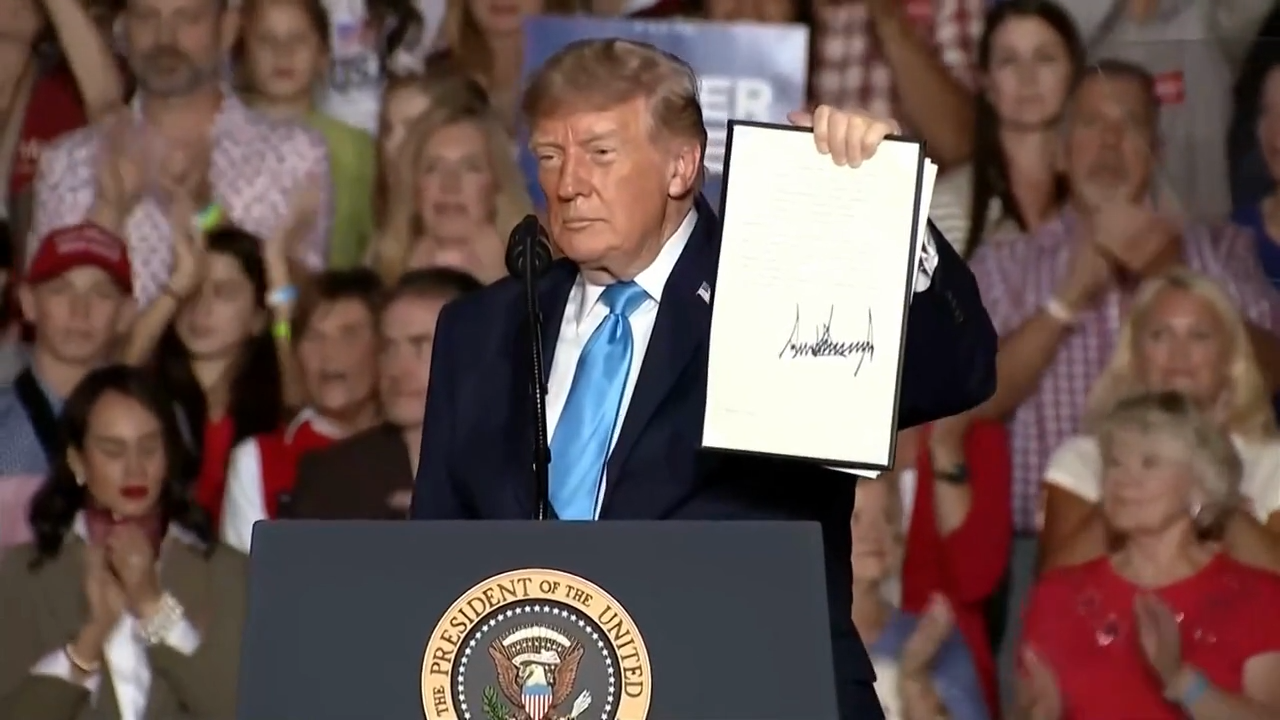
President Donald Trump said on September 22, 2026 he supports the idea of banning U.S. diesel exports and asked advisers to study options. Reuters reported the endorsement. S&P Global reported Trump told advisers to examine restriction options amid Republican pressure over prices. He called it an idea for study.
Some senators and governors want a temporary ban to keep more diesel at home, according to Marketplace. Senate Republicans disagreed over a plan to block diesel exports to lower prices for farmers facing high costs, The Hill reported. The focus is home supply and farm bills.
U.S. diesel topped $6.50 per gallon, CBS News reported. Prices hit record highs because the world is short on supply, according to Reuters. Americans paid roughly $321 million more for one day of diesel than a year ago, Axios reported. That hits truckers, farmers and grocery prices.
A ban would almost certainly lower prices for a short time for some buyers on the Gulf Coast and in the Midwest, according to the Atlantic Council. That report came out September 23, 2026. Help would be brief and local.
But the same ban could raise fuel and gasoline prices on the East and West Coasts, Reuters reported. It could cut refinery runs, which is how much oil fuel factories process each day, by 2 million barrels per day, according to S&P Global.
Analysts warned a U.S. ban would push diesel prices up around the world, according to U.S. News and Axios. They warned it would hurt U.S. refining profits. They said it would likely raise U.S. diesel prices over time.
Bans have come up before when pump prices were high. MarketWatch keeps a June 22, 2022 archive item titled "Biden official won't rule out ban on fuel exports". In November 2021, MarketWatch ran "Why tapping the SPR is one of many 'bad' options to ease gasoline prices". That story said stopping U.S. crude exports would backfire by giving producers less reason to drill.
The law changed on December 18, 2015, when the U.S. allowed crude oil exports without a license. Later, foreign supply got tighter. The EU banned Russian crude oil and oil products, including diesel, in late 2022 and early 2023. That included the June 3, 2022 sixth sanctions package against seaborne Russian crude into the EU, and the early 2023 ban on seaborne Russian diesel.
The broader context here is like blocking a river instead of making more water. Gulf Coast and Midwest prices could dip because fuel is trapped at home, but coasts that buy fuel shipped by sea would pay more to replace it. Like a bakery that must bake bread and rolls together, a refinery makes diesel and gasoline together, so cutting back makes both scarcer.
Looking at what this means for risk, help in one place would mean pain in another. Gulf Coast price gaps would first show fuel piling up, East Coast and West Coast price add-ons would show stress, and world price gaps would carry the missing U.S. fuel to Europe and Latin America. For market pros, the question is how long it lasts. A short ban brings quick help now and higher costs later through lower output and less investment, the same warning made in the 2021 crude-export debate.