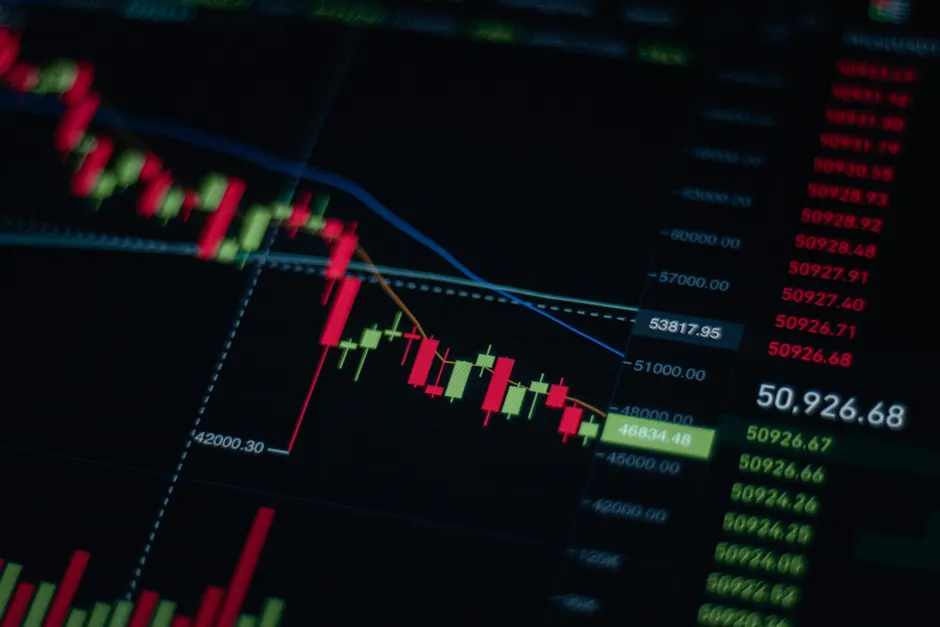
Why Scary Bond Markets Matter for Your Money

Bank of America warned on Sept. 25, 2026, that bond fear plus falling bank stocks could mean a sharp market shock. MarketWatch
The call rests on its Global Financial Stress Index. Think of it as a fever thermometer for markets, made from 20 world signals. MarketWatch
On Sept. 11, 2026, its strategists said cash leaving U.S. stocks could mean bumpier prices. Investors seemed too calm about rising Treasury yields, the government borrowing rates that shape mortgages and loans. Bloomberg
On Sept. 10, 2026, the bank flagged a $163 billion risk over stocks. Yahoo Finance
In a Sept. 8, 2026 update, it still saw help for stocks in the second half despite rising world bond rates. Its team expected three 0.25% hikes in 2026, starting in September. Bank of America Private Bank Bank of America Private Bank
On Sept. 14, 2026, chief executive Brian Moynihan said third-quarter 2026 trading income would be about flat on a year ago. Bloomberg
The broader context here is everyday money. Bond stress tightens credit. Future profits count for less today, and long loans need extra pay. Banks feel it in lending, loan losses and funding. Weakness in both spots means stress can spread.
Looking at what this means for positioning, order matters. Outflows cut buyers. Calm on rates builds risk. Even part of a big overhang can shake prices when markets are thin.
In my view, warning and support can both hold. Payouts, buybacks and earnings can prop stocks while rate resets shuffle leaders and widen daily moves. Flat trading fits choppy, two-way flow.
For those tracking risk from here, staying power decides. A quick spike is noise. A long rise with weak banks and fund withdrawals tells desks to cut risk. Three quarter-point hikes lift short rates and press stocks unless profits cover it.