Tesla Delays Its New Sports Car Reveal Because of Bad Weather

Tesla has pushed back the first showing of its new Roadster sports car from October 1 to October 15 in Waco, Texas, because bad weather is forecast. TechCrunch
Tesla says the event must be outside, so it will wait rather than move indoors. The delay is two weeks. The car will not go into production soon.
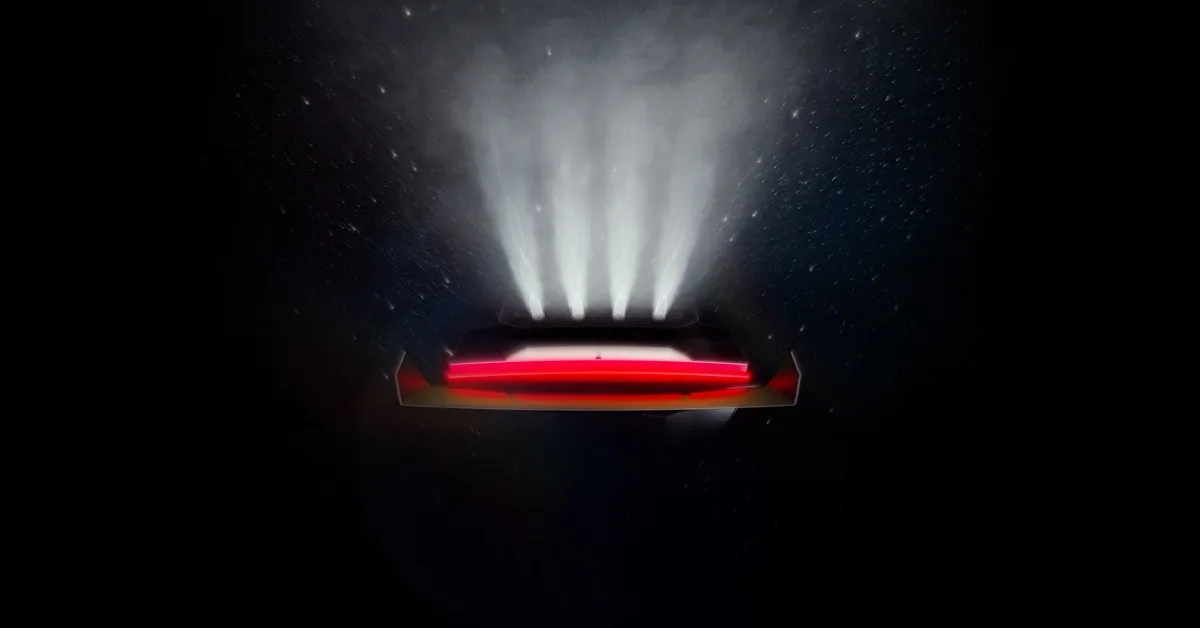
The reason it must be outside has to do with what Tesla plans to show. Tesla has been adding SpaceX cold-gas thrusters, like powerful jets of compressed air that can push the car upward, meant to let the Roadster lift off the ground in some way. That system is a central part of the redesigned car and its first public showing.
This project has a long history. Tesla first showed the idea for this second Roadster in 2017 at the same event where it showed its Semi truck. The very first Tesla Roadster was largely based on the Lotus Elise. This new one was designed from scratch as a rare, high-end showcase car, with large deposits to match.
Tesla asked buyers for $50,000 deposits for a car expected to cost about $200,000. It also offered 1,000 special Founders Series cars for $250,000 reservations. In short, buyers paid a large amount early to hold a spot in line for a rare, expensive sports car.
Production is still a long way off. Elon Musk has said it will likely take a year or more after the showing before the car is built. That follows an earlier plan. On February 28, 2024, Tesla said it hoped to start production in 2025, according to Reuters.
The broader context for buyers is that the two-week wait matters less than what still has to be solved. Trust in a car paid for in advance depends on getting two hard jobs done. One is building a normal but very expensive, low-volume car that is strong, safe, stays cool, lasts, and can be repaired. The other is fitting a space-style pressure-gas system into a road car, including where parts fit, how to refill it, how it is controlled, how it stays safe, and how it gets approved.
In my view, insisting on outdoors makes sense. The jets are simple in idea but hard in real life. Tanks, pipes, valves and controls add weight and take up space. Any test with lifting needs open air to be safe and easy to see. After October 15, the practical questions will be how long the push lasts, how long a refill takes, how much extra weight it adds, and how it affects driving distance, handling and tires.
One thing worth flagging is how long buyers have waited. They put down large deposits years before any factory plan, and now even the showing has slipped for weather. That approach can pay for work and keep interest, but it puts a lot of pressure on trust. I remain hopeful over the long run, because trying new ideas at the edges is often how useful new features are proven. If Tesla can show a car that can lift in a controlled, repeatable way that can be serviced, other carmakers, parts suppliers and safety officials will learn from it even if only a few are sold.