Pharrell's New Direction at Louis Vuitton: From Bold Colors to Quiet Elegance
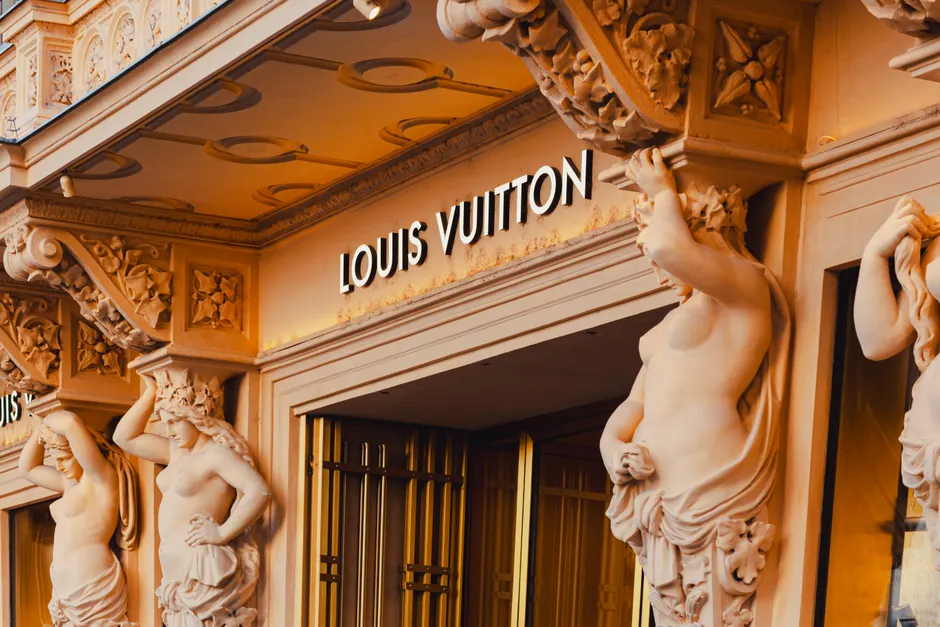
Pharrell's New Direction at Louis Vuitton: From Bold Colors to Quiet Elegance
Pharrell Williams showed Louis Vuitton's men's collection for spring and summer 2026 at the Centre Pompidou in Paris on June 24, 2025. According to Reuters, the collection drew inspiration from Indian clothing traditions — featuring hand-stitched embroidery, rich jewel-toned colors, and design shapes rooted in South Asian heritage.
The Pompidou is a famous museum with striking industrial architecture (all the pipes and steel are on the outside rather than hidden inside). Since it opened in 1977, it has been used as a dramatic setting for major events. For this show, Williams filled the space with pieces built on Indian craft techniques: intricate embroidery work, draped fabrics, and a color palette that connected back to the subcontinent.
Williams has worked as Louis Vuitton's Men's Creative Director since 2023. His approach has been consistent: he borrows from different cultural traditions — street style, Black American heritage, and now South Asian craftsmanship — and combines them with Vuitton's existing design expertise. The result is presented as luxury fashion without hesitation.
The India-inspired collection wasn't a sudden change in direction. It fit his established method: gather cultural ideas from different places, run them through Vuitton's workshops and craftspeople, and create something new. What made this collection stand out was how specific it was. Instead of the vague global mood board that luxury menswear has relied on for years, Williams gave this collection a real geographic anchor through hand-decorated fabrics, the way clothes draped, and the choice of colors.
Six months later, Williams shifted his approach. At Paris Fashion Week in January 2026, Reuters reported that he presented a more muted collection. The colors were softer, the style more subdued and carefully structured. It was noticeably different from the bright, visually intense collection shown at the Pompidou.
This back-and-forth pattern — one season bold, the next restrained — is worth paying attention to. It shows how creative directors working for major luxury brands have to balance two competing demands: creating designs that appeal to customers everywhere in the world, while still earning respect from critics in Paris, where fashion ultimately gets judged.
The deeper story is about pressure on luxury companies. LVMH, which owns Louis Vuitton, is watching its business carefully. After the pandemic, luxury sales slowed down, especially in major markets like China. A men's designer who has real cultural authority — not just celebrity status borrowed from somewhere else — becomes strategically important. The India-inspired collection, shown in one of Paris's most recognizable buildings, was meant to generate buzz through photographs and social media as much as through the actual clothes.
There's an open question here that matters to the fashion industry. When a luxury brand uses cultural references from another part of the world, did they work directly with local artisans and craftspeople? Did they properly credit and pay them? Or did they just adapt the visual style without that partnership? The fashion world is increasingly being held accountable for these questions, but the available information doesn't make clear what happened in this case. Louis Vuitton hasn't publicly explained the details.
What we do know: Williams has now created and shown two substantial collections in Paris — one expansive and colorful, one quieter and more refined. Both were presented in a city that remains the center of the global men's fashion world.


