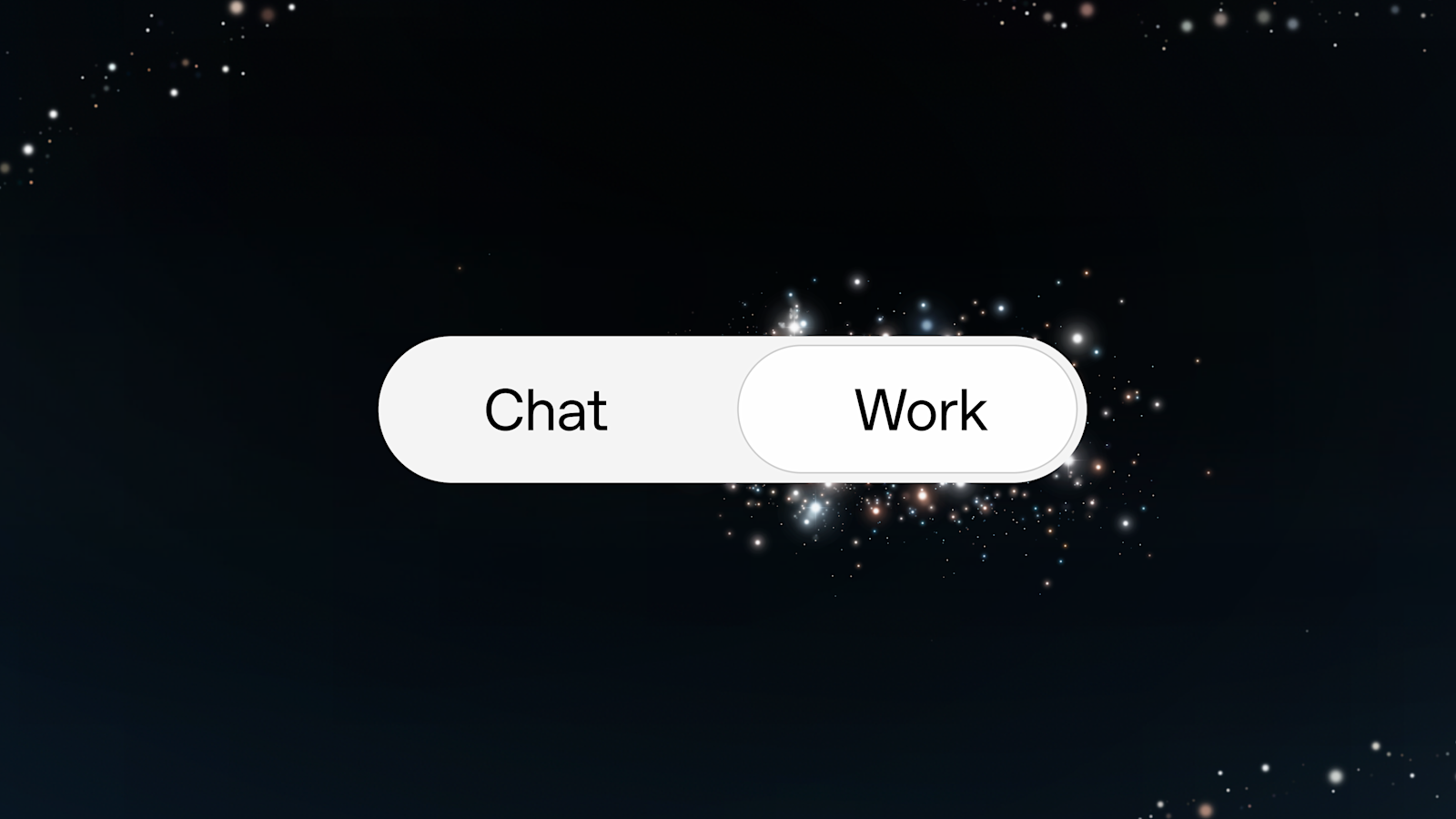
OpenAI's New Dots Are AI Helpers That Work in the Background

OpenAI announced Dots, a personal agentic assistant powered by GPT-6 Astra, at its DevDay event in San Francisco, California, on September 29, 2026. TechCrunch Chief executive Sam Altman showed the system during the keynote speech. Reuters
Dots arrived in ChatGPT on September 29 for Pro and Business Premium users in eligible markets. It works with ChatGPT on web, mobile and desktop. OpenAI Help For Pro users, it is not available in the European Economic Area.
You can start a Dot from Codex or ChatGPT. Once it is running, you can talk to it through Slack, Teams and other work platforms. Support for text messages is coming soon.
Dots stay on in the background. Like a helper who keeps working after you leave the room, a Dot is not tied to one phone or screen. It follows goals you set, with little direct supervision. It can link to more than 400 apps and learn from your feedback. Firstpost
Each Dot gets its own ID, logins and tools. OpenAI said it is working with Microsoft to fit Dots into Agent 365 security controls.
The DevDay 2026 keynote started at 1PM ET. The Verge OpenAI had described the September 29 event as a first look at what is next in ChatGPT, Codex and tools for building. The company held its third annual DevDay on October 6, 2025, at Fort Mason in San Francisco.
The broader context here is a move from asking and answering to handing over work. A chat window needs a person to guide each step. A background helper with its own ID, logins, tool access and app links does routine work on its own. The person steps in only when needed.
In my view, that makes ID checks and clear rules the main task, more than making the model smarter. Anyone who has handled logins for software, limits on what apps can do, and records of who did what will know this pattern. If OpenAI gets limits, monitoring and switch-off right, small teams could get more done at once without extra process. If not, scattered logins and quiet mistakes become a real risk. The hopeful case to test first is well-limited Dots that take routine coordination off people's plates.