OpenAI Has a New $500 ChatGPT Plan: What Changes for You
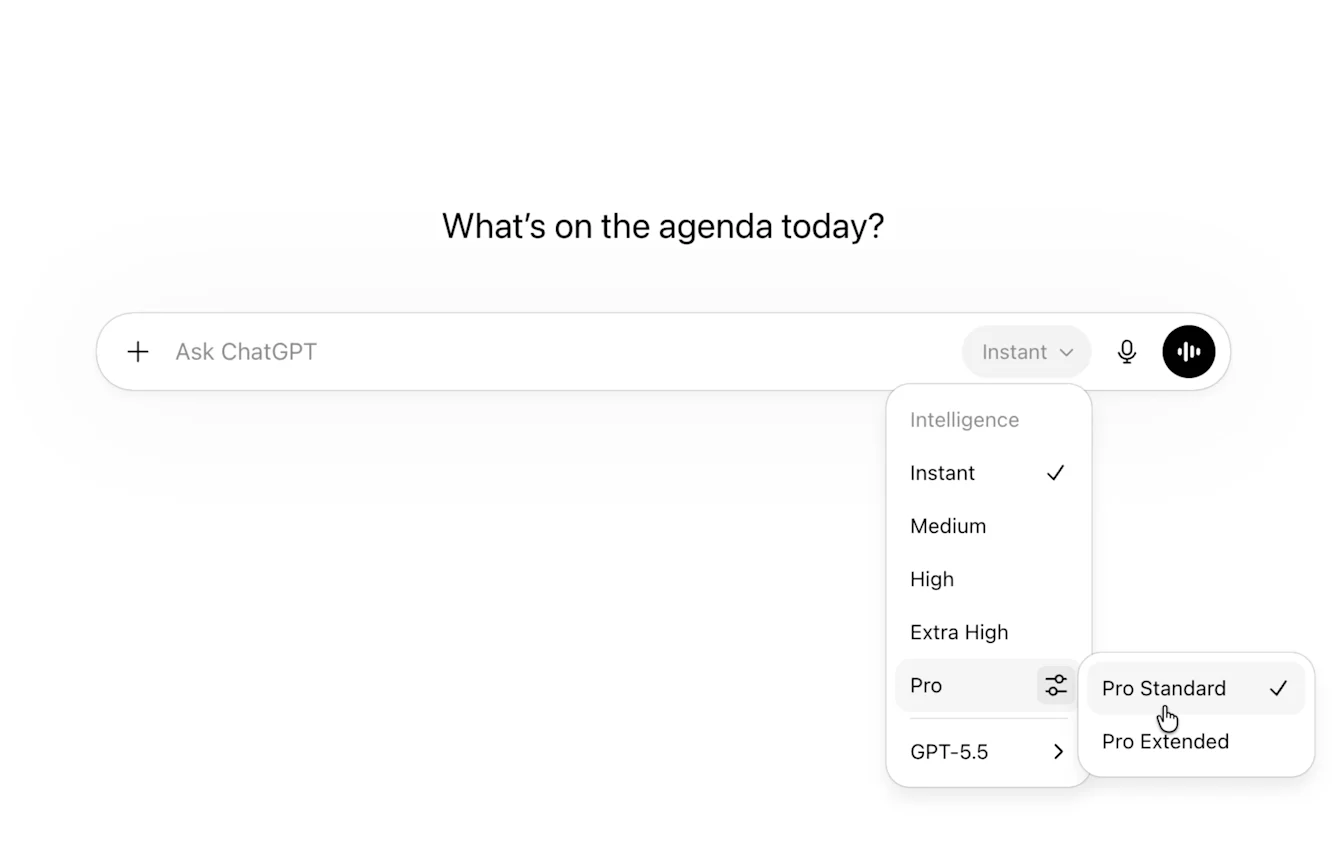
OpenAI announced a $500-a-month Pro 500 plan at its DevDay event on Sept. 29, 2026. It is the top ChatGPT Pro plan for included use and the only Pro plan with a new Ultrafast speed setting. Engadget
Ultrafast is picked in the model picker on Pro 500. With it on, Codex, the coding helper, and Work, the step-by-step computer helper, can write up to 300 tokens per second. Tokens are small bits of words the system reads and writes. The same fast setting is also open to API users, developers who connect to OpenAI from their own apps.
On Pro 500, Ultrafast use comes from included use first, then from extra credits after that runs out. Buying credits on Pro 100 or Pro 200 does not turn on Ultrafast at launch. OpenAI Help Center
To place that speed rule in context, steady speed helps most with long jobs. Coding work in Codex, multi-step computer work in Work, and long reviews gain more from steady output than from a quick first word. Keeping the 300-token mode on Pro 500 and API keeps it as a paid premium speed class, not a speed boost for all.
Pricing and limits
OpenAI launched the $200 Pro plan at the end of 2024. Under the new setup, included use in Codex and Work for $200 members drops from 20 times the Plus amount to 10 times. Message limits for GPT-6 Pro in ChatGPT drop from 200 to 100 per week. Engadget
The price for Pro 200 stays at $200. New Pro 200 signups get the lower amount. Plans active at the cutoff date, or in the seven days before it, keep the old amount through Oct. 29, 2026 while the plan stays active. A plan that lapsed in those seven days can still keep the old amount through Oct. 29, 2026 if renewed. After that, those accounts move to the lower amount at the same $200 price.
OpenAI said current $200 members will keep present limits for a time and later get a one-time credit. Keeping the old Pro 200 amount does not move an account to Pro 500 and does not add Ultrafast.
The Pro range now has three monthly plans: Pro 100, Pro 200 and Pro 500. Pro 200 includes more use than Pro 100. Pro 500 has the most included use. New Pro 200 plans are open again from the pricing page. Across Pro, the bundle includes Pro models, Codex, deep research, image creation, memory and file uploads. OpenAI Help Center
Like a phone data plan, Plus is the starter amount. Pro 100 and Pro 200 raise the amount. Pro 500 raises the amount and adds speed.
Agents and distribution
All Pro members will get one Dot, OpenAI's new personal helper. Chats with Dot will not count toward the ChatGPT use limit.
The context for that counting rule is how fast always-on helpers use limits. A helper that runs in the background can use up weekly caps fast. Leaving Dot out keeps trying Dot separate from normal use of GPT-6 Pro, Codex and Work.
OpenAI also said it is working with 16 companies, including Notion and Cognition, to let Plus and Pro customers use OpenAI models inside those services with Sign in with ChatGPT, with no API key setup. An API key is like a special password for developers. Engadget
For work teams, the background here is simpler logins. Sign-in replaces separate keys for each service, password upkeep, and separate bills for light use. ChatGPT permissions carry into outside tools. Use stays counted inside OpenAI's amount and credit system instead of split across outside contracts.
Speed and models
Along with the plan changes, OpenAI announced GPT-6.1 Sol. The company says Sol works almost like GPT-6.0 Astra for coding and computer use while costing one-fifth the price.
Plus, Pro, Business, Enterprise and Education users can use GPT-6.1 Sol in Codex and Work starting Sept. 29, with ChatGPT access to come later.
That release order makes sense when heavy use is considered. Codex and Work are where most use piles up. Releasing the cheaper model there first lowers the average cost per task before opening it to broad chat use.
The broader context here is cost catching up with packaging. Providers spent two years competing on memory size, test scores and handling text, images and sound. Now plan amounts, message caps, extra credits and speed levels are the main controls. OpenAI now splits plans less by which model you can use and more by how much you can run and how fast it replies.
In my view, that fits how heavy users really behave. A small group of builders and researchers uses most of the output through helpers that loop, retry and check their own work. A flat $200 plan never fit that pattern well. A $500 plan with the largest amount plus a paid 300-token mode does. Heavy Codex and Work users either accept 10x Plus on Pro 200, buy credits, or move to Pro 500.
Worth flagging for teams is to check where use goes before picking. If Codex speed is the holdup, Ultrafast on Pro 500 may cut time per task even if total use stays the same. If weekly GPT-6 Pro messages are the holdup, the drop from 200 to 100 affects review and research more than coding speed. And if you rely on Astra, test Sol on your own work before assuming it will match there.
Looking at the longer arc, you get more for each dollar over time. A model with near-Astra skill at one-fifth the price, open on day one across home and work plans in coding tools, lets small teams automate more without spending more. The top plan costs more. Everyday running just got cheaper.


