Why Oil Prices Hit Pause After a Sharp Climb
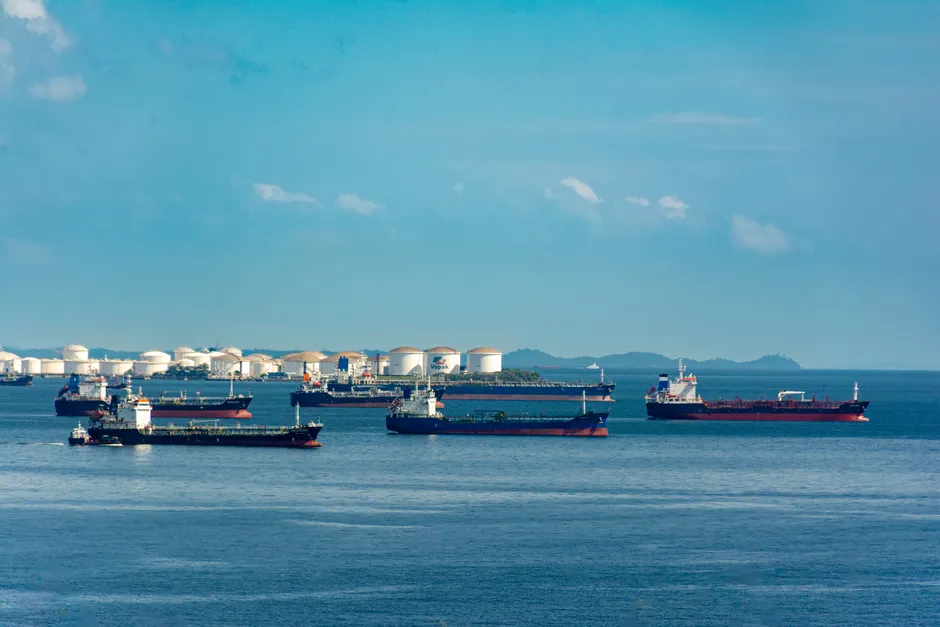
Oil prices barely moved in early Asian trading on Oct. 1. Traders were waiting on U.S.-Iran peace talks and checking new numbers on oil shipments from the Gulf, according to Channel NewsAsia. The calm came after prices rose the day before and climbed a lot in September. Trading was quiet and moves were small.
Oil had settled 2.5% lower on Tuesday as more Middle East oil looked to be coming back, according to BNN Bloomberg. Analysts at JPMorgan put Middle East exports at 17.5 million barrels a day, or 98% of levels before the war, according to Yahoo Finance. Through much of August and September, buyers had paid extra because supply might be cut off.
Iraq offered its October oil deals at discounts of up to $37 a barrel against regional price markers, according to Bloomberg. Saudi Aramco told its regular buyers in Europe they would get no Saudi oil in October, according to OilPrice. At the same time, total shipments from the Gulf were reported to be rising.
Prices had run up fast before this pause. Brent oil, the world price most people follow, rose above $94 a barrel on Aug. 20 as Middle East shipments fell sharply, according to The Wall Street Journal. Prices later fell on uncertainty around U.S.-Iran talks and a pickup in shipments, according to The Wall Street Journal. By Sept. 15, oil hit four-month highs after Saudi Arabia's East-West Pipeline shut down, with threats to ships in the Red Sea adding to worry about supply, according to The Wall Street Journal.
About 20% of the world's oil passes through the Strait of Hormuz, a narrow waterway, according to Reuters. Earlier, oil for the nearest delivery month closed 0.2% higher at $92.60 a barrel during the standoff over Hormuz. The East-West Pipeline gives Saudi Arabia another route that avoids Hormuz, and news about it closing and reopening moved prices.
World oil supply was expected to drop by 8 million barrels a day in March, with Middle East losses partly made up by more pumping elsewhere, according to the IEA. The U.S. EIA said prices should start to fall as Gulf shipments recover slowly and oil that was shut in comes back.
The broader context here is a shift from fear to plenty. Think of August like a store charging more when shelves looked empty. Late September looked more like a clearance sale, with sellers cutting prices to move oil. For drivers and savers, that shift can feed into gas prices and the cost of living.
In my view, the test is not just the big number of 17.5 million barrels a day but whether buyers take it without bigger price cuts. Europe must now replace Saudi barrels while Iraq cuts prices to sell its October oil. That is why traders watch price gaps by region, oil type and delivery date, including Brent-Dubai spreads and sour crude gaps, more than the headline price alone. Talks set the background risk. Actual barrels set the near price.


