Africa Is About to Host Enormous AI Computers — And a Fight Over Who Controls Them
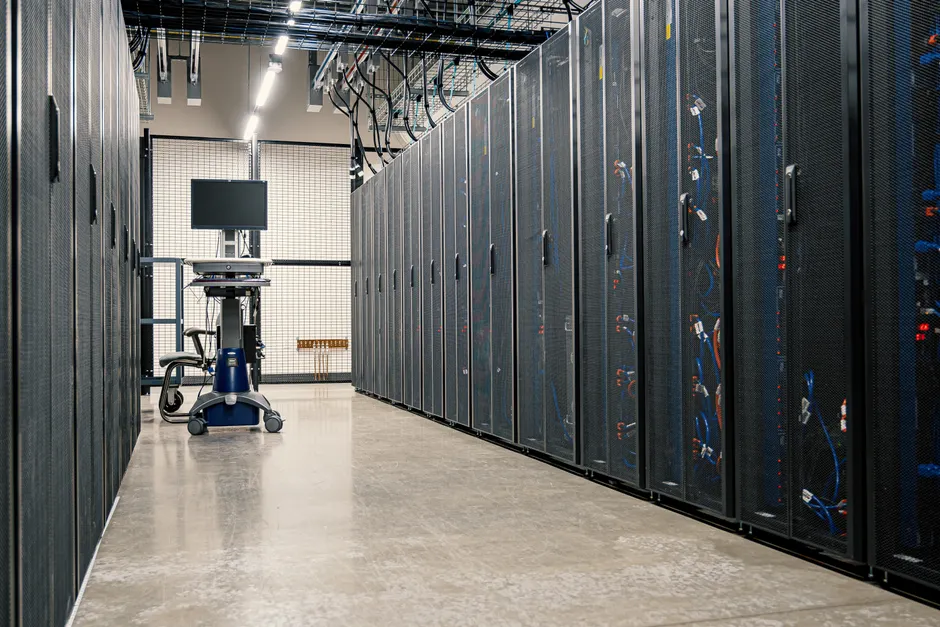
Africa currently has less than 2 percent of the world's data centre capacity — the large, climate-controlled buildings that house the computers powering everything from email to artificial intelligence, according to the Africa Data Centres Association. But that is about to change. Major tech companies and African governments are now racing to build vast new AI computing facilities on the continent. What happens next will depend on three things: who gets to own these facilities, who pays the electricity bill, and whether Africans benefit or whether foreign corporations mostly profit.
The scale of money being committed is enormous. The World Economic Forum estimates that investment in computing infrastructure across the continent could create $1.5 trillion in value. Microsoft has pledged R5.4 billion to expand computing and AI facilities in South Africa. And in September 2025, South Africa's government launched something called the AI for Africa Initiative — a plan to connect all 54 African nations to share AI capabilities. This last move signals something important: African leaders are not just thinking about making money from tech companies. They want to control their own digital infrastructure.
The Electricity Problem
Building enormous data centres is expensive, but the real challenge is more basic: power. Computers that run AI need constant electricity — a lot of it. According to a UN report cited by Reuters, data centres worldwide used 448 terawatt-hours of electricity in 2024 (a terawatt-hour is a trillion watt-hours — think of it as the yearly power use of a large city). By 2030, AI data centres alone are expected to use three times that amount. In Africa, where many countries already struggle to keep the lights on, this is a major problem.
Africa uses far less electricity for data centres than any other part of the world — currently less than 1 kilowatt-hour per person, with projections to double by 2030, according to IEA data. This can sound like good news: room to grow. But it actually reflects a harder truth. Africa's electrical grids are not reliable enough to power the enormous computers these facilities would need. Building giant AI data centres on fragile grids is like building a massive factory in a region where the power keeps cutting out.
Solar power is being touted as the solution. But having solar panels that produce electricity is different from having the wires and systems to deliver that power reliably to where it is needed. Most African countries are still building these connections, and it is happening much slower than the solar installations themselves.
Who Owns the Computers Matters
When Microsoft or Google builds a data centre somewhere, they design it to work with their own global systems. Their priority is serving their customers worldwide — not necessarily helping local African communities. African governments, though, want to pass laws saying data about their citizens must stay within their borders. Nigeria, Kenya, and South Africa have all passed or are considering such rules. The question is: can their laws keep up with how fast foreign companies are building these facilities?
The $1.5 trillion value estimate depends entirely on what these facilities are actually used for. If a data centre helps African companies offer financial services to Africans, it builds wealth on the continent. If it exists only to run AI training for models that foreign companies will sell worldwide, most of the profit leaves Africa. That is the key difference — and it is exactly what South Africa's AI for Africa Initiative is trying to prevent.
South Africa's AI for Africa Initiative is trying to do something that has never really been done before: get 54 different African countries to agree on shared rules before foreign tech companies lock in unfair deals. It sounds simple, but it is enormously difficult. Each country has different laws, different power grids, and different amounts of power to negotiate with huge corporations. Whether they can actually stick together and hold their own against Microsoft, Google, and other tech giants is the big question no one can yet answer. But attempting it now — before the facilities are built and the contracts signed — may be Africa's only real chance.