Google Just Won a Big Court Fight Over AI Answers in Search
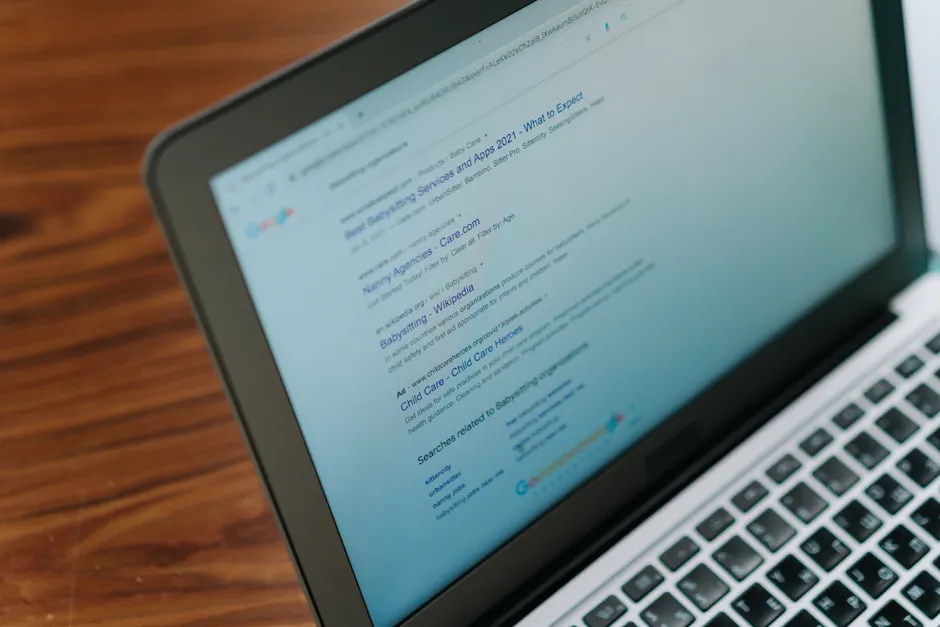
U.S. judge Amit Mehta has thrown out lawsuits from Chegg and Penske Media against Google over its AI answers in search. The Verge
The decisions were made in Washington. The Business Times Both companies said Google abused its power in search by giving publishers a bad choice. Let Google use their articles for free in its AI Overviews, or disappear from search results. AI Overviews are the short AI-written answers at the top of Google searches.
Chegg and Penske said Google used its control of search to keep readers on Google instead of sending them to their websites. That cut their income. They said Google would have paid them for their work if there was real competition.
Mehta disagreed. He said the publishers only had an 'expectation' that Google would send them visitors if they left their content open for free, and that "an expectation is not an agreement but how a general search engine works".
Google never promised that traffic. It reads public web pages, files them away, and puts them in order by what it thinks is most useful. It is a bit like opening a shop on a busy street. You may expect passersby to come in, but the street did not promise you customers. Hoping for visitors does not make a contract.
Mehta ruled that Chegg and Penske had not properly shown violations of the Sherman Act, the U.S. law against monopoly abuse. Forbes He added that "the court is not unsympathetic to publishers' situation, but antitrust rules cannot replace a legislative decision to address the economic impact of new innovation".
Mehta is the same judge who ruled against Google in a major antitrust case in 2024. Penske Media filed its AI Overviews case against Google in 2025.
The broader context here is the difference between needing Google and proving Google broke competition law. Losing readers and losing power to ask for payment are serious business problems. They do not by themselves prove that Google kept its monopoly in an unfair way.
In my view, that difference will shape future fights between publishers and tech platforms more than these two cases. If AI answers mean fewer clicks, publishers have three tough choices. They can join together to ask for payment, they can build direct ways to reach readers without search, or they can ask lawmakers for a new payment rule. Courts are now saying competition law cannot be used as a shortcut.
One thing worth flagging is that the technology choice still matters. How Google finds information, writes summaries and links to sources still decides how much benefit goes back to publishers, even if the law does not set the design.
Looking further ahead, new deals over how content is used look more likely than a return to the old system of clicks. AI search makes it cheap and fast to combine many sources into one answer. The chance now is to build clear credit and links to sources into those answers from the start.


