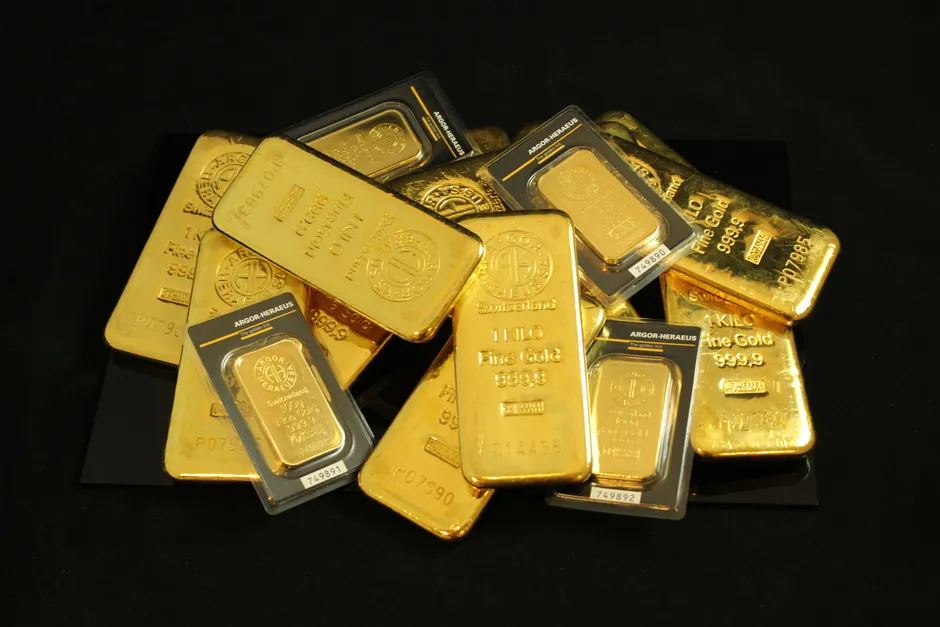
Why Gold Ticked Up When Talk of Higher Rates Cooled

Gold rose 0.2% to $4,165.29 an ounce on Oct. 1. Softer U.S. inflation made traders less sure the Federal Reserve will raise interest rates in October.
Bets on an October hike fell to 31% from 69% a week earlier, according to Reuters.
It followed swings in September. On Sept. 29, spot gold rose 0.7% to $4,142.89, near a seven-week low, ahead of U.S. economic data. U.S. gold futures settled about 0.3% higher at $4,179.70, according to Reuters. Two weeks earlier, spot was up 2.3% at $4,360.36, according to Reuters.
On Sept. 16, the Fed's rate-setting committee raised its main rate by a quarter point to a range of 3-3/4 to 4 percent, according to the Federal Reserve. A quarter point means 0.25 percentage points. That followed no change at 3-1/2 to 3-3/4 percent in its March 18 and April 29 statements. The Board voted unanimously to keep the rate paid on bank reserves at 3.65 percent, starting July 30, 2026, as recorded in the July meeting minutes. The committee holds eight regular meetings a year.
Data and Wall Street calls had pointed to the September increase. The latest U.S. inflation report and surging crude prices reinforced bets the Fed will raise rates, according to Bloomberg. Goldman Sachs expected the Fed to raise rates again in October 2026. The Wall Street Journal's Oct. 1 report, titled "Gold Edges Higher; Prices Could Remain Under Pressure ...", noted gold prices declined as rising oil prices reinforced expectations the Fed might raise rates further next month. In early July, gold fell as much as 1.1% before cutting losses, when traders priced a 25% chance of a hike at the Fed's next meeting in July, according to Bloomberg. Lower-priority video coverage from that period described gold sliding below $4,000 an ounce in Monday trading after Fed Governor Christopher Waller said rates may need to go up. The Oct. 1 Reuters report forecast the 2026 average gold price at $4,490 an ounce.
The broader context here is simple and matters for savers and borrowers. Think of interest rates as the reward for keeping cash in savings. Gold pays no interest. When rates are expected to rise, savings pay more, so holding gold costs more in missed interest. Oil pulls two ways. Higher oil can make gold appeal as protection against rising prices, but it can also push the Fed toward higher rates. That tug explains the choppy path from $4,360 to $4,142 to $4,165.
In my view, focus less on the $4,165 price and more on what could happen in October. We know the current rate range. What traders expect can still shift fast with new data. The drop from 69% to 31% is a big pullback, but 31% still means a hike is possible. The gap between cash gold and futures, bets placed around inflation and Fed dates, and money moving between bank reserves and short-term loans will pass any shift through quickly. A $4,490 average forecast points to still-high prices even with near-term pressure, more steady trading in a range than a collapse.