Why America Wants Europe to Open Its Emergency Diesel Tanks

France and Germany were told to release 120 million barrels of emergency diesel over six months or face a US export ban, according to sources cited on Oct. 1. The volume and timetable were reported by Reuters and U.S. News.
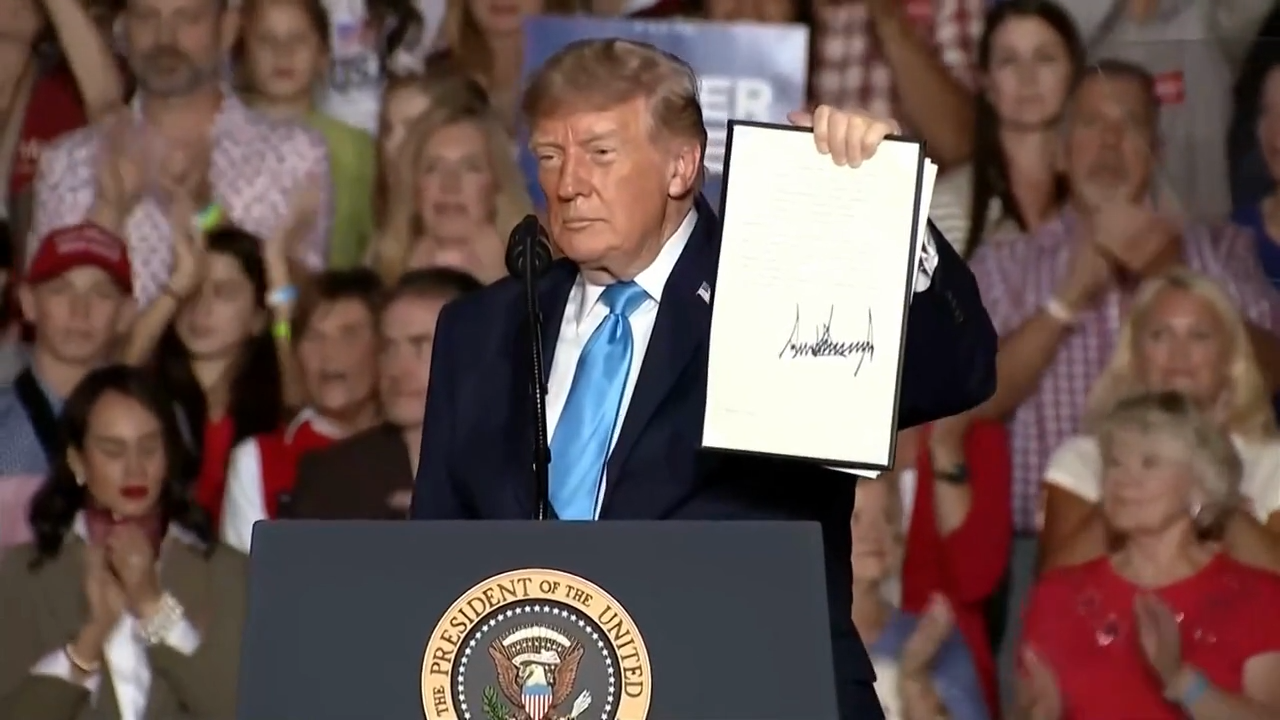
Donald Trump demanded that Europe release emergency diesel reserves or risk losing US supplies, according to The Telegraph. The request went to the European Union and directly to Paris and Berlin. The goal was to lower record US diesel prices.
Diesel prices had hit record or near-record levels in early October, according to Reuters. The six-month plan means a steady flow of finished diesel, not a single quick sale.
EU countries hold almost 109 million tonnes of emergency oil and fuel, according to Reuters. That covers both crude oil and finished fuels. So the 120-million-barrel diesel request would hit only the finished-fuel part. Countries would need to use diesel in tanks or turn crude holdings into diesel, based on how each country stores oil.
European diesel futures fell about 5% on Oct. 2, according to Reuters. Gasoil is Europe's main price measure for diesel and heating oil. The fall came a day after the US demand was reported. Crude oil prices moved less.
This comes after an earlier joint release. On March 11, the IEA said members would make the largest-ever oil release because of Middle East conflict disruptions, according to the IEA. Members agreed to release 400 million barrels, as described in the agency's podcast account. The pace of those releases had slowed before the IEA's August 2026 Oil Market Report, according to that report.
The broader context here is crude oil versus finished diesel. Think of crude as flour and diesel as baked bread. Adding crude gives refineries more to work with. Adding diesel puts the finished product straight on the shelf.
In my view, the timing matters as much as the size. Spread over six months, 120 million barrels means a steady daily amount. Markets can react to that plan fast, which helps explain the 5% drop. Real shortages take longer to fix. Tank levels, shipping, refinery shutdowns and winter heating demand still play out in daily buying. If the promised barrels arrive late, backwardation, when fuel for now costs more than fuel for later, can rebuild just as fast.
Looking at what this means for emergency policy, using an export ban as pressure is unusual. These stocks were saved for supply emergencies, not for managing prices between allies. Stock managers must balance minimum safety levels, IEA rules and refilling needs against political pressure. For fuel buyers and risk desks, the test is simple. Watch sales offers and stock reports, not headlines. That will show if the 5% drop lasts.