Why Stocks Rose Even Though Borrowing Costs Jumped Past 5%
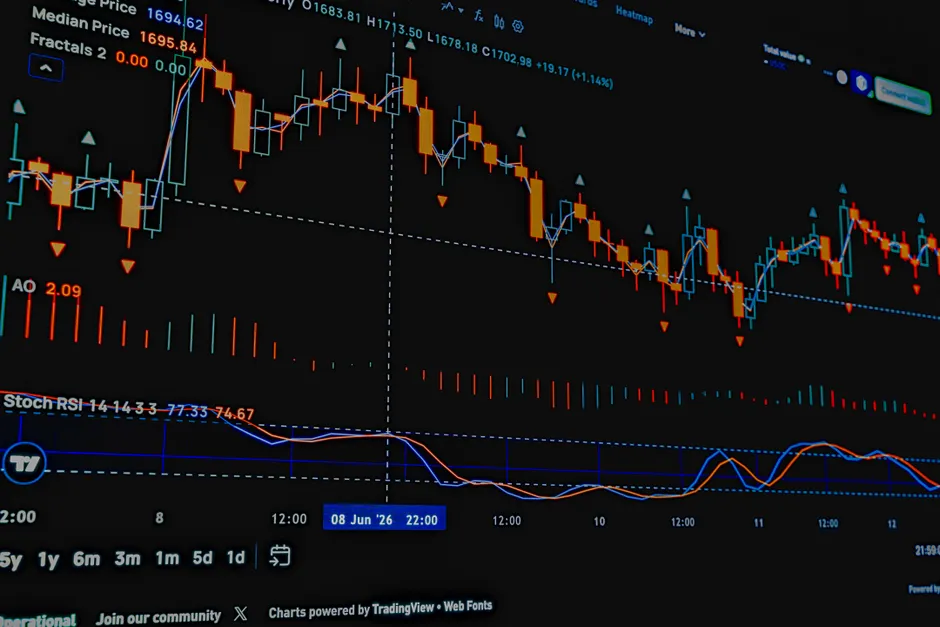
The S&P 500, a basket of 500 large U.S. companies, rose on Monday, Oct. 5, 2026, while the Nasdaq hit all-time highs. Most of the very biggest companies and fast-growing stocks rose, keeping large tech firms at the center of the market's gains Reuters.
The dollar and yields on U.S. government bonds climbed in trading reported Oct. 4-5, 2026, while oil prices fell Reuters. Stocks still moved higher even as rates used to value future profits rose and energy costs eased.
The jump in rates has been fast. The yield on the 10-year Treasury bond, basically the interest rate on a 10-year loan to the U.S. government, climbed to 5.293%, its highest since June, in trading reported Sept. 29 Reuters. It then touched 5.344% during the day, while the Nasdaq Composite added 0.04% to close at 26,871.60 CNBC. The 10-year later rose as high as 5.34% for the first time since 2002 Boston Herald.
Moves around 5% have been choppy. After hitting 5% on Monday morning, the 10-year slipped to just below that level in mid-September trading CNN. On Oct. 2, the 10-year edged higher even though the jobs report was weaker than expected. The Nasdaq then gained 1.2 per cent as the yield briefly fell below 5.17 per cent BNN Bloomberg.
We have seen this mix before. In September 2017, the Dow, S&P 500 and Nasdaq all closed at record highs, with investors linking the rise in finance stocks to rising long-term bond yields WSJ. In that episode, finance companies rose along with bond yields, and the dollar rose with bond yields. The Nasdaq Composite added 6.68 points, or 0.1%, to 6461.32 in one quiet session that also produced records.
The broader context here is the tug of war between rates and stocks. Higher yields normally make borrowing more costly and make future profits worth less today, like gravity pulling on prices. When the biggest growth stocks still lead, the market is betting their earnings will hold up anyway.
In my view, the order of events tells more than any single report. A weak jobs report that fails to pull yields lower points to pressure from extra borrowing or inflation fears, not just growth hopes. A short dip in yields lining up with a 1.2% Nasdaq gain fits that story. Stocks can live with higher yields if expected earnings do not fall with them. Pain builds if yields adjusted for inflation stay high while the dollar stays strong.
Looking at what this means for positioning, the links across markets deserve attention. A strong dollar with cheaper oil eases one cost but tightens another, since foreign sales turn into fewer dollars and overseas demand can soften. The rate level matters for banks' profit on loans and for stocks that depend on distant profits. For now, prices show investors are accepting less extra pay for holding stocks.


