This Robot Vacuum Can Stay on Sale in the U.S. for Now
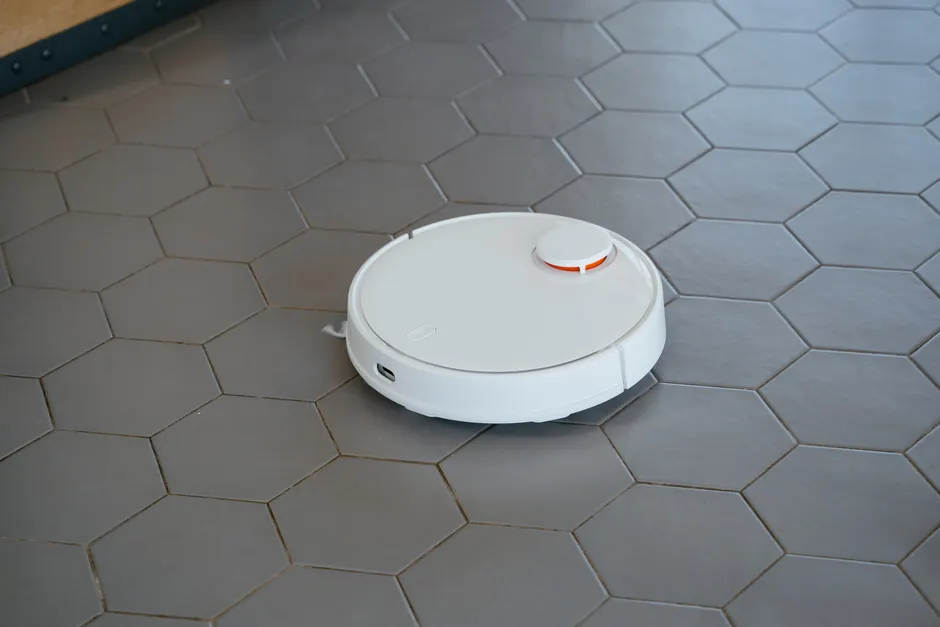
The Federal Communications Commission said Matic Robots can keep selling two specific products in the U.S., the Robotic Floor Cleaner Model 4MA0001 and the Charging Dock Model 4DK0008. The decision came on October 2, 2026. It lets those products be imported, advertised and sold. The Verge
The decision is written in FCC paper DA-26-1063, released October 2, 2026. It came from the Public Safety and Homeland Security Bureau. The two models are now on the FCC list for conditional approvals, where the agency says it will list approved advanced robots and power inverters. FCC
The approval is narrow. It covers only those two model numbers, not the whole Matic brand. That is different from Asus and Netgear routers, which received broader brand-level treatment.
The hardware plan is simple. Matic builds the robots in Mountain View, California. The robots use a ready-made Intel AX210 chip for Wi-Fi and Bluetooth. That chip already has its own FCC approval, so the radio part is approved separately from the rest of the robot.
Growth explains why the timing matters. CEO Mehul Nariyawala said Matic went from shipping 1,500 robots a year ago to 17,000 now. The company turned its 24,000-square-foot building in Mountain View into a factory and moved its office to Menlo Park. With that growth, keeping approval matters for shipments, stock planning and store supply.
The broader context here is common with connected products. Think of this approval like a permit tied to one exact license plate. It makes review simpler for the regulator, but it locks the parts list for the company. A change to the radio wiring, antenna or outer shell that affects signals can mean a new filing. The ready-made AX210 still must be tested inside the finished robot, but it leaves fewer unknowns and faster fixes when time is short.
Looking at what this means in practice, the pattern is clear. Set the radio design early. Keep the model number as a firm boundary. Split office and factory when volume grows. For business buyers, that care with approvals, factory location and parts lowers risk, even if it slows design changes.
In my view, the hopeful part is about running the business, not the law. Shipments up more than ten times, plus U.S. assembly and a common radio chip, show a company learning the slow work of building hardware. Worth flagging is the trade that follows. This kind of approval keeps the product for sale, but it freezes the design. The next model must go through the same gate.


