Why Your Alexa Might Get Stuck Singing 'Lalala'

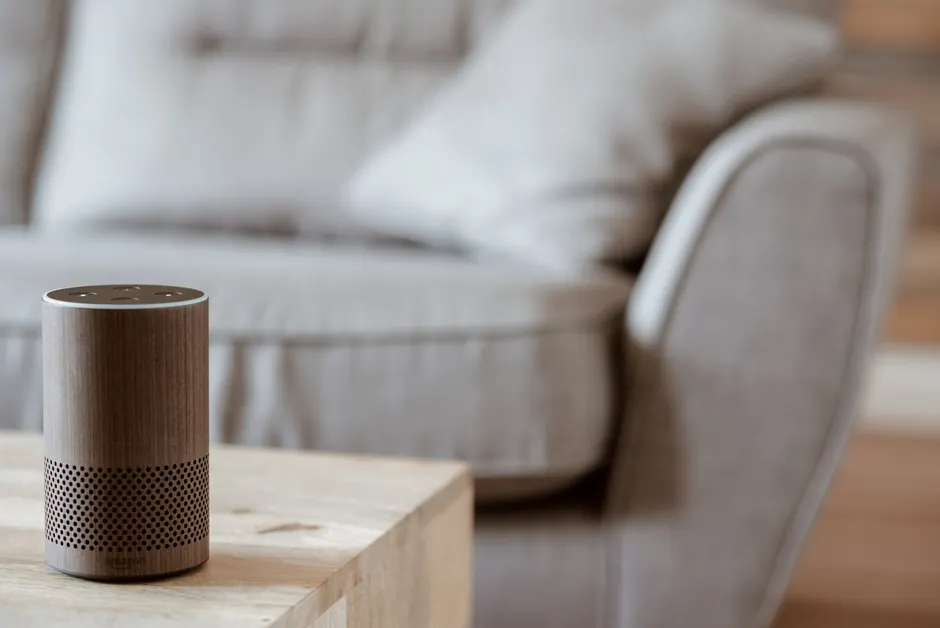
Some Amazon Echo speakers with Alexa Plus are cutting into conversations to repeat or sing "lalala" for minutes. The loop starts for no clear reason and stops by itself.
The failures often happen in the middle of a talk with the speaker, according to reports detailed by The Verge. When users ask what it was doing, Alexa acts as if nothing happened. The chat part of the system keeps no dependable record of the speech error underneath.
People have reported the problem repeatedly on Reddit in recent weeks, across several types of Echo speaker. Multiple users posted videos of the "lalala" repeat. The clips show the same pattern. A normal question and answer gives way to a looped sound that runs until the device drops out of it on its own.
Amazon told Android Authority the bug affects a small number of Alexa Plus users and a fix is in the works, as cited in the same Verge reporting. The company has not explained the cause. The reported scope stays narrow, but even a small share matters when speakers sit in living rooms and kitchens.
Alexa Plus is the newer, smarter Alexa that writes answers in its own words using generative AI, announced and shown at an event in New York, according to TechCrunch. Amazon later brought out new devices tuned for home security and its AI-powered Alexa+, according to Reuters. Alexa+ was made available to everyone in the U.S. after Amazon fixed bugs and listened to early feedback, TechCrunch reported. Before launch, some early testers said Alexa+ talked too much. It had early problems linked to the AI systems behind it, TechCrunch reported.
The broader context here is a change in how Alexa works. Think of the old Alexa like a jukebox with fixed songs. It heard a command and played a set answer. Alexa Plus writes fresh language, remembers earlier parts of the talk, and turns text into speech on the fly. That handles vague requests, follow-ups, and messy household questions better. It also allows new mistakes that are hard to catch in testing, including fluent nonsense, repeat loops, and confident unawareness after.
In my view, the silly sound is not the main point. It is the mix of a long loop, a mid-talk start, and memory loss. One wrong answer is easy to try again. A minutes-long loop the assistant cannot later describe breaks the basic promise of voice control. Stop, cancel, and direct questions should end it and explain it. Here they appear to do neither reliably.
When it comes to fixing it, the repair will matter less than spotting it faster next time. Voice is a trust surface in the home. I watched my own children, now grown, go from shouting orders at a speaker to expecting the room to simply understand. That expectation raises the bar. Simple checks on repetition, both on Amazon's side and on the speaker itself, plus a clear backup reply, cost little compared with letting a loop run at home.
Worth flagging is that this kind of bug looks small in company counts and large in memory. People forgive a missed timer. They remember a speaker chanting for minutes. If Amazon ends the loop quickly and keeps the public version steady, the long arc still points to more helpful home assistants. We have seen rough early versions improve before.