Why Your Water Company Wants You to Save Water—And What Might Actually Work
UK water companies are asking households to use less water as summer 2026 approaches and supplies come under pressure.
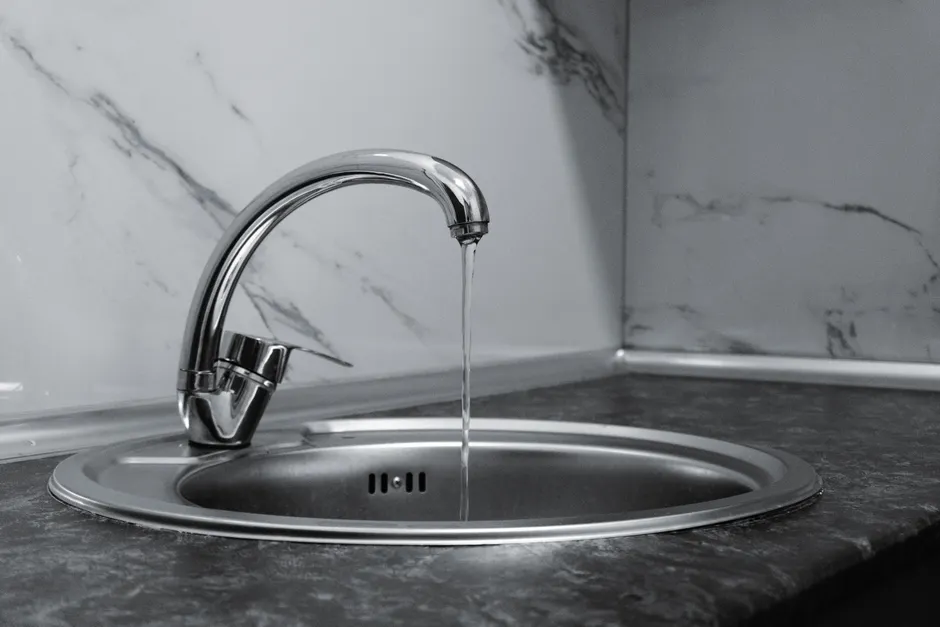
The push centers on the "Water's Worth Saving" campaign, launched by Water UK in 2022. It's straightforward: take shorter showers, fix dripping taps, use a watering can instead of a hose. The goal is not just to cut back during dry spells. The industry wants to change how households think about water—permanently.
This effort has grown more organized. Water Saving Week 2025, held in May, coordinated messaging across councils and water companies at the same time, rather than each running its own isolated campaign.
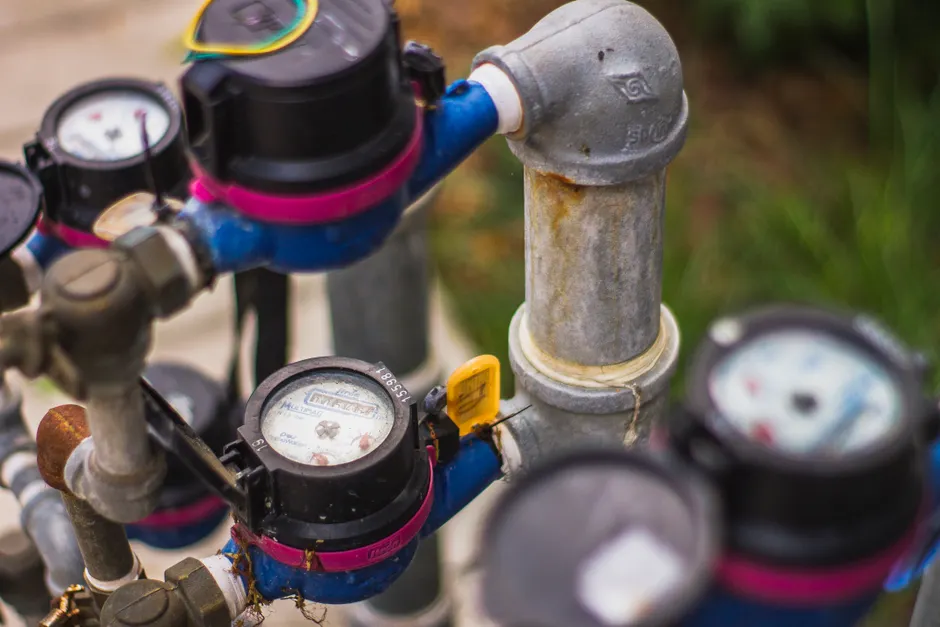
The real difference may come from smart meters. Wessex Water plans to install smart meters at every home it supplies by 2035. These meters show you exactly how much water you are using, hour by hour. When people can see their own usage, they cut back more than any advert can convince them to. It works like a diet app for water: the feedback loop—watching the numbers—changes behaviour in ways that asking nicely often does not.
Water companies are also listening to customers. Wessex Water funds conservation projects and runs a Young People's Panel that feeds community ideas into company decisions. The logic is simple: conservation rules are easier to enforce when people feel they had a voice beforehand.
Why does this matter now? England uses a lot of water per person—more than most other European countries. Water pipes leak roughly three billion litres every single day. More people are moving to the south and south-east, where water is already stretched thin. Building new water sources is slow and expensive. Using less is faster and cheaper.
There is one big problem. Asking families to save water while water companies lose billions of litres through leaky pipes feels unfair—and it may undermine trust. The regulator, Ofwat, has set tougher leak-reduction targets and can fine companies that miss them. The question is whether fines will actually force companies to fix their leaks, or whether some will simply accept the penalty and carry on. If the regulator can prove it will hold companies accountable, the conservation ask sounds fair. If not, people will rightly ask: why are you asking us to save when you can't even fix your own pipes?
Right now, the campaign is running. Whether it gets ahead of real policy change—or trails behind it—is still unclear.