What You Need to Know About Trump's Lawsuit Case Going to the Supreme Court
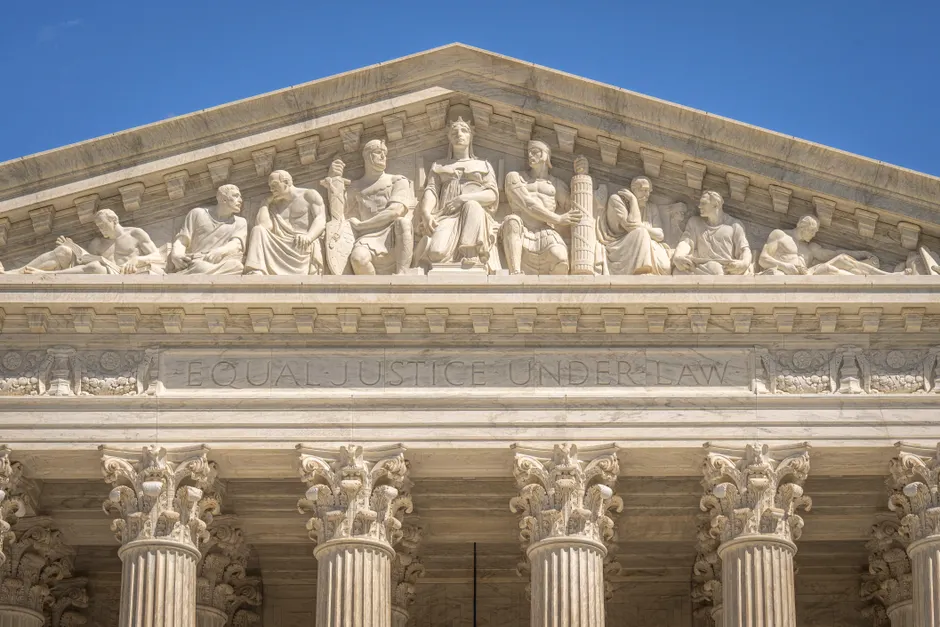
The Supreme Court is deciding whether to hear Donald Trump's challenge to an $83.3 million judgment that he owes to E. Jean Carroll. The Court will privately vote on the case on February 20, 2026.
Here's the background. In May 2023, a jury in New York found Trump liable for two things: sexually abusing Carroll and then publicly insulting her to try to damage her reputation (that's called defamation). A federal appeals court looked at the case again in September 2025 and agreed with the jury — both on what Trump did and on the $83.3 million amount she should receive. Now Trump is asking the Supreme Court to overturn that decision.
The Supreme Court receives thousands of requests each year from people who want it to hear their cases. The justices only accept cases they think involve important questions of law. When they meet in private to decide, they need four votes to agree to take a case. If they say no, the appeals court decision stands and Carroll gets the money. If they say yes, the full Supreme Court will hear arguments and decide the case themselves.
Trump's argument almost certainly centers on free speech. He likely says that when he publicly denied Carroll's allegations, he was exercising his First Amendment right to speak on a matter of public concern. This goes back to a famous 1964 Supreme Court case, New York Times v. Sullivan, that made it harder for public figures to win defamation lawsuits. Carroll's lawyers will counter that Trump's statements were false statements of fact, and that false statements do not get First Amendment protection.
$83.3 million is an enormous amount. It ranks as one of the biggest defamation judgments against any person in American history. What makes it unusual is that it survived the appeals process intact — most big damage awards get reduced or thrown out when higher courts review them. The case has drawn attention from media organizations and free-speech groups, some worried that allowing such large judgments could discourage people from speaking freely, others saying that people should still face consequences for provably false claims.
One more thing matters here. Trump became president again in January 2025. When the Supreme Court handles a case involving the sitting president as a defendant, it draws attention from everyone watching how the Court works. The Court has dealt with Trump cases before — like when it ruled on his immunity claim in 2024 — and people across the political spectrum will watch closely to see how this one unfolds.
As of late June 2026, the Supreme Court has not yet said whether it will take the case. It may take weeks or months for a decision. Until then, the $83.3 million judgment is technically still in effect, though there may be legal disputes over whether Trump has to pay it right away.


