Stocks Hit New Highs, but Many Stocks Are Left Behind
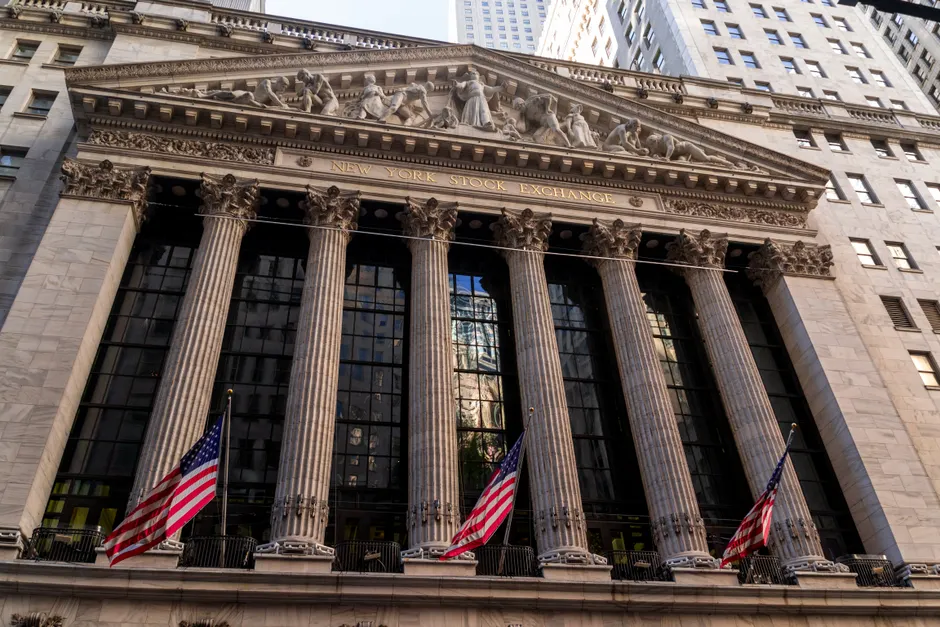
Two of the three main U.S. stock measures closed at record highs on October 6, 2026.
The S&P 500, which tracks about 500 large U.S. companies, rose 44.98 points, or 0.58%, to end at 7818.93. That was its 28th record close of 2026. In rounded numbers, it was up 0.6% to 7819. Wall Street Journal Wall Street Journal
The tech-heavy Nasdaq Composite added 122.48 points that day. MarketWatch Many stocks did not join in. The S&P 500 had 23 stocks at new highs for the year and 2 at new lows. The Nasdaq had 61 new highs and 182 new lows. Reuters
October 6 followed two record-setting days. On October 5, U.S. stocks rose and the S&P 500 hit a record high, while the Nasdaq was on track for a second record in a row. Wall Street Journal On October 4, the Nasdaq hit a record while the dollar and interest rates on government bonds rose and oil prices fell. Reuters
On October 1, stocks moved a little higher to start the month while oil prices rose. The interest rate on the 10-year government bond fell back from a 24-year high that day.
The same mix has been around for months. On July 22, bond rates moved higher along with oil prices, with the 10-year rate near its high for 2026. Stocks kept climbing even as borrowing costs rose. The S&P 500 closed above 7,000 for the first time earlier in the year, and the Nasdaq rose 2.3% to 27122.09 for its highest close on record as reported in September 21 coverage.
The broader context here is that a few big winners are pulling the averages up, like a class average lifted by a few top test scores. A 28th record with only 23 new highs on the S&P 500 means larger companies are doing most of the work. The Nasdaq split of 61 new highs and 182 new lows on a day it rose more than 100 points means the index rose while many ordinary stocks hit fresh lows.
Looking at what this means for positioning, the overall index, single stocks, and borrowing costs are moving in different ways. When records come with higher long-term rates, a strong dollar, and steady or rising oil, higher costs for borrowers and businesses are already baked into prices. For people managing money, that puts more weight on strong finances, the power to raise prices, and protection against drops, because a strong index can hide weakness underneath.


