Hospital Software That Flags Patients Who May Need a Closer Look Raises $38 Million
Healthleap has raised $38 million to build AI software that reads hospital records and flags patients who may be sick without a clear diagnosis. The financing was detailed in reporting published on Oct. 7, 2026. TechCrunch
The money came in two rounds. The $8 million seed round was co-led by Sequoia Capital and First Round Capital. The $30 million Series A was led by Hummingbird Ventures. Healthleap is not disclosing its valuation.
Healthleap was founded in South Africa in 2022 by siblings Jemima and Josiah Meyer. Josiah Meyer serves as chief executive and co-founder.
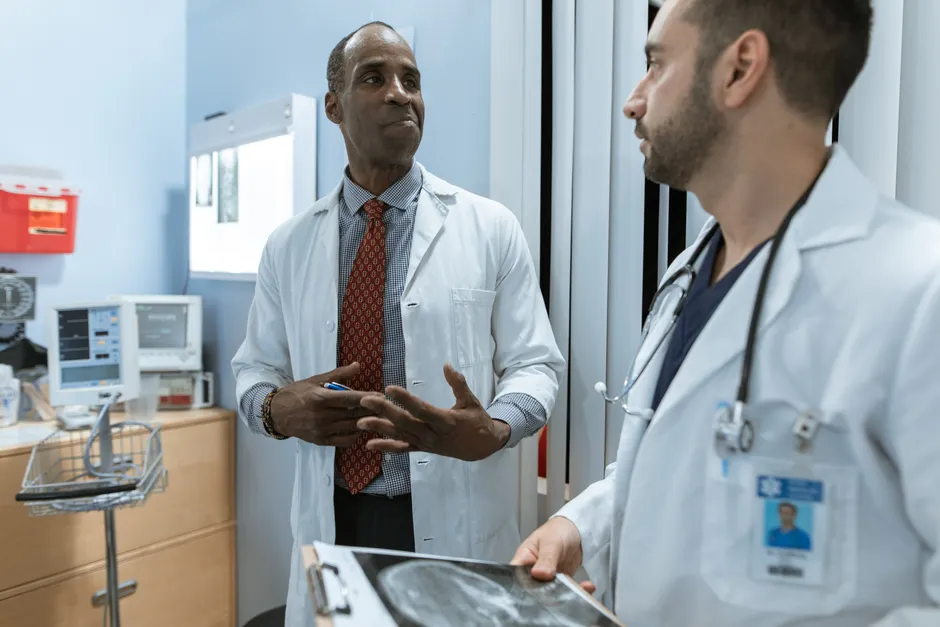
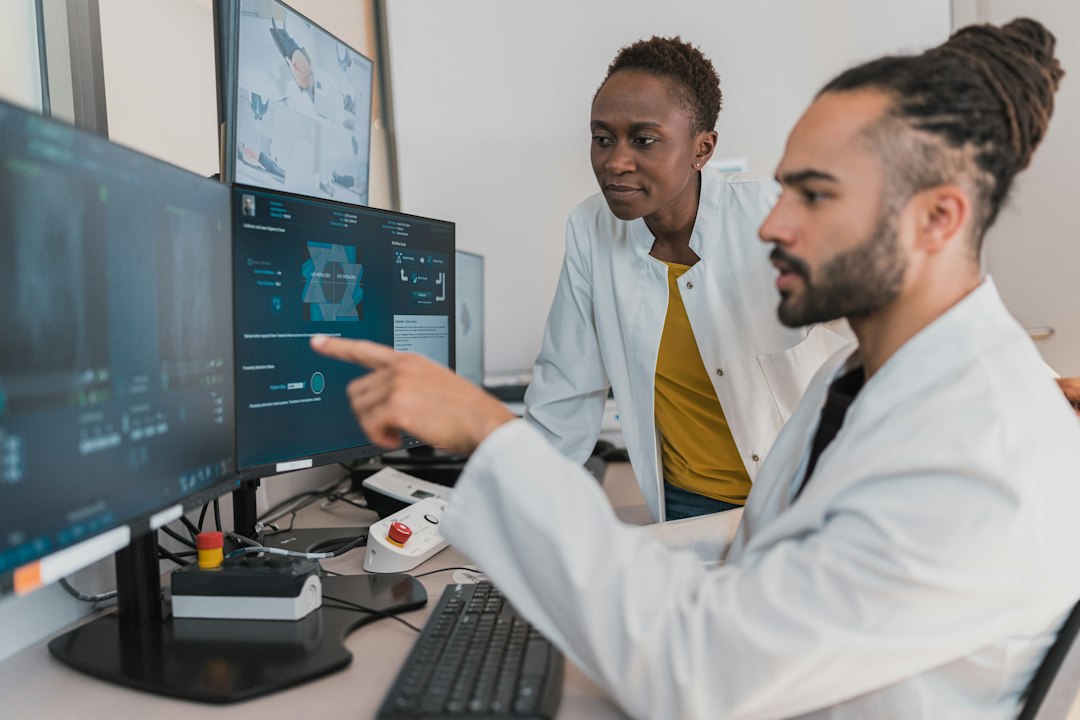
The software plugs into a hospital's electronic health record system, the main computer file for each patient. It reads doctors' written notes as well as simple facts like test results. Think of it as a second set of eyes that points staff to charts worth rechecking.
Healthleap states its software does not diagnose patients. It only points out cases for extra review. Right now it checks for malnutrition and delirium. It is now used in more than 50 hospitals for those two problems.
The company grew from three hospital partners to more than 50 over the past year. Named customers include Penn Medicine, Cedars-Sinai, Intermountain, Houston Methodist and Emory Healthcare. Revenue grew more than 10x over the same period. TechCrunch
Healthleap sells three-year contracts priced according to a hospital's licensed bed count.
The broader context here is how it fits into hospital work. It runs inside the system staff already use and it stops at flagging. That leaves decisions with doctors and nurses. Starting with only two conditions also makes it easier to check if it is working across different hospitals.
In my view, the way it is sold matters too. Three-year deals priced by bed count make costs easy to plan. Hospitals do not pay for each check. If hospitals keep using it at more than 50 sites, adding more conditions is mostly about testing, not new setup. I have seen my own children learn new tools fast, while hospitals move only with proof. Healthleap is betting on that careful path.
Looking ahead, the gain is simple. More patients get a second look during busy shifts, and specialist time goes where it may help most. In hospitals, simple tools that keep working day to day tend to last.