ChatGPT's New Update Makes Answers More Visual and Faster

OpenAI is bringing its new GPT-6 system to ChatGPT worldwide, along with more visual and interactive answers.
The rollout started on October 7, 2026, and continued into October 8 across all ChatGPT plans. Paid plans including Plus, Pro, Business and Enterprise were first globally, with Free and Go accounts scheduled to follow on rollout day Engadget. OpenAI described the release as GPT-6 for all ChatGPT users, with faster responses and visual, interactive experiences OpenAI.
Paid users get one version called GPT-6 Sol. Free and Go users get GPT-6 Luna. Luna is less capable than Sol. According to API documentation, Sol is meant to balance smarts and cost, while Luna is for high-volume work where low cost matters most.
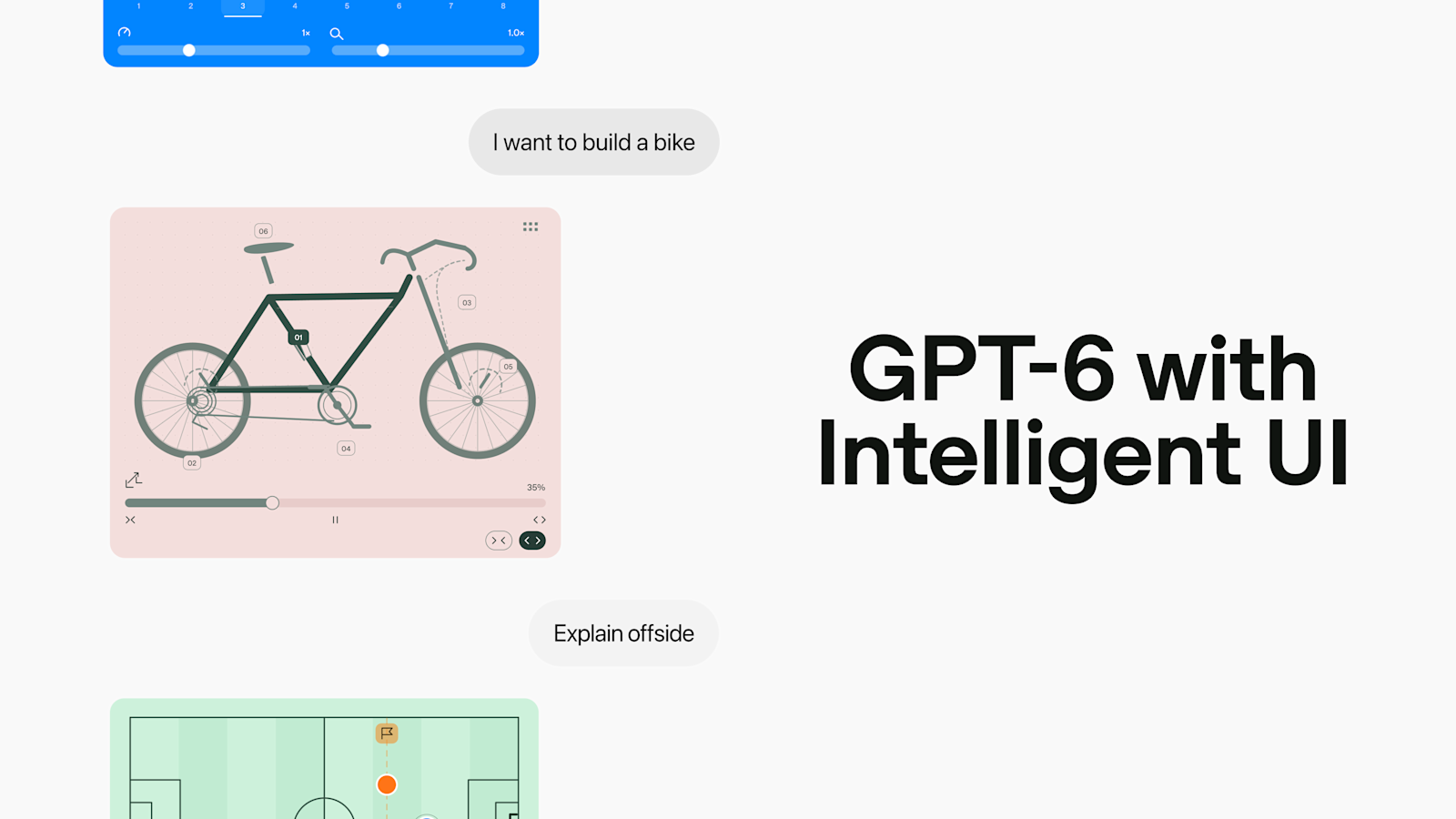
The main change is a system called Intelligent UI. Instead of answers made only of text, ChatGPT can now build simple interactive screens, like a small app page. That can include pictures, buttons you can tap, forms and charts. It can mix text and visuals to fit the question, such as side-by-side comparisons, diagrams and tools. Plain text is still an option, and the model can stick to text when that makes more sense.
GPT-6 can also start answering while it is still working through a hard problem, which shortens the wait. In ChatGPT, users can choose how much the model thinks before it answers OpenAI Help Center. A quick setting gives a faster reply. A deeper setting gives it more time to work.
OpenAI said it would add Sol and Luna gradually through the day to keep the service stable. That is normal practice for a large update. It replaces server capacity in stages to avoid overload when many people try the new features at once.
A related model will not ship. OpenAI shelved GPT-6.1 Astra, which had been planned for October, after internal safety tests raised concerns Reuters. Astra is not part of this ChatGPT rollout. Sol and Luna are the models being released.
The broader context here is a shift in who builds the interface. Chatbots have long produced text, code and images. Now the model itself decides on layout and controls, rather than using fixed templates around its answer. That brings new practical questions about getting consistent results, access for people with disabilities, checking information entered in AI-made forms, and testing answers that can look different each time.
In my view, worth flagging is how fast this will feel normal. My children never met a blank command line, so they expect software to show rather than tell. Buttons, charts and tools fit that habit and cut out the copy-paste step between answer and action. Over time, that means less work turning machine output into something useful.