Why a Tutoring Center Roof Collapsed in Pakistan, Killing 14 Children
Why a Tutoring Center Roof Collapsed in Pakistan, Killing 14 Children
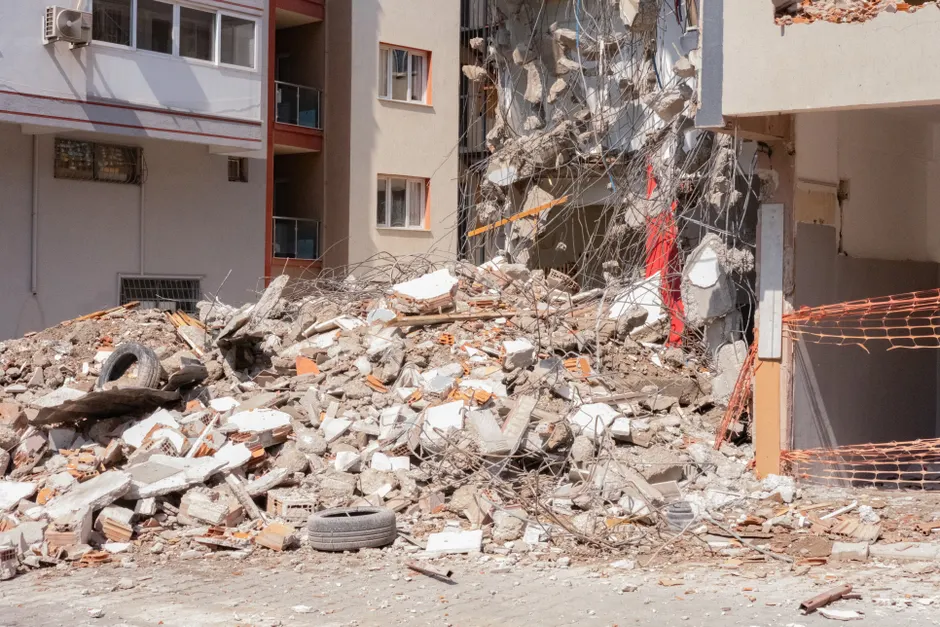
At least 14 children died on June 30, 2026, when the roof of a private tutoring center in Lahore, Pakistan collapsed during class. The children, aged 4 to 12, were buried under rubble. Five others, including a teacher, were injured, according to AP News and The Straits Times.
Where the Center Stood and Why It Failed
The building was in Kahna, a neighborhood in Lahore — Pakistan's second-largest city with roughly 14 million people. Police confirmed the collapse happened at a tutoring center where the roof simply gave way.
In Pakistan, private tutoring centers like this one often operate with minimal oversight. Many are run out of converted houses or old buildings that were never inspected for safety. The structures themselves are often decades old and weren't built to modern safety standards. No one regularly checks whether these buildings are safe, and the owners have few legal obligations to maintain them properly.
Pakistan's monsoon rains, which run from late June through August, add strain to aging roofs — especially flat roofs where water pools up instead of draining away. Over time, this weight and moisture damage weaken the building's supports.
Why These Centers Exist
Lahore's public schools are underfunded and often overcrowded. Many families hire private tutors or send their children to tutoring centers to get extra help with their studies. These centers fill a real need, but because they're not registered as formal schools, they exist in a legal gray zone. No government agency claims clear responsibility for inspecting them or enforcing building codes. The result: centers operate in unsafe spaces.
A Pattern That Repeats
This isn't an isolated incident. Pakistan has seen factory collapses, garment-warehouse failures, and other building collapses in major cities before. Each time, investigations point to the same problems: cheap materials, illegal modifications that weaken the structure, or buildings where maintenance was delayed or skipped. Each time, there's talk of new rules or enforcement. But prosecutions are rare, and real change has been slow.
The political and economic ties between local governments, property owners, and developers have made it hard to hold people accountable. Cities depend on revenue from property taxes and permits, which can create pressure to look the other way.
What Happens Next
As of June 30, Punjab's provincial government and federal authorities had not issued formal statements. In past collapses like this, investigations happen and sometimes officials file charges against building owners. But convictions are uncommon.
The broader context here is straightforward: tutoring centers occupy a gap in Pakistan's regulatory system. Registered private schools face some inspection requirements. But small tutoring centers fall between the cracks — neither the education department nor the city government fully claims them as their responsibility. That ambiguity has cost lives before. This collapse shows it can again.


