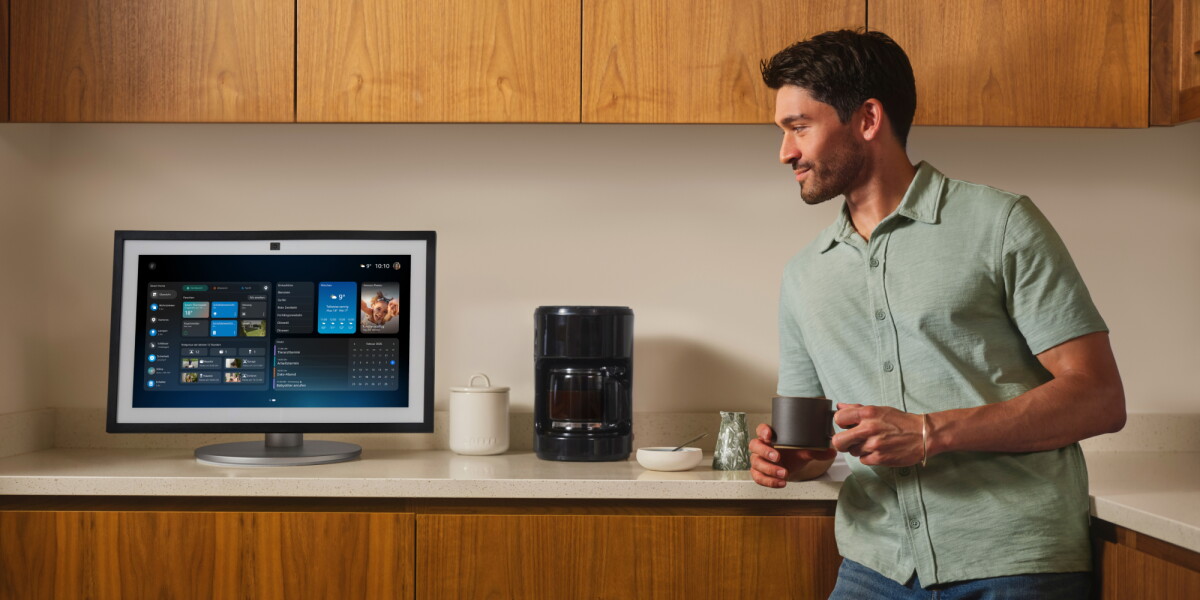
Amazon's Fire Tablets Are Now Alexa Tablets. Here's What Changed

Amazon has dropped the Fire name for tablets. The new line is called Alexa Tablet. Panos Panay, Senior Vice President of Devices and Alexa, confirmed the change. Engadget
Panay said this is the first Amazon hardware product to use Alexa as its brand name. Fire meant an affordable tablet. Alexa means a tablet built around the assistant.
A new name and design effort
Design is led by Ralf Groene, who leads design for Amazon Devices & Services. He is building a design plan called Neo. Panay shared no details on materials, size, or screen controls. He said Neo is for many products, not one tablet.
When asked if more products will use the Alexa name, Panay said "No, it's just when it makes sense" and added "not that you've seen." That leaves room for more without promising it. It means selective renaming, not a full change.
Panay said he will be back later this month to share more about the Echo speakers and displays brand and Neo. Tablets come first. Echo details come next.
Panay called Neo a "structure of how we're moving information" so customers can get back to it depending on where they are. The idea is simple. Information stays. The device changes.
How it fits with Alexa+
This links to Alexa+. Amazon introduced Alexa+ as the next version of Alexa, powered by generative AI that can talk, summarize, and do tasks. About Amazon Amazon covered it at a 2025 Devices & Services event with the new Alexa+. About Amazon
Amazon announced Echo Dot Max and Echo Studio built for Alexa+. About Amazon They use special Amazon chips and Omnisense, a system that joins sound, motion, and closeness signals. Amazon also announced a new Fire TV lineup with Alexa+. About Amazon
The pieces work together in this order. Chips do work on the device itself. Omnisense senses presence. Alexa+ handles talk and tasks. The tablet adds touch and easy carrying to voice speakers and TV.
The broader context here is ease of use. One Alexa name across many screens gives app makers shared tools for history and alerts. In my view, Neo must prove itself in daily life. It should be fast, easy to read, smooth between voice and touch, and clear on privacy.
Looking further ahead, there is quiet reason for hope. Past shifts from desktops to browsers to phones to voice seemed small at first. The real gain came when information followed the person. If Neo works as described, tablets, speakers, and TV work like different windows into the same room.