Apple Has a Smart Home Event on Oct. 13 — Here's What to Know

Apple will hold an event in New York on October 13 at 9AM ET. The invite says "Welcome home" The Verge.
Apple plans to use the event for a push into smart-home products Reuters. The focus is new hardware for the home, not a phone or TV software update.
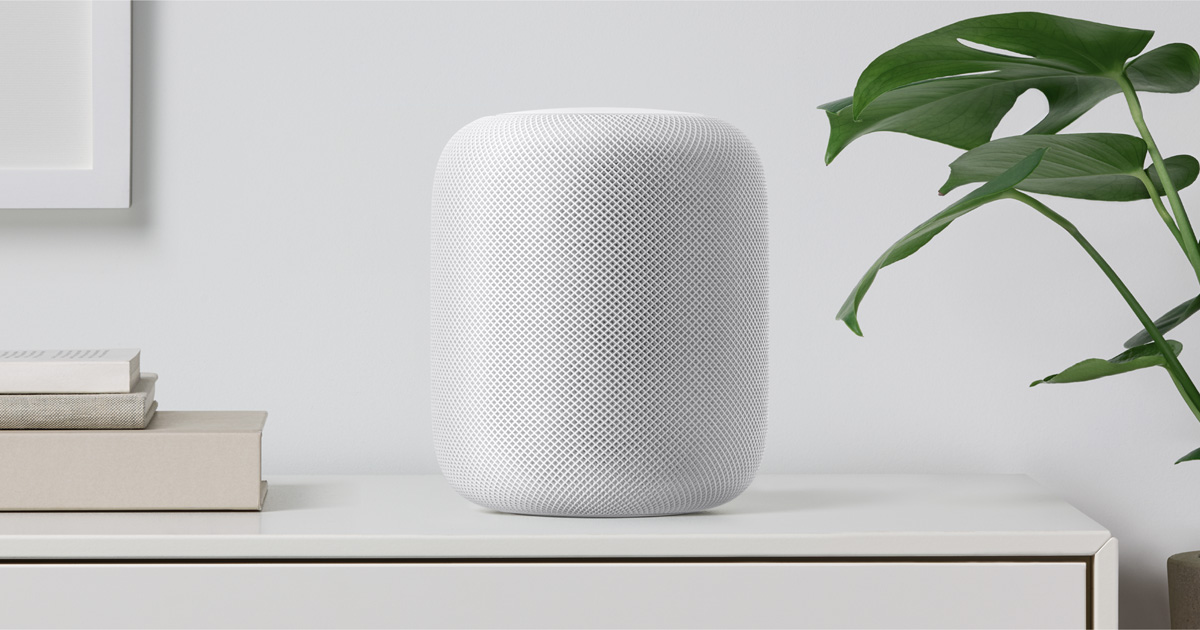
Two products are expected. Apple plans to show a home hub with a screen and a new HomePod mini at the event 9to5Mac. The hub project is called J490 inside Apple Reuters.
Few details are confirmed. Verified reports include no specs, prices, or release dates. The event is in New York, separate from Apple's usual California launches.
Looking at what this means in everyday terms, the plan is like a family calendar on the wall with small helpers in each room. One main screen stays in a shared spot. Cheaper speakers go in other rooms for voice commands, sound, and sensing which room you are in.
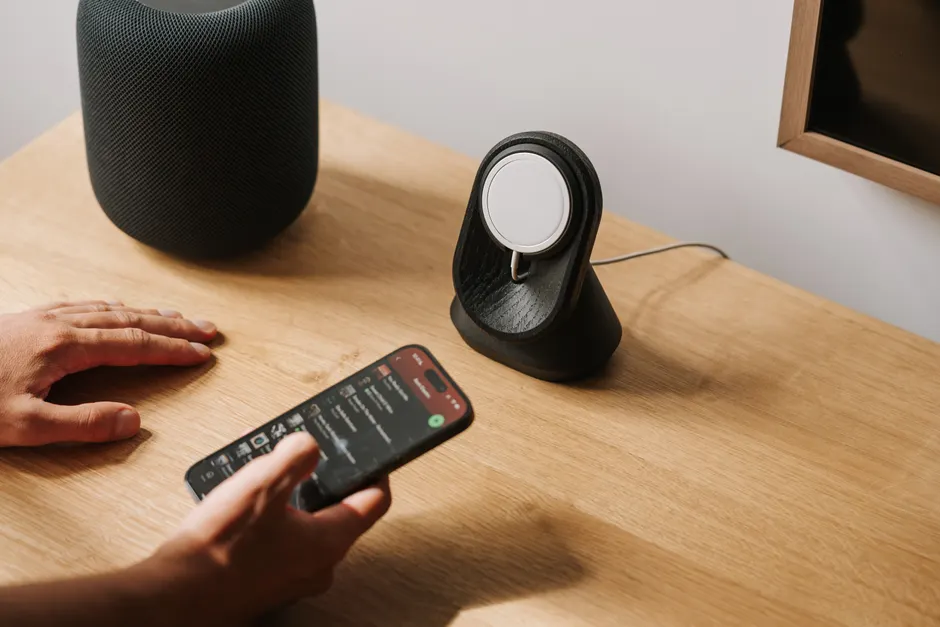
A shared screen means no one needs a personal phone to adjust heating, check a camera, or manage door access. Speakers help by putting microphones and answers where people actually are.
The hard parts are practical. Will commands work without the internet. How fast voice answers feel. What happens when Wi-Fi drops. How one device handles several people in one house. Whether it works with other brands and wireless types. How an always-on screen handles power and heat in a kitchen or hallway.
In my view, the real test will not be the demo. It will be setup flow. Handling multiple users. Behavior when broadband fails. How often it gets updates and for how many years. How other devices and routines can connect. What data stays on the device and what choices users have.
Worth flagging for stores and installers is daily upkeep. Screens get mounted, unplugged, reset, and passed between users. Remote help tools, staff roles, and a clean reset matter as much as design. A new mini, if used as a room helper, will succeed or fail on fast setup and steady behavior in many rooms.
The broader context here is friction. Smart-home gear works in demos. It struggles in shared homes, rentals, and houses with mixed brands. A company that makes it simpler wins a spot in busy rooms. That spot decides which features get used daily and which get turned off after a week.
Looking ahead, if Apple gets the setup right, daily life gets simpler. Fewer apps to open. Fewer routines to fix by hand. More background control that families trust enough to leave on.