Why South Africa's Anti-Immigration Deadline Became a Major Crisis
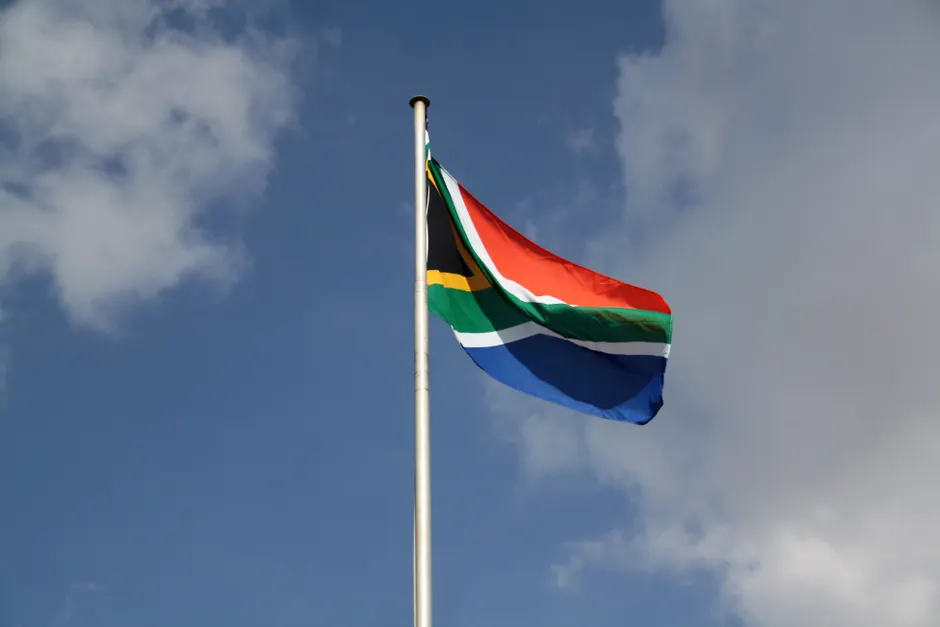
Anti-immigration groups in South Africa told foreign workers to leave by June 30, 2026. The government said this deadline had no legal meaning — but deployed police anyway, preparing for what could have turned violent.
Thousands of migrants left South Africa before the June 30 date, according to France 24. Protests were planned to happen on that date. Police flooded cities well before June 30 arrived, Al Jazeera reported.
Acting Police Minister Firoz Cachalia asked protesters to march peacefully on June 22. Gauteng Premier Panyaza Lesufi warned that any violence would be shut down. Both made clear: the June 30 deadline was not real and had no government backing.
The Broader Crackdown on Migrants
This deadline did not happen in isolation. South Africa reported that since January 1, 2026, authorities had arrested more than 40,000 undocumented migrants. In just one month before the government announced this number, over 7,400 were arrested, according to SANews.
This was not accidental timing. The government was sending a message to South African voters: we are serious about controlling migration. At the same time, it was trying to tell other countries and migrant communities: we are not abandoning basic fairness or legal process. The government faced a difficult balance between acting tough and not going too far.
Why So Many South Africans Are Angry at Migrants
Anti-immigration groups say migrants are taking jobs and overloading public services — hospitals, schools, housing — the core complaint in South Africa's ongoing debate about immigration, Reuters reported. South Africa has one of the world's highest unemployment rates. When people cannot find work, it is easy for them to believe migrants are the reason.
Economists disagree with this, but the anger is real in neighborhoods where good jobs are scarce. The June 30 deadline changed everything. Instead of a policy debate happening in offices, there was now a date circled on calendars. The government had to respond. Migrants had to make urgent decisions. This made the issue feel urgent and alive in ways ordinary politics does not.
The Shadow of 2008
Government leaders were worried because of something that happened before. In 2008, South Africa saw violent riots targeting foreigners. Many people were killed and tens of thousands were displaced from their homes, Al Jazeera noted. That violence hurt South Africa's reputation internationally and angered neighboring countries whose people were attacked.
The conditions that led to 2008 are still there. South Africa is Africa's strongest economy and attracts migrant workers from across the region. Borders are not tightly controlled. The government agency that processes migrants moves slowly and is understaffed. Unemployment at home is very high. All of this means anti-immigration feeling can spread quickly and gain support. The caution around June 30 was about that specific date, but the real problem is much older and deeper.
What Happens Now
The first question was whether June 30 would stay peaceful and whether police could prevent violence. The bigger question is what the government does next with the ability to arrest and remove migrants that it has built up. Forty thousand arrests since January is a huge operation. Without a real plan—faster deportations, agreements with other countries, better-staffed government agencies—that capacity will simply disappear without solving anything.
One more thing rarely gets discussed in protest arguments: when migrant workers leave, entire industries struggle because they lack workers, communities get disrupted, and neighboring countries watch how their citizens are being treated. These effects do not end on June 30.


