Facebook and Instagram Might Open Straight to Video
Meta is testing opening Facebook and Instagram straight into video.
In India, Facebook is testing opening right into a full-screen video feed that fills the phone. Instagram is testing making Reels, its short videos, the first thing you see on open The Verge.
The Facebook test is only in some places for now. Meta said countries where people already watch a lot of video will get it first, with a possible US rollout in 2027.
The wording here is worth noting, because it means Meta is choosing places by viewing habits, not by how long the app has been there or how much money it makes there.
The Instagram test can be turned on and off. Meta spokesperson Devi Narasimhan confirmed to The Verge that the Reels-first test is live in a handful of countries, which were not named. People in the test can switch back to the old layout. In the test, Reels get sound once you swipe or click into a video.
That sound detail is worth flagging, since it changes how viewing is counted, how much video-with-sound can carry ads, and what counts as watching to the end.
The tests come as Facebook video viewing grows. Time spent watching video rose 9 percent around the world and 10 percent in the US and Canada, as discussed in Meta's recent earnings call The Verge.
The broader pattern is straightforward, the opening screen tends to follow attention, and attention is moving to video.
Meta has tried versions of this start before. In 2024, it put Reels, longer videos and Live together in one fullscreen Facebook experience, then added a full-screen Video tab that gave Reels a bigger home. Instagram tested a TikTok-like full-screen vertical feed in May 2022, almost full-screen videos in June 2022, and very tall 9:16 photos to fit the Reels feed in August 2022. Facebook described a new full-screen video look for some users in July 2026. Reels was announced for Instagram in August 2020 and came to Facebook in more than 150 countries in February 2022.
The broader context here is control of the starting point. It is like turning on a TV that always starts on the same video channel. Social apps must decide what to show and what you see first. That first screen shapes the rest, from early guesses when little is known, to how time is spent, how often people swipe on, and which suggestion system is used first. Starting with Reels favors videos picked from what you watch over posts from people you follow and the newest posts.
In my view, letting people switch back is the telling part. It makes the test cheaper to run and limits complaints, while still giving a clear comparison on staying power, session length, and whether people post more. I have watched my own children skip still start screens and go straight to video, and that habit now looks like the plan. The default is catching up to what the numbers already show.
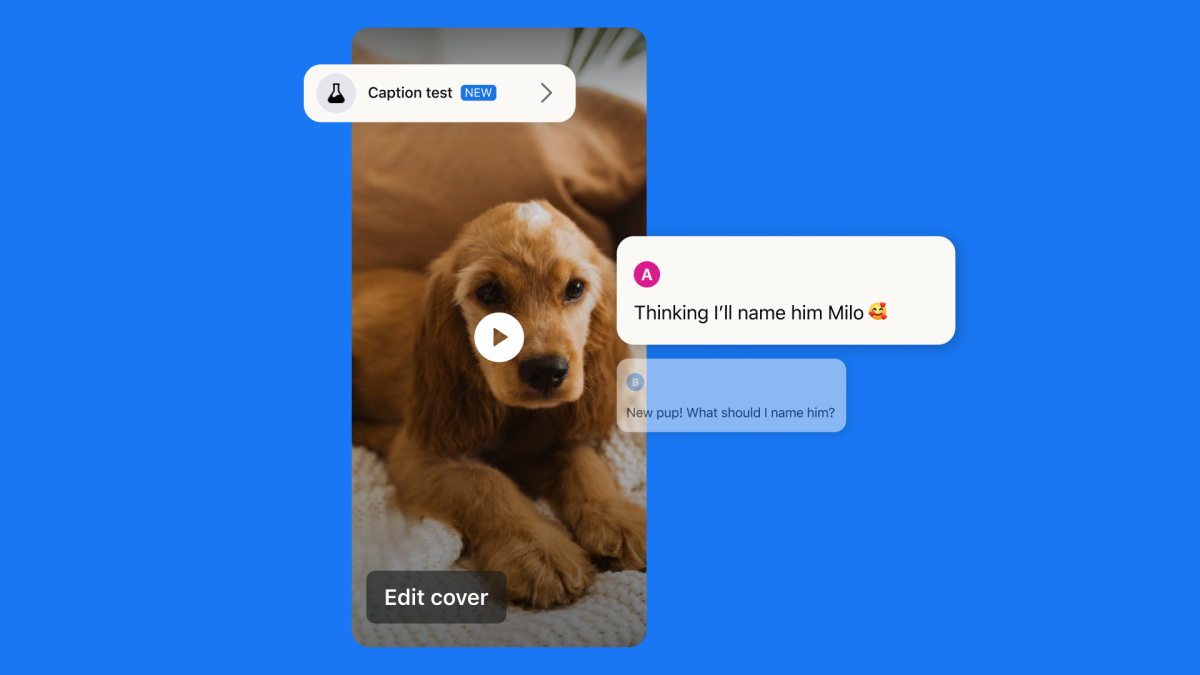
Looking at what this means for builders, a video-first start gathers ads around upright, sound-on clips that fill the screen. That makes design and measuring simpler, for Reels ads up to 30 seconds long tested upright and full-screen, and for 9:16 photos made to work in a video feed. It also makes fast loading more important, from smooth playback to fetching the next clips early and picking fast on open, because freezing at the start loses people. Creators used to feed posts and cover images will need a hook in the first second and a reason to stay to the end.
Looking ahead, the open question is not whether short video has earned that first spot. The numbers lean that way. It is whether people still want separate apps with separate starts, or one long stream of suggested videos under different names. Meta seems ready to learn place by place, starting where video is strongest, which could make finding things faster and posting simpler.