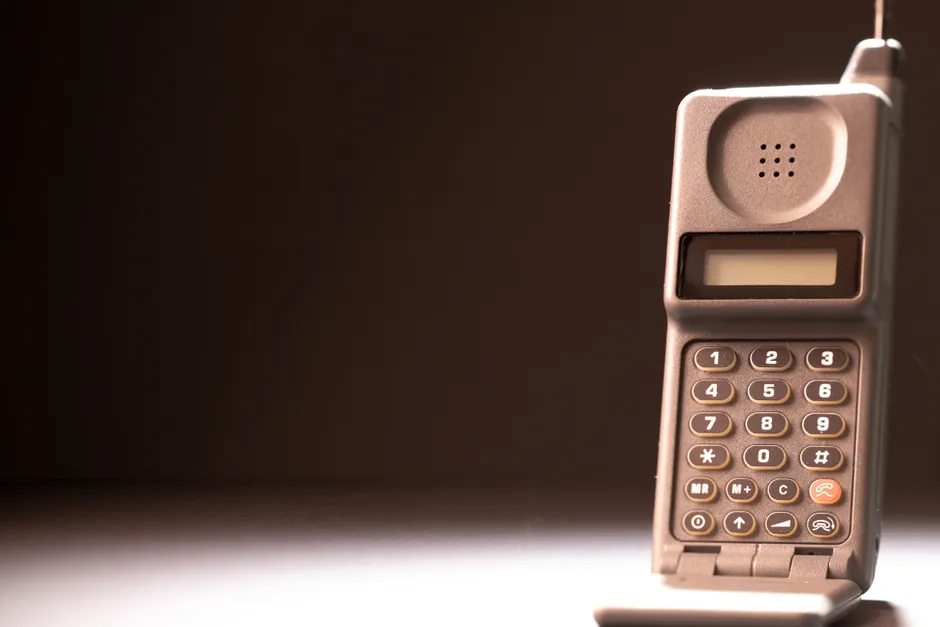
A Smartphone With a Real Keyboard Is Coming Back
A company called Clicks has built a new Android smartphone with a physical QWERTY keyboard built into the phone itself. The device, called the Communicator, is designed for people who type a lot and find touchscreen keyboards frustrating or slow.
Clicks showed off a working model at CES 2026 in January, and TechCrunch tested the early version. The design immediately reminded people of BlackBerry phones, which dominated the market years ago before touchscreen phones took over. That comparison makes sense, because the physical keyboard is exactly what made BlackBerry famous.
Most people know Clicks for something different. The company started by selling a clip-on keyboard accessory for iPhones — essentially a keyboard you could snap onto your existing phone. The Communicator is a much bigger step. This time, the keyboard is built into the phone from the ground up, not an add-on accessory.
The broader context here matters. Physical keyboards on smartphones have been almost completely absent from the mainstream market for over 13 years. Companies have tried to bring them back — BlackBerry itself made an Android phone with a keyboard called the KEYone, and another company made the Fxtec Pro1. Each found a small group of loyal users, but not enough to sustain a large business. The audience for hardware keyboards on phones is real, but it has never been very large. Clicks, which grew out of the keyboard accessory business, likely has a more realistic sense of who wants this and what they will actually pay for it.
The Communicator is marketed as built for people who communicate constantly — people who send lots of emails, text messages, or work in fast-paced jobs where typing on a glass screen feels cumbersome. Whether the device actually delivers on that promise is something you cannot fully judge from a prototype. Early versions of phones shown at trade shows often look and work differently from the final product that ships to stores.
The choice to build it on Android — Google's operating system for phones — is straightforward. Android lets Clicks use all the apps available in Google Play, the app store for Android phones. They do not have to build their own operating system or negotiate complex licensing deals. An Android phone with a keyboard works the same way as any other Android phone: all the apps you normally use will run on it, even if some apps are not optimized for a keyboard instead of touch.
One important detail remains unanswered: the specs and price. The January reports did not confirm what processor the phone uses, how sharp the screen is, how long the battery lasts, or how much it will cost. These details matter enormously. A well-built device at a reasonable price solves a real problem for the right customer. A weak device that costs too much does not.
The Communicator is one of the most serious bets anyone has made recently that physical keyboards still have a market on phones. The real question is not whether the keyboard idea is sound — it is — but whether enough people will actually want to buy one. That will determine whether this turns into a sustainable business or remains a niche experiment.