Intel Is Bringing Back Older Chips to Keep Cheaper PCs Available

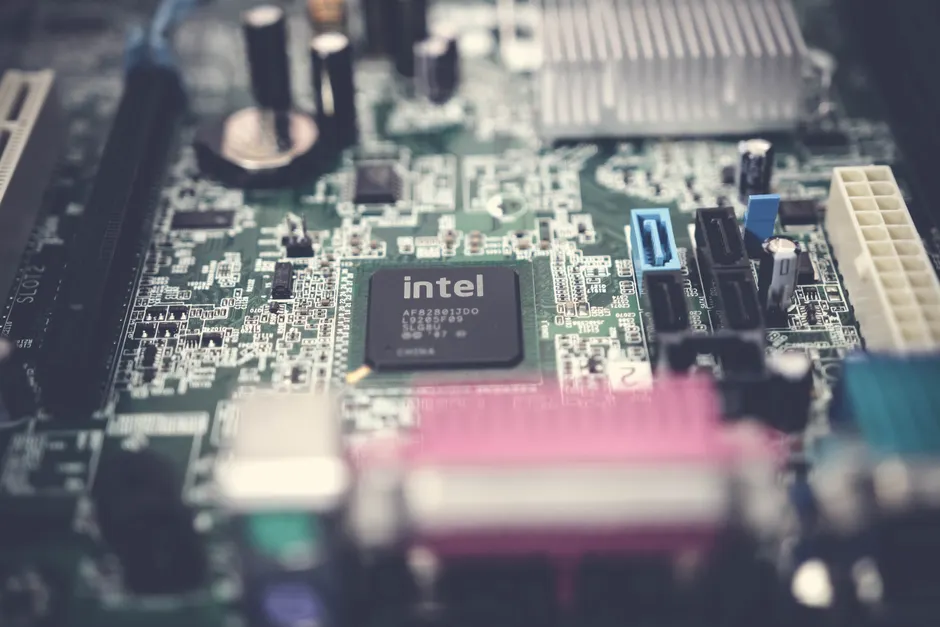
Gigabyte reports that Intel is releasing new processors for its LGA 1700 socket. Engadget
LGA 1700 is the slot on the motherboard where the processor sits. It has been in use since 2021.
It works with two types of memory, DDR4 and DDR5. DDR is the short-term memory a computer uses while it works. Which type is used depends on how the motherboard is wired.
The new chips are expected to be updated versions of two existing families, called Raptor Lake and Alder Lake, set up to use DDR4. They combine faster and more efficient cores on one chip. Their built-in memory control already works with both DDR4 and DDR5, so Intel can reuse the design for DDR4 boards without starting over.
Intel Vice President Robert Hallock said Raptor Lake chips would be sticking around for years to come. He also said LGA 1700 is still a good socket and cited continued interest in DDR4 as a reason Intel will keep offering it.
The timeline under discussion extends into 2027. Tom's Hardware reported that Intel is preparing a return to DDR4 systems with chips called Raptor Lake Next, with the LGA 1700 DDR4 platform slated for the first half of 2027. A separate report describes the same family as Core 200 Raptor Lake Next CPUs launching in 2027 for the LGA-1700 socket, supporting both DDR5 and DDR4 platforms. VideoCardz
Budget-focused Bartlett Lake-S was previously reported as Intel's fourth desktop LGA-1700 CPU series. That earlier reporting shows how many times Intel has already reused this socket for lower-cost desktop computers.
Demand appears to be part of the calculation. Motherboard makers are increasing production of DDR4-based boards using the LGA 1700 socket. Intel says there has been a sudden inrush of demand for LGA 1700 chips due to DDR5 prices. Tom's Hardware
For future sockets, Intel's LGA-1954 socket is intended for Nova Lake and beyond. Intel could offer a minimum of three generations on the LGA-1954 socket. VideoCardz
The broader context here is cost and reuse rather than speed records. For IT buyers and system builders, a familiar socket with mature parts, tested software, and existing DDR4 stock lowers testing cost. Memory can be carried forward. Boards can be retested rather than redesigned. Cooling and power needs stay within known limits.
In my view, this is best read as market segmentation rather than a change in technology plans. Newer sockets will continue with DDR5 and newer connections, while LGA 1700 covers lower-price desktops and replacements where total cost matters more than top speed.
For buyers, the practical question is support. Extended availability does not automatically mean equal features. These DDR4 updates will suit office fleets and budget builds that prize stability and cost per machine. Tasks that need high memory speed or extra expansion will still point to current DDR5 systems. Newer memory is the long-term direction, but installed DDR4 still has considerable useful life.