Paramount and Warner Bros. Joined Up: What Happens Now?
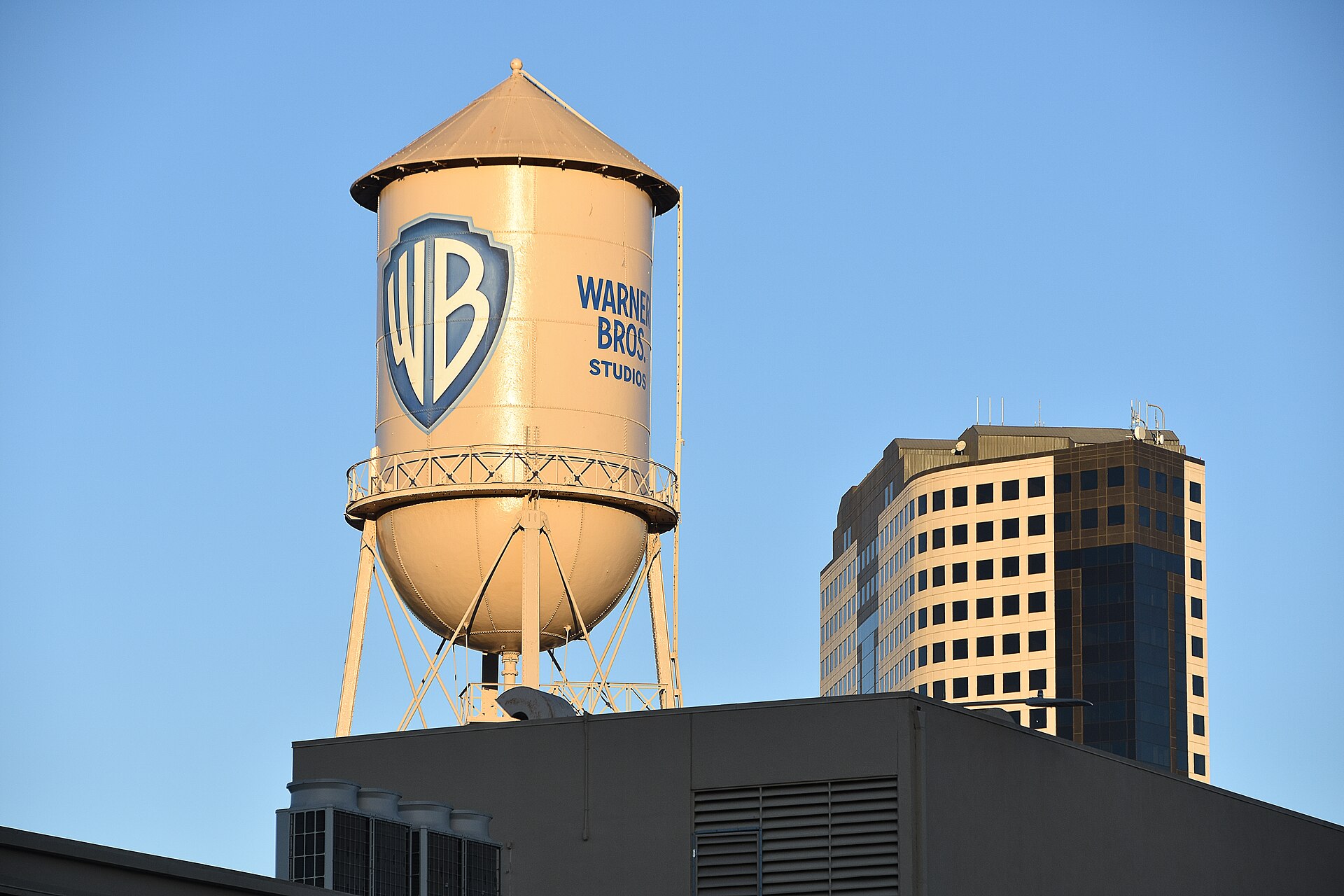
The Verge's Decoder posted an Oct. 10 interview with Business Insider writer Peter Kafka about the Warner Bros. and Paramount merger and the future of the combined company, Skydance. The Verge The talk covers what the deal creates and where the new company goes next.
Paramount bought Warner Bros. Discovery and the deal closed on Oct. 6, 2026. Reuters The combined company is called Skydance. David Ellison is CEO of Paramount Skydance. NPR He owns Skydance and is the son of Oracle CEO Larry Ellison. The Verge
Kafka covers media and technology for Business Insider. Business Insider He is chief correspondent there and hosts a podcast called Channels. He worked earlier at Vox, Recode, AllThingsD and Forbes. Business Insider
Decoder is hosted by The Verge editor-in-chief Nilay Patel and features interviews with innovators and policymakers about business and technology. The Verge It sits with The Vergecast, the site's main daily show about small gadgets, Big Tech and everything in between, with Friday shows hosted by Patel and David Pierce on the week's most important tech news. The Verge
The broader context here is why a movie deal matters for tech. A studio today works like a tech service. It owns shows, rights and known names. It also runs the hidden tools that bring video to you: programs that prepare video, systems that send it out, apps on phones and TVs, logins and payments, and tips on what to watch next. The merger joins the show side at once. It pushes the tool side to join later, like two libraries that must also merge their checkout desks.
In my view, that tech view is the best way to follow this story. The question is basic. What stays, what joins together, what closes. The interview helps because Kafka tracks the business reasons for those choices, not the shows themselves.
Looking at what this means for people who build these services, the focus is on systems, not stars. Owners set goals. Goals shape plans. A new name and a new boss do not by themselves fix tools built apart with different choices and different deals. Joining them is slow. It means picking between steady viewing now and simpler running later.
Worth flagging is the timing. The deal closed on Oct. 6. The Decoder talk came on Oct. 10. That four-day gap puts the talk after the legal deal is done and before daily operations show results. For listeners, the point is not to judge success or failure. It is to know what to watch: leaders, plans for the joined show library, and how Skydance stands next to old Hollywood studios and tech sellers.
The optimistic case, which I hold lightly, is that fewer apps can make things easier. Viewers jump around less. Engineers can spend more time on speed, stability and helping people find shows. That will not happen on its own. It takes careful work, and past media mergers show mixed results. Still, TV tech has long moved toward easier access for more people, even when business was messy.