Apple Is Making the Next Apple TV Easier to Find and Talk To

Apple's next Apple TV 4K will use an A19 chip and ship with a new Siri Remote that has a small speaker to help you find it. MacRumors reported the details on Oct. 11, citing Mark Gurman's Power On newsletter for the chip choice and the finding feature.
The remote change is small. The speaker lets the remote make a sound on command. The report does not say how you start that sound or what software controls it.
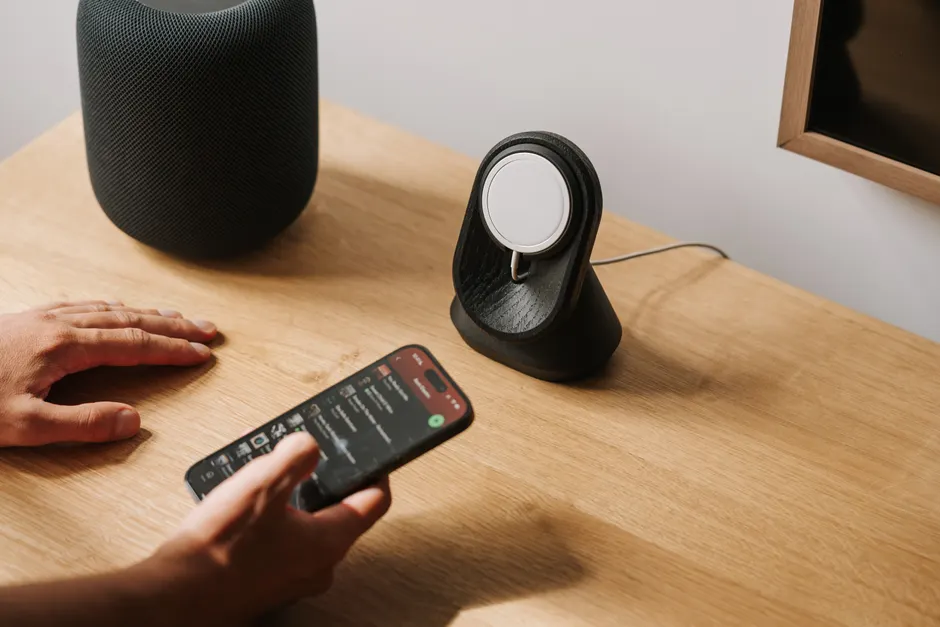
Apple has also tested putting microphones directly in the Apple TV 4K box, so you could talk to Siri without picking up the remote or using a separate HomePod. Testing does not mean it will ship. The report describes tests, not a final product.
The broader context here helps explain why that microphone move is tricky. Talking into a remote is like talking into a phone, close and clear. Talking to a box across the room means it must pick your voice out of TV sound and room noise. That takes more work to focus on your voice, block out the TV, and avoid answering when it should not. A box that plugs into the wall can also stay alert in ways a remote on battery power cannot.
Separate Apple Newsroom listings provide program context around Apple TV, treated here as background rather than primary reporting. One entry dated May 21, 2026 is titled "Apple TV to air first major live pro sports event shot on iPhone 17 Pro." The TV and Home section also lists "Major League Soccer kicks off 2026 season on Apple TV" dated February 19, and "Major League Soccer is coming to Apple TV starting in 2026." dated November 13, 2025.
Looking at what this means for the living room, the three reported pieces point the same way. More computing in the box, sound in the remote, and microphones in the box mean less need for a second device. The remote would no longer be the only way to give commands. The HomePod would no longer need to do the listening. The TV box can work more on its own.
In my view, that independence is the practical benefit for households and app makers. A box that can hear you and do more work itself is simpler to set up and fix. No extra speaker to connect. No lost remote to hunt for. No link between devices to break. In homes with mixed gadgets and spotty Wi-Fi, fewer parts often mean fewer problems.
Looking at implementation, that simplicity still takes careful work. Listening from across the room in front of a loud TV needs fine tuning, and the findable remote needs controls people can find quickly. If Apple ships what it tested, the win will be less hassle, not bigger numbers. That fits a pattern I have watched for decades. Mature products do familiar things with fewer steps. The box hears you. You find the remote. Playback starts.