Texas Startup Wants to Run Data Centers on Sunshine Alone

Ambrosia Energy has started building a large battery factory near Austin, Texas. The batteries will power its own off-grid sites for data centers. Co-founder and CEO Ben Longmier announced the plan on stage at TechCrunch Disrupt in San Francisco on Oct. 14, according to TechCrunch.
The factory will be 150,000 square feet. Ambrosia plans to reach full production in two to three years. At full speed, it said the factory will supply enough batteries to build about one 300-megawatt power plant per year.
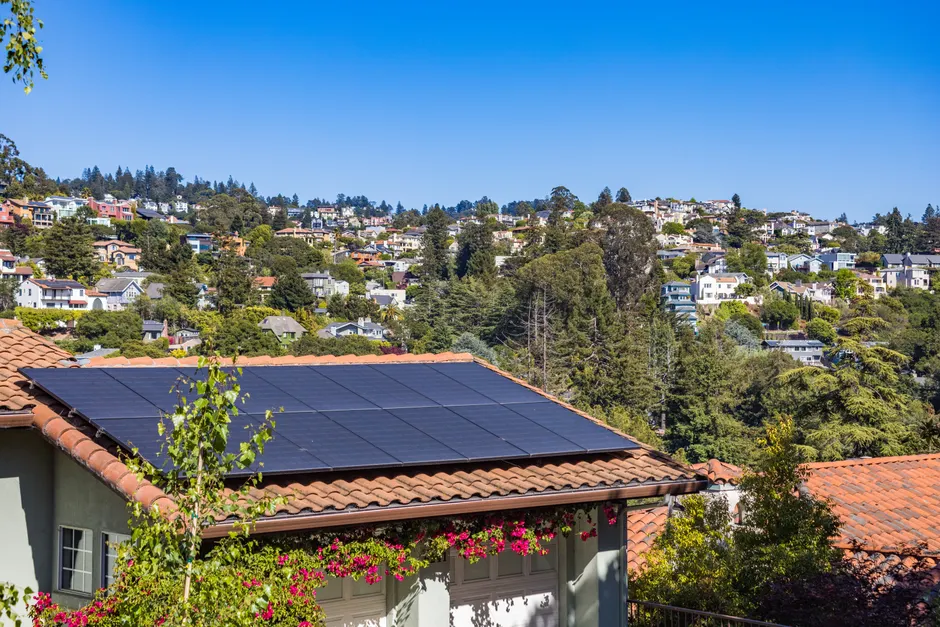
Ambrosia builds power plants that are not connected to the main grid. The company came out of stealth in June with a plan to sell data-center power for $100 per megawatt-hour. Its idea is simple. Solar panels run the site by day, and batteries take over at night and on cloudy days.
Ambrosia will start work on its first full-size plant in West Texas later in 2026. It will pair 300 megawatts of solar panels with 660 megawatt-hours of batteries to provide 30 megawatts of steady power. The company aims to keep the site up and running 99.3% of the time.
Parts of its small test plant have run nonstop for more than 100 days. That test system can make 200 kilowatts of power day and night.
Ambrosia buys basic battery cells from others and builds the finished battery packs itself. The Texas factory grows that work to large volume. The company says it has built a battery system that makes day-and-night storage affordable, according to its blog. It describes itself as building its own complete solar-and-battery plants in West Texas for data centers and factories.
Ambrosia was started by Ben Longmier and Sara Spangelo. They earlier started satellite company Swarm, which they sold to SpaceX.
The broader context here is why Ambrosia builds so much extra solar. Think of it like a cabin that runs only on roof panels and a big backup battery. You add extra panels for dark winter days, and a large battery to get through each night. In that setup, the cells are basic parts. The finished packs, cooling, controls and software matter more.
In my view, the factory is the more telling step. By making packs but not cells, Ambrosia avoids the high cost of cell factories while keeping control of the parts that decide reliability and cost. One factory feeding about one plant per year also gives customers a clear unit of growth, even if each site will differ.
For operators, one number is worth flagging. Up and running 99.3% of the time works for many AI jobs that can save progress and restart. It is not enough for work that must never stop, unless extra backup is added. If the large plant works as hoped, the gain is choice of location. Plants could go where land and sun are cheap, without waiting for a grid hookup, so new power can be added faster.