Why Stocks Fell When Prices Rose Fast

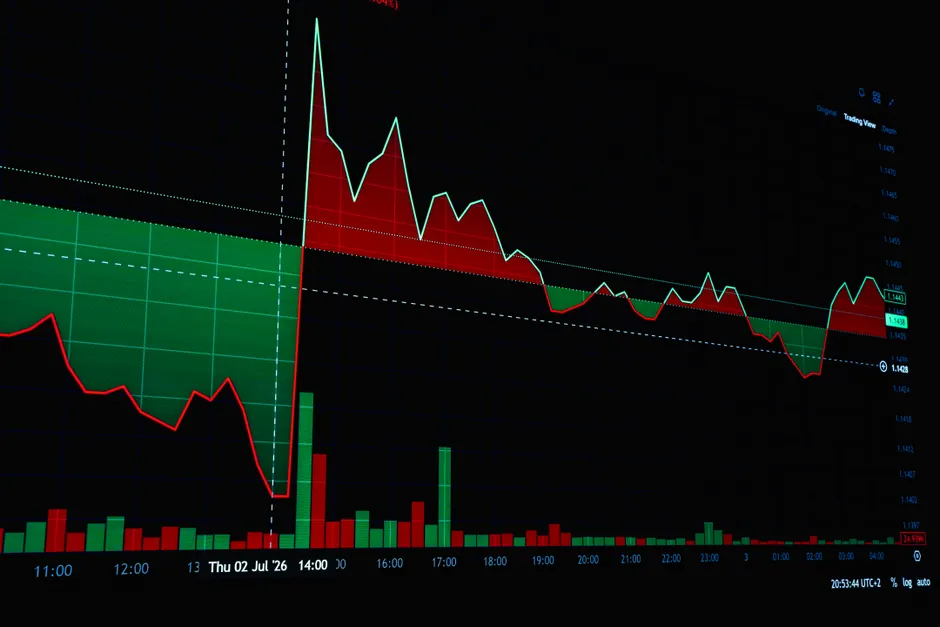
The S&P 500 fell 1% on October 14, 2026. The Nasdaq, which holds many tech stocks, fell 1.88% to close at 26,692.87. Both falls followed a high inflation report and a drop in AI-related stocks. CNBC
Inflation and rates
The U.S. Bureau of Labor Statistics reported prices for city consumers, called CPI-U, rose 0.6 percent after seasonal adjustment. BLS Prices in September 2026 were up 3.7 percent from a year earlier. NYT Prices rose faster in September because of costlier gasoline and firmer core prices, which leave out food and energy. Reuters Gas prices surged 34 percent with the September increase. NYT
The broader context here is that mix. The headline number was led by energy. Core prices staying firm is harder to ignore, because it means price rises go beyond gas. For savers and borrowers, that can mean higher borrowing costs for longer.
After the report, markets raised the chance of a Federal Reserve rate hike at its October 2026 meeting to roughly 37%. Reuters
The broader context for rates here is that shift. A 37% chance is a big change in short-term expectations. It tightens money conditions. Real yields are borrowing costs after inflation. Discount rates are the math used to value future company profits.
Tech sold off again
On October 8, 2026, AI-linked stocks fell and pulled the Nasdaq and S&P 500 lower. Investopedia That day, the Nasdaq ended down 1.3% and the S&P 500 ended down 0.5%. Investopedia The October 14 drop followed the same pattern, with AI names again doing worse as rates moved up.
U.S. stocks turned lower on a Thursday as worries about AI disruption led investors to move out of tech shares. Yahoo Finance AI stocks pulled Wall Street lower as worries about AI harm spread. Reuters
Why the Nasdaq fell harder
The broader context here is two problems hitting at once. Higher inflation can push up rates and lower the present value of far-off profits, like fruit from a young tree being worth less today. At the same time, AI risk lowers what investors will pay for older companies that could be replaced, even before profits change. Big tech feels both sides at once.
Looking at what this means for market structure, dispersion is the signal to watch. Index drops of 0.5% to 1.88% hide a sharper move from pricey software toward shorter-term and energy-linked stocks that gain from a gas-led price jump. That means watching breadth, or how many stocks join the move, the link between long-term inflation-adjusted yields and growth versus value, and whether AI laggards steady when rates steady.
In my view, the 37% hike chance is the key point. If core price growth cools, that pricing can fade fast and ease pressure. If core stays firm while energy effects last, markets must price lasting pressure, not a one-month spike. Either way, AI stocks now carry an extra worry discount on top of rate sensitivity. That explains why the Nasdaq, at 26,692.87, fell more.