Why a New Housing Rule Could Hurt Small Villages
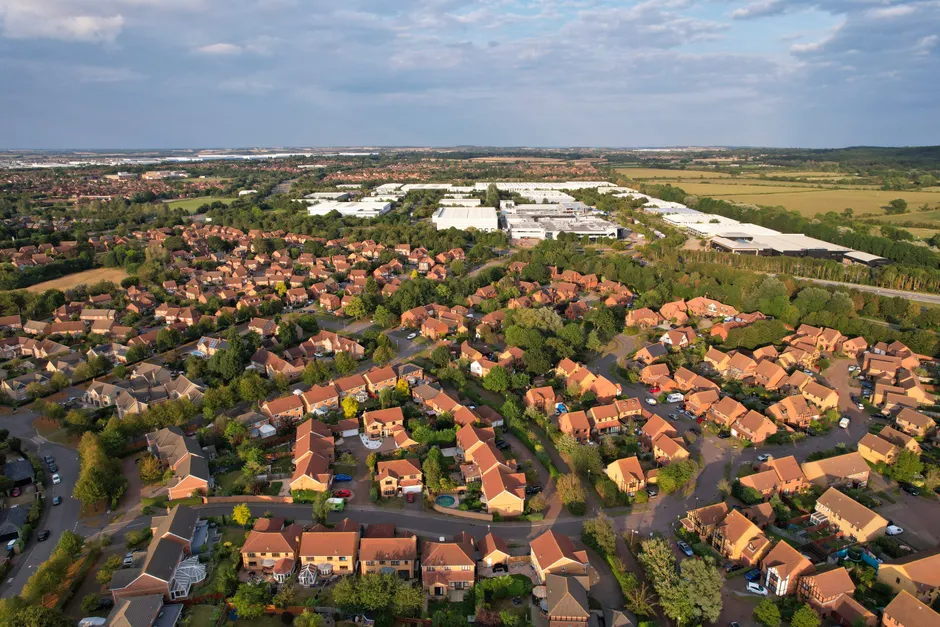
The UK government is thinking about changing how new housing developments build affordable homes. Right now, developers must include affordable units when they build. But the government wants to let smaller developers — those building 10 to 49 homes — pay money to local councils instead of building affordable units directly.
This matters because rural villages depend on these small developments. More than half of affordable homes in rural England come from projects of this size. If the rule changes, the National Housing Federation predicts 32,000 fewer affordable homes will be built over the next decade. That is a real problem in areas where there are not many other ways to create affordable housing.
What Would Change
Right now, developers must negotiate Section 106 agreements — these are deals with local councils that require a share of homes in each new development to be affordable. Developers cannot get planning permission without agreeing to this.
Under the new plan, smaller developers could avoid building affordable units. Instead, they would pay cash to their local council. The government's thinking is simple: this removes barriers, speeds up approvals, and lets councils use the money for affordable housing elsewhere.
But it does not work that way in practice. According to the National Housing Federation, cash payments rarely result in new affordable homes. The money usually gets absorbed into council budgets or spent on projects that were already going to happen.
Why Villages Would Be Hit Hardest
Big cities have other ways to build affordable housing. The government funds housing associations to build in cities. Private companies build rental apartments. Villages have none of these options. There is no big funding pipeline for rural affordable housing. When a small developer builds 30 homes at the edge of a market town, that is often the only chance a farmworker or teacher in that village will have to buy an affordable home.
The government is still deciding on this rule change. The Ministry of Housing confirmed in July that no final decision has been made yet.
The Bigger Picture
This is not just about one rule. London has already changed its affordable housing requirements to make development easier. That suggests the government is moving toward giving developers more flexibility — and away from requiring affordable units in new projects.
The National Housing Federation warns this will leave rural areas behind. The government wants to build more homes faster. Developers say affordable housing rules make smaller projects impossible to profit from. But the Federation argues that removing affordable housing requirements will not solve the housing crisis — it will just create a different one, especially in villages.
When the government decides, they will have to choose between these three sides. What is clear is that wherever they land, rural areas will feel the impact most.


