A Popular Robot Toy Leaked Millions of Kids' Private Chats

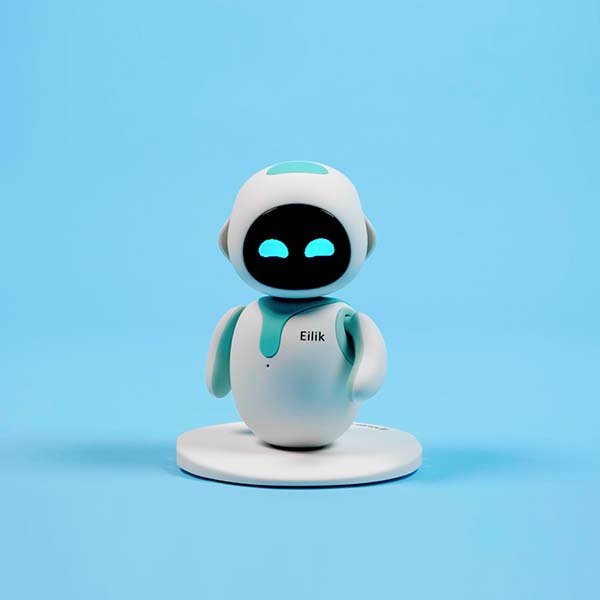
13 million private chats from about 68,000 Eiliko robot toys were left open online with no password. Security researcher Sammy Azdoufal found the system run by maker Energize Lab and could read chats from tens of thousands of users The Verge.
The toys send what people say over Wi-Fi to China, where it is saved on Chinese servers. The United States is the biggest market, with more than 31,000 profiles for children.
Energize Lab reads chats to build profiles that last over time. They list name, age, birthday, job, family, friends, pets and personality traits. The toy is sold as a friend, so it is built to remember. Here remembering meant saving full chats plus the details taken from them on company computers.
Photos and voice clips were open too. The company saved photos of children without protection at public web links. It saved short voice recordings the same way. No hacking trick was needed. If you knew the link, you could open the file.
The system also let someone search all chat text by word. A search for "suicide" showed chats where users asked about death. That means chats were kept as plain readable text that could be searched, not as locked files.
Eiliko is sold as a small robot bag charm, called by the company an AI Charm Bot. The company says its Eilik and Eiliko line mixes emotional robotics with generative AI. Its earlier Eilik robot is described as an open-source desk companion and as redefining emotional hardware. The Eiliko Kickstarter raised over $380,000 from more than 3,000 backers, or 3800% of its goal.
Eiliko needs Bluetooth and Wi-Fi to work. Setup needs a phone's Bluetooth and the Energize Lab app. Daily use needs Wi-Fi or a phone hotspot. The toy itself is like a microphone, speaker and moving part, with the thinking and memory kept online.
Energize Lab has a Software Privacy Policy that tells how information is collected, used, shared, moved and saved. It has a separate Privacy Policy that tells how personal information is collected, used and shared when people visit or buy from energizelab.com.
The broader context here is common for connected toys. Thinking online makes the toy cheaper and easy to update. It also puts many private chats in one place. The login check is the only lock. Without it, other safety steps do not help, and public links become a leak.
In my view, three choices need a closer look. First, sending daily talk online for profiles. Second, keeping photos and voice clips at direct links with no check. Third, keeping sensitive talk as searchable plain text. Each helps speed or features. Each also makes a failure much bigger.
Worth flagging for parents and business buyers is where the data sits. Saving on Chinese servers is not itself a break-in. It does set which laws apply and who can reach the data. With child profiles that include family and daily routine, a missing lock matters far more than with a normal gadget.
The longer view still gives hope for friend robots. Small machines that remember a name or a pet can be fun to live with. That future can still happen if companies save less chat, delete it fast, clean private details on the toy, and use private links that need login and expire.