Who Is Paying for the New $330 Million White House Ballroom?
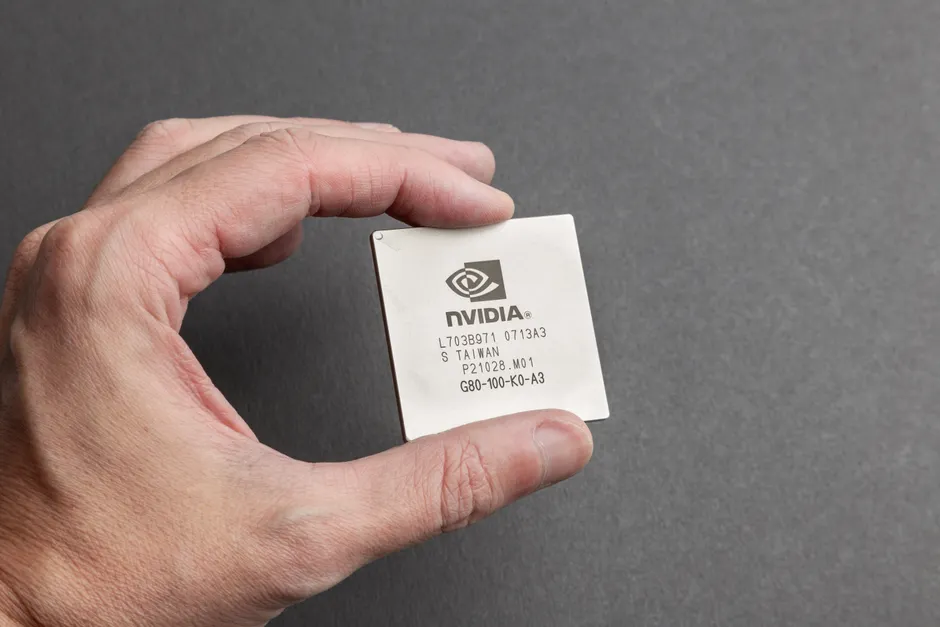
Apple and Nvidia each gave $25 million to build a new ballroom at the White House. They are the biggest donors named so far in a building project paid for with private money, now totaling about $330 million in promised gifts.
The numbers come from private documents reported by The Washington Post on Oct. 15, 2026, which printed a list of donors and amounts. The Washington Post Reuters, describing the same reporting, put the private total at $333 million. Reuters
Companies from Silicon Valley and the crypto business gave more than $150 million of that total. The Verge Think of it like passing the hat, where tech companies put in almost half the money in the hat.
Google paid $22 million as part of a legal settlement from 2025. The Verge That is different from writing a company check. Money for the project came in three ways: from people, from charities tied to big companies, and straight from companies.
Other tech and phone donors include Comcast at $7.5 million, Amazon at $5 million, Meta at $5 million, Cisco Systems at $5 million, and Coinbase at $5 million. Amazon, Comcast, Microsoft and T-Mobile were all described as among the top donors in the Post reporting. Caterpillar gave $5 million, and so did BlackRock. Small Business Administration head Kelly Loeffler and her husband gave $5 million.
Donald Trump was not on the published donor list.
The plan started smaller. In July 2025, the White House said President Trump and other patriot donors would pay for a ballroom costing about $200 million. White House A later White House description put the cost at about $250 million. In October 2025, the White House called it a “grand, privately funded ballroom.” White House
An earlier report in June counted 27 donors and said ballroom donors had won $50 billion in contracts after giving. The Washington Post That contract number is separate from the October donor list and has not been updated in the new documents.
The broader context here is how Washington often works. Big companies that sell to the government have long given money in different ways to stay in contact with leaders from both parties. What is new here is size and speed. A $200 million idea in 2025 became $330 million in promises by 2026.
In my view, readers should see this as background for how tech and government interact. When the same companies that sell computers, cloud service, and phone plans all give to one project, it raises questions about government buying, phone rules, competition cases, and AI rules. A donor list does not answer those questions. Over the long run, having the names and numbers in public helps everyone judge future decisions more fairly, and now we have more facts than before.