Tiny Lab-Grown Guts Just Won a Big Startup Prize
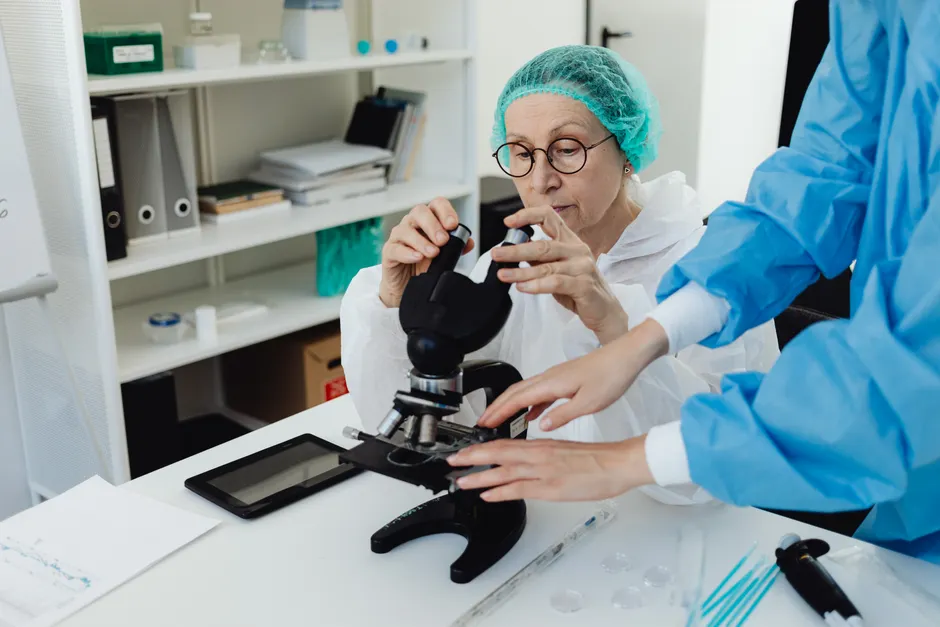
Intero Biosystems won Startup Battlefield 2026 at TechCrunch Disrupt 2026 in San Francisco. The winner was announced Oct. 15, the last day of the conference. TechCrunch
Twenty startups took part. They were picked from a larger group called the Startup Battlefield 200. They competed for the Startup Battlefield Cup and $100,000. The money is equity-free, so the winner does not give up any ownership.
The last round came down to five companies: Apate, Flox Intelligence, Intero Biosystems, Industrial Next and Satlyt. The final judges were Alexa von Tobel of Inspired Capital, Chi-Hua Chien of Goodwater Capital, Dayna Grayson of Construct Capital, Karl Alomar of M13 and Stacy Brown-Philpot of Cherryrock Capital.
Intero Biosystems was started by Charlie Childs and Madeline Eiken. It is based in Denver and grew out of the University of Michigan. The company grows very small pieces of human gut in the lab, about 1mm across. Think of them as tiny models of the gut that let scientists see how drugs and other chemicals act before testing in people. It sells this system as GastroScreen to drug, biotech, food and chemical companies.
Apate came in second. It was started by Dali Kaafar. It uses AI software that pretends to be a victim to trick online scammers and collect information about fraud.
The contest followed the established Disrupt setup. All 200 chosen startups showed their work at Disrupt. Twenty pitched on the Main Stage. Thousands of startups had applied for the Battlefield 200. TechCrunch shared the 200 list on Aug. 20, the Top 20 overview on Oct. 13, and a finals preview on Oct. 14. The winner was set to be named at 4:15 p.m. Disrupt 2026 ran Oct. 13 to 15 at Moscone West in San Francisco. Intero had shared news of its own selection to the Battlefield in a LinkedIn post on Sept. 15. TechCrunch
The broader picture here is interesting because the top two work in very different areas. One grows tiny gut tissue for lab tests. The other makes fake victims to learn from criminals. Both need automation, large numbers and good data to work well.
In my view, contest judges often pick companies where difficult technology is hard to copy, and Intero fits. Growing gut tissue at the same quality again and again, with test results customers can trust, is hard to do. Its customer list also needs a closer look. Selling to drug and biotech companies is one job. Selling to food and chemical companies is a separate job, with different rules, sales timelines and testing needs.
The longer trend here gives reason for hope. Tools that test more drugs on tissue that acts like human tissue do not remove risk for patients. They can make testing faster and catch some problems earlier. My kids grew up when phone apps could be updated in a day. Biology never worked that fast. These lab-grown models do not make biology that fast, but they move it in that direction. That is why business buyers are interested even while the science is still developing.