Mark Wahlberg Says an AI Copy of Him Could Keep Working After He Retires

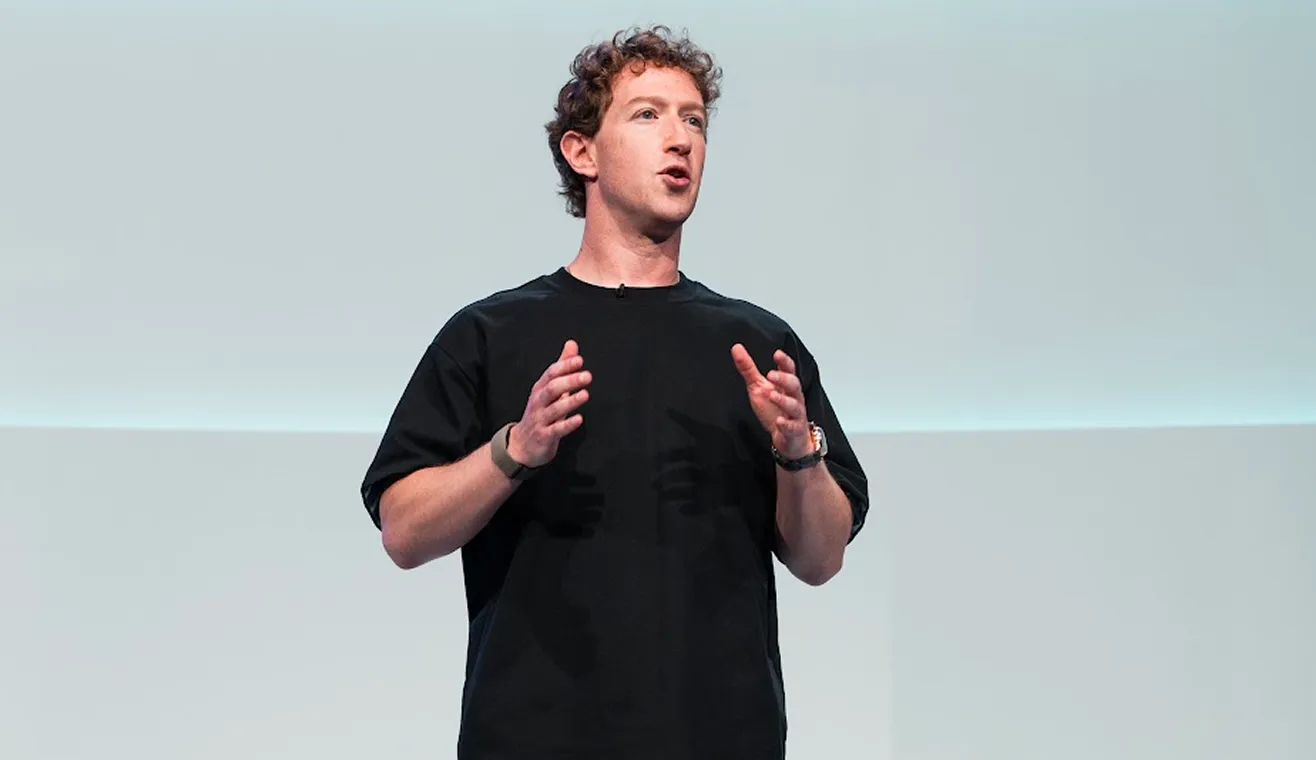
Mark Wahlberg said he is open to an AI copy of himself continuing his work after he retires. Speaking at TechCrunch Disrupt 2026, he said AI has a place in movies if it is used the right way. TechCrunch
He spoke with TechCrunch Editor-in-Chief Connie Loizos, alongside Bruce K. Lee in a session about entrepreneurship, investing and building startups. TechCrunch The conference ran October 13-15, 2026 at Moscone West in San Francisco.
His example was the upcoming Pete Rose movie, in which he plays Rose. He said AI could help improve how the stadium looks.
To put that in plain terms, he meant background work, not replacing actors. The actors still act. AI would help get old-time details right, fill the crowd and keep lighting steady, work visual effects teams already do with computers.
He also set a limit. Filmmakers should not type an idea into ChatGPT, make a script from it and shoot it without real actors. Storytelling, he said, should stay at the heart of filmmaking.
Loizos asked about the CAA Vault, the Creative Artists Agency setup that scans an actor's body, face, movements and voice to make an AI replica. Wahlberg said he had not visited the Vault but would be open to it.
His reason was family control. He said he liked the idea of his children or grandchildren being in charge of his likeness and image. He added he would not oppose an AI version continuing his upcoming animated series Ted for decades.
The broader context here is a shift from asking if synthetic actors should exist to asking who controls them. Wahlberg says yes to AI for places like stadiums, no to scripts made without actors, and yes to treating his likeness as property his family manages.
In my view, control is the hard part. One scan could be reused many times, so a permission system must decide who can use it and approve each project. That means saving original files, tracking versions and consent, and stopping uses that go too far. Like when kids inherit passwords and photo libraries, handoffs get messy, and a face and voice matter more than photos. Looking at what this enables, Ted fits because a cartoon already separates voice from the body, so a licensed voice model could keep episodes going without Wahlberg in a studio. The same holds for the biopic. Fill seats, fix period errors, extend the field, while actors act and writers write. The test is whether the story improves and the person keeps approval and pay. Add to the world. Do not replace the storyteller.