Morocco Stops a Terror Plot Before It Happened—Here's Why It Matters
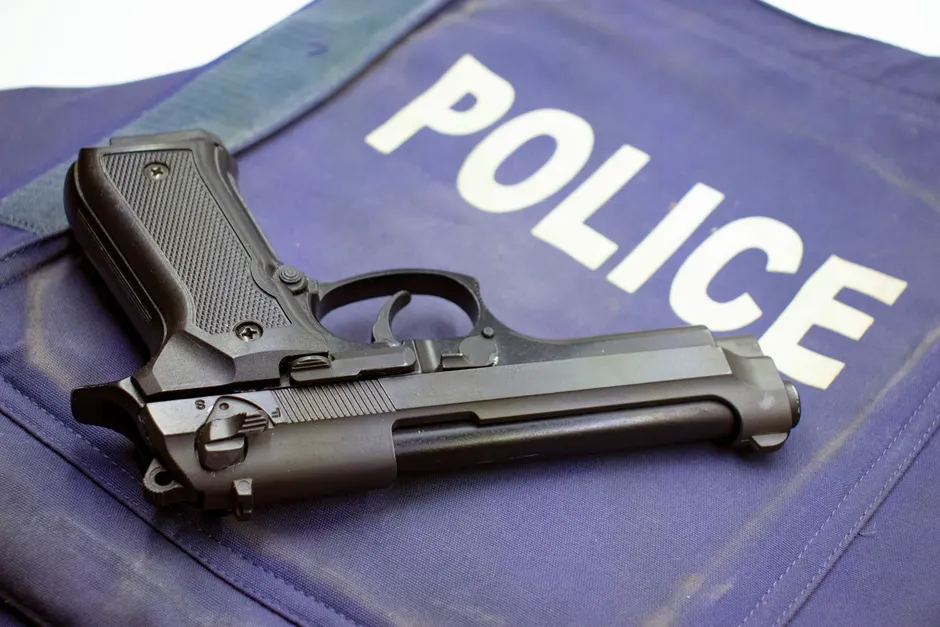
Morocco's police arrested ten members of a terrorist cell on July 6, 2026, stopping what officials say was a planned attack ready to go forward, according to Al Jazeera. The group had connections to the Islamic State in the Sahel Province (ISSP)—a branch of the Islamic State that operates across the Sahel, a large dry region in West and Central Africa.
What Police Found
Raids in several Moroccan cities turned up weapons, bomb-making materials, and chemicals used to build explosives. Police also found a car that appeared to have been changed for use in an attack. The most alarming discovery was in a warehouse: pressure cookers packed with nails, gas cylinders, and wiring set up to cause an explosion. These are homemade bombs designed to kill as many people as possible in crowded places.
The way the group prepared suggests they planned multiple attacks in sequence. The bombs could be set off by remote control or a timer, and the modified car would hit people a second time. Weapons and military gear found with the cell indicate they may have planned a close-quarters assault afterward—following the same pattern used in other terrorist attacks across the region.
The Background
The last time ISSP carried out an attack inside Morocco was 2023, when gunmen killed a police officer in Casablanca. Since then, Morocco's security forces have stopped several cells, but this one had gotten further along. They had working bomb parts, a ready car, and a supply chain that stretched across multiple cities. That shows this wasn't just a group talking about violence—they were preparing to act. Morocco says around 130 of its own citizens have been recruited by ISSP in recent years.
Why Is Morocco a Target?
ISP mostly operates in Mali, Burkina Faso, and Niger—countries in the Sahel. But it recruits fighters and gets money from across the region and beyond. In recent years, countries in the Sahel have kicked out French soldiers and limited American military involvement. Some have instead started working with Russian military contractors. This shift has given ISSP more freedom to operate.
Morocco is different. It works closely with Western countries on intelligence and security and has one of Africa's strongest counterterrorism forces. That makes it both a symbolic target—a win for the group's image—and an operational one.
How the Police Got There
Morocco's security force, the BCIJ, doesn't rely only on tracking phone calls or electronic surveillance. Instead, they put informants inside terrorist networks to report back. The fact that police raided multiple cities on the same day is important. By arresting everyone at once, they prevented the cell from warning each other and going underground. That kind of coordination takes weeks or months of undercover work, not just a lucky tip.
Morocco hasn't released details about who the cell was planning to attack or whether ISSP's leaders in the Sahel were directing the operation or the group was acting on its own. Those details may come out in court proceedings, which in Morocco's system can take a long time because police are still building their evidence.
What Comes Next
This arrest is significant for understanding how terrorist groups are changing. For years, ISSP focused its main attacks on the Sahel itself. Finding a group this advanced in Morocco suggests the organization is either trying to expand attacks to North Africa or its recruitment outside the Sahel is working better than expected. Either way, it's a concern for the region.


