Prince Harry loses major lawsuit against the Daily Mail over phone hacking

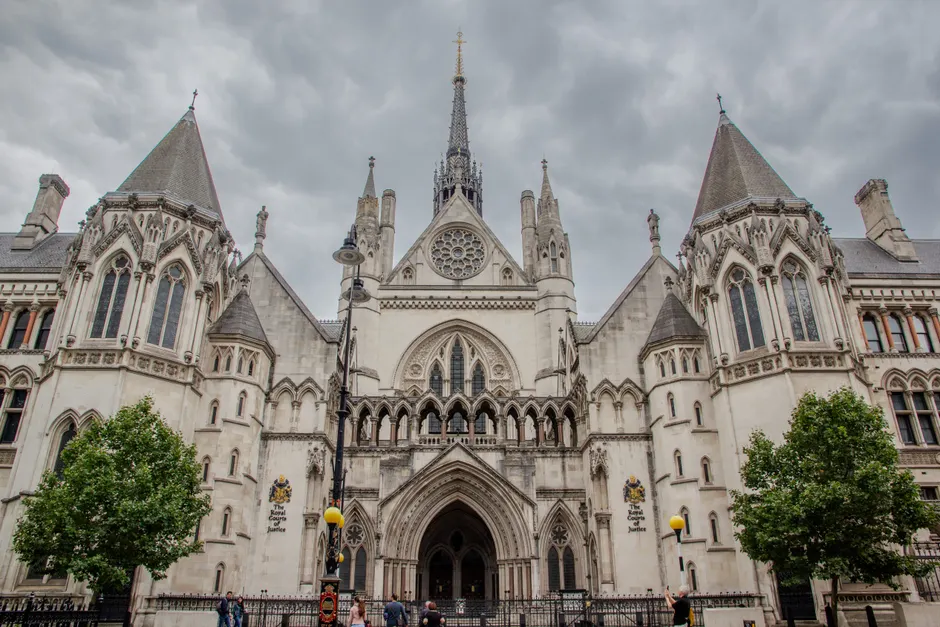
A UK court threw out Prince Harry's case against the publisher of the Daily Mail on July 7, 2026, ending more than two months of trial testimony. The judge ruled that the Prince and six other claimants — including Elton John, Elizabeth Hurley, and Doreen Lawrence, the mother of murder victim Stephen Lawrence — failed to prove the newspaper illegally obtained information about them The Guardian.
The claimants said that Associated Newspapers Limited, which owns the Daily Mail, Mail on Sunday, and MailOnline, had used private investigators to hack their phones, tap their landlines, plant listening devices in their homes and cars, and paid police officers for private information. They pointed to 55 published articles from 1997 to 2015 as examples of stories they believed were obtained this way The Guardian.
Why the court sided with the newspaper
Judge Nicklin's decision turned on a single question: could the claimants prove the newspaper broke the law, or was there a normal, legal way the newspaper might have gotten the same stories?
For each article in dispute, the newspaper's lawyers showed that the information could have come from routine sources — tip-offs from readers, briefings from people willing to talk on the record, or details visible at public events. This matters because the claimants had no direct proof of hacking. In cases this old, years of tape recordings or documents showing an actual interception almost never exist. Instead, lawyers for the claimants relied on inference — the same pattern the newspaper always seemed to know about private conversations, or the timing of a story matching a private phone call.
The judge decided that if any realistic, lawful explanation could account for how the newspaper got a story, the claimants could not win. This set a high bar. The newspaper had to show its explanation was plausible; the claimants had to rule it out beyond that threshold to prove hacking occurred.
Former Daily Mail editor Paul Dacre and dozens of other journalists testified that no illegal conduct took place. Associated Newspapers called the verdict "an overwhelming victory for the Daily Mail and its journalists, and for a free press generally," saying no credible evidence was ever produced to support the allegations The Guardian.
What happens next
The claimants now face a legal bill that could reach £50 million. This figure reflects the enormous cost of running a case like this — years of preliminary court battles before the actual trial even began The Guardian.
Prince Harry could try to appeal, but he would have to identify a mistake in how the judge applied the law itself, not just ask a different judge to weigh the facts differently.
The wider picture
This case arrived two years after Prince Harry won a partly successful lawsuit against Mirror Group Newspapers over similar hacking claims. That earlier victory may have raised hopes that this case against the Daily Mail would turn out the same way. But outcomes in phone-hacking litigation depend heavily on what evidence each defendant's case produces, not on any general sympathy judges might feel toward famous people suing tabloids.
The timing of the ruling coincided with a separate small friction: a royal source told the BBC that Prince Harry was not permitted to stay at Buckingham Palace during his London visit because he had not accepted the invitation quickly enough Reuters. The two events — the courtroom loss and the accommodation dispute — have fed commentary about the Prince's broader tensions with the royal family, though the events themselves are unrelated.
Whether this case will be appealed depends on whether the Prince and his fellow claimants believe the judge made an error in law worth challenging. The specificity of the judge's reasoning on how evidence should be weighed suggests that any appeal would require identifying that kind of legal mistake rather than simply asking for a fresh hearing of the facts already decided.