Why Your GLP-1 Weight-Loss Prescription Can Show Up in Hours—and Why That Worries Regulators
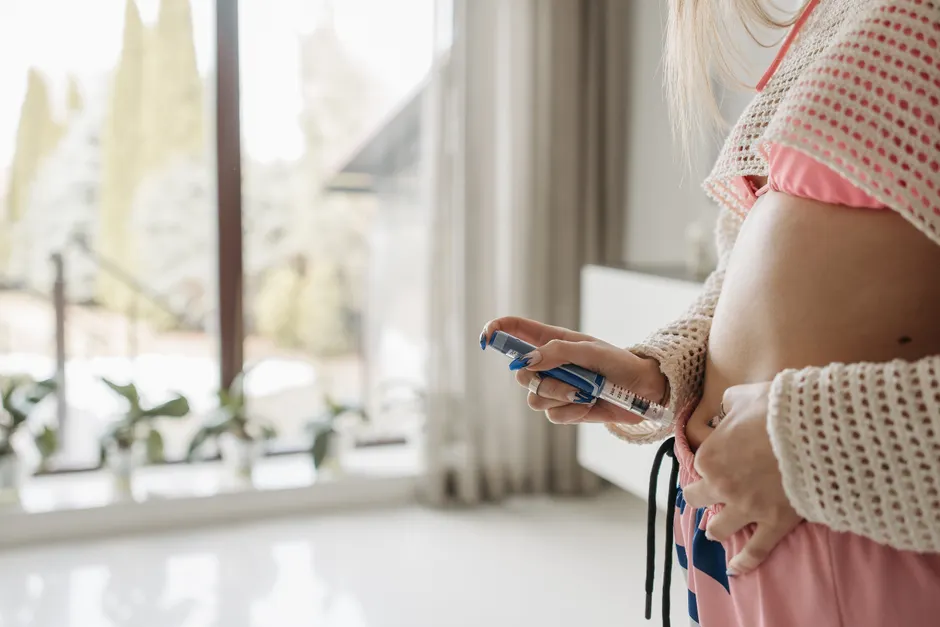
A recent study found something striking: patients buying GLP-1 weight-loss drugs online (semaglutide and tirzepatide) got their prescriptions in one day or less. Some got them in five minutes. For comparison, getting a prescription filled at a doctor's office typically takes days or weeks, with time built in for the doctor to review your medical history and health. When approvals happen that fast, there's almost no room for that review.
GLP-1 drugs like Wegovy and Ozempic are now used by millions of Americans for weight loss and diabetes. Telehealth companies have become a major way people get them—faster and often cheaper than traditional doctor visits. But speed is coming with a cost.
The business model runs on speed
Online weight-loss drug companies make money by processing lots of prescriptions quickly. In February, Hims & Hers (a major telehealth company) launched a homemade version of semaglutide for $49 a month. That low price only works if thousands of people move through their system every day. The faster the approvals, the more patients they can serve, and the more revenue they generate.
But here's the catch: the government is pushing back. In early February, the FDA said it would restrict the ingredients used in these cheaper, homemade versions. The reason is simple: compounding (making custom versions of drugs) was supposed to help when brand-name drugs run short. It wasn't meant to create a discount market. If the FDA tightens the rules, these online platforms lose a big chunk of their business. When that happens, prices go up—and control over pricing shifts back to the big pharmaceutical companies like Novo Nordisk and Eli Lilly.
Safety issues are piling up
There's another problem driving regulatory concern: mistakes. Health officials reviewed FDA reports of problems tied to GLP-1 drugs and found that medication errors—wrong doses, missed warnings—have shot up. When a pharmacist, rather than a doctor who knows you, decides how much drug you get, mistakes become easier. NBC News reported on several cases where people overdosed because they bought the wrong strength online. The faster the prescription process, the less checking happens, and the greater the risk.
Meanwhile, Medicare—the government insurance program for people over 65—is testing whether to pay for branded GLP-1 drugs directly. If Medicare covers semaglutide or tirzepatide, older Americans won't need to buy the cheap compounded versions online. They'll get the real thing from a doctor. That would hit telehealth companies' profits hard.
New drugs are still being developed
While regulators argue about compounded drugs, pharmaceutical companies are working on newer, stronger versions. Eli Lilly's experimental GLP-1 drug produced greater weight loss in trials than Novo Nordisk's competing drug. A new pill form of semaglutide (called Orforglipron) got FDA approval for weight loss in April 2026. Scientists are also starting to figure out which patients respond best to these drugs—the "super responders" who lose way more weight than average.
The market is splitting in two directions. One path has branded, FDA-approved drugs prescribed by doctors through normal channels, with newer and stronger versions on the way. The other path has cheap compounded versions sold online through speed-optimized systems, now facing scrutiny from regulators, safety data, and published research. For anyone watching this space, the five-minute prescription approval is not just a curiosity—it's a clue about where enforcement will likely land next.


