A Startup Wants Heat Pumps That Use a Sponge-Like Solid Instead of Gas
Pascal, a startup led by co-founder and CEO Adam Slavney and co-founder and CTO Jinyoung Seo, has raised $8.5 million in a follow-on to its seed round. TechCrunch reported the round on October 21, 2026. Sazze Partners and LB Investment co-led it, with participation from KDB Silicon Valley.
Pascal is building a heat pump. That is a machine that moves heat into a building in winter and out of it in summer. Most heat pumps use a refrigerant, a fluid that cycles through pipes and changes between gas and liquid. Pascal wants to replace that fluid with a solid.
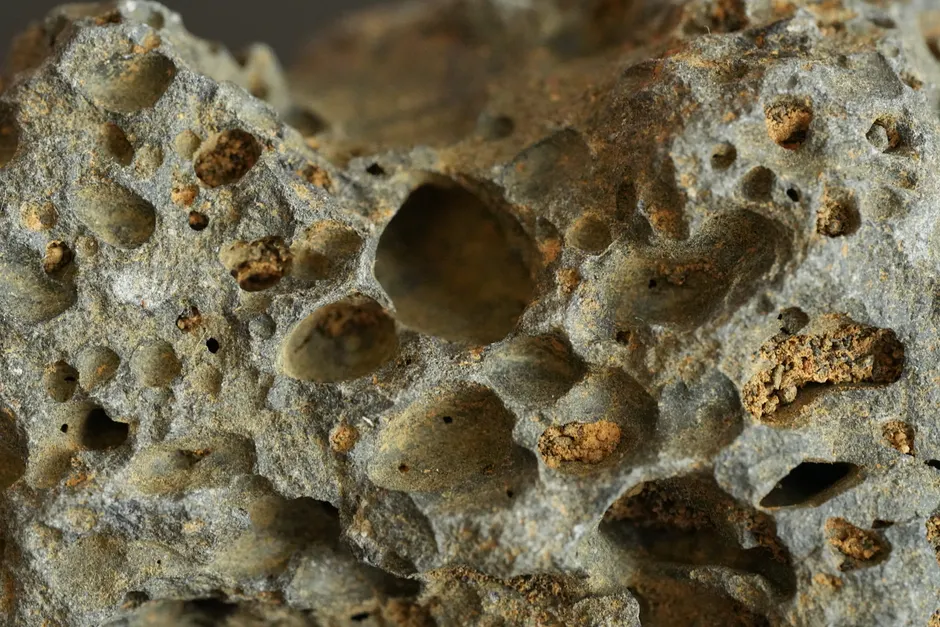
According to TechCrunch, the device squeezes carbon dioxide gas into a cartridge packed with a special sponge-like material. Gas molecules bump against the walls of its tiny pores, which heats or cools the material. That temperature change is what moves the heat.
The founders say they found this effect while researching solid refrigerants at Harvard University. Their measurements behaved differently than expected after they switched gases, so they followed the surprise. Pascal now runs a lab in Massachusetts and is listed as a resident company of The Engine, a non-profit incubator in Boston. The company says it aims to build a new kind of refrigerant that could transform the heating, ventilation, and air conditioning (HVAC) industry.
Pascal says a refrigerator or heat pump using its material will be about 20% more efficient than existing models, according to TechCrunch's October reporting. Earlier this year, Slavney told a July 2026 industry report that the system could be about 20% more efficient than an R290 system. Those two comparisons start from different points, and neither has been tested in a product people can buy.
The company has signed a contract with a multinational beverage company for a pilot. It plans to deliver a first prototype in early 2027 and a batch of more polished refrigerators in 2028. Its website says it received a grant of about $240k from MassCEC's InnovateMass program.
In my view, the 20% number is easier to understand if you ask when it holds, not just how large it is. The prototype and the beverage pilot will show whether the system heats and cools quickly enough and keeps working over thousands of cycles. Until then, 20% is a goal the company has set.
The broader context here is that the heating and cooling industry needs refrigerants that do less harm to the climate and still fit existing equipment. Pascal argues that a solid material could avoid some of the trade-offs of gas systems. If the efficiency holds at full scale, buildings would use less electricity for the same heating or cooling. If it does not, the company will have spent years and a lot of money to show the idea works but is not yet cheap enough.
For now, the record is a funded startup, a discovery made at Harvard, a lab in Massachusetts, a pilot agreement, and a plan running through 2028. Whether the product beats a well-built conventional system will become clearer after the next two prototype rounds.