Fusion Startup Helion Wins $175 Million to Build Its Own Chips
Helion, a company developing fusion power, has been awarded $175 million in federal funding to research, develop and manufacture semiconductors and power electronics for its fusion power plants, according to TechCrunch, which reported the award on October 22, 2026.
Fusion is the process that powers the sun. It joins atoms together and releases energy. Helion is trying to do the same thing inside a machine that can produce electricity.
The money is a three-year award from the U.S. Department of Commerce under the CHIPS Act, a law that funds the domestic chip industry. Helion has also signed a Letter of Intent for the $175 million CHIPS Award. A letter of intent sets out the terms of a deal before the final agreement is signed.
The company also announced a separate $50 million private investment alongside the federal award. It did not say who the investor is.
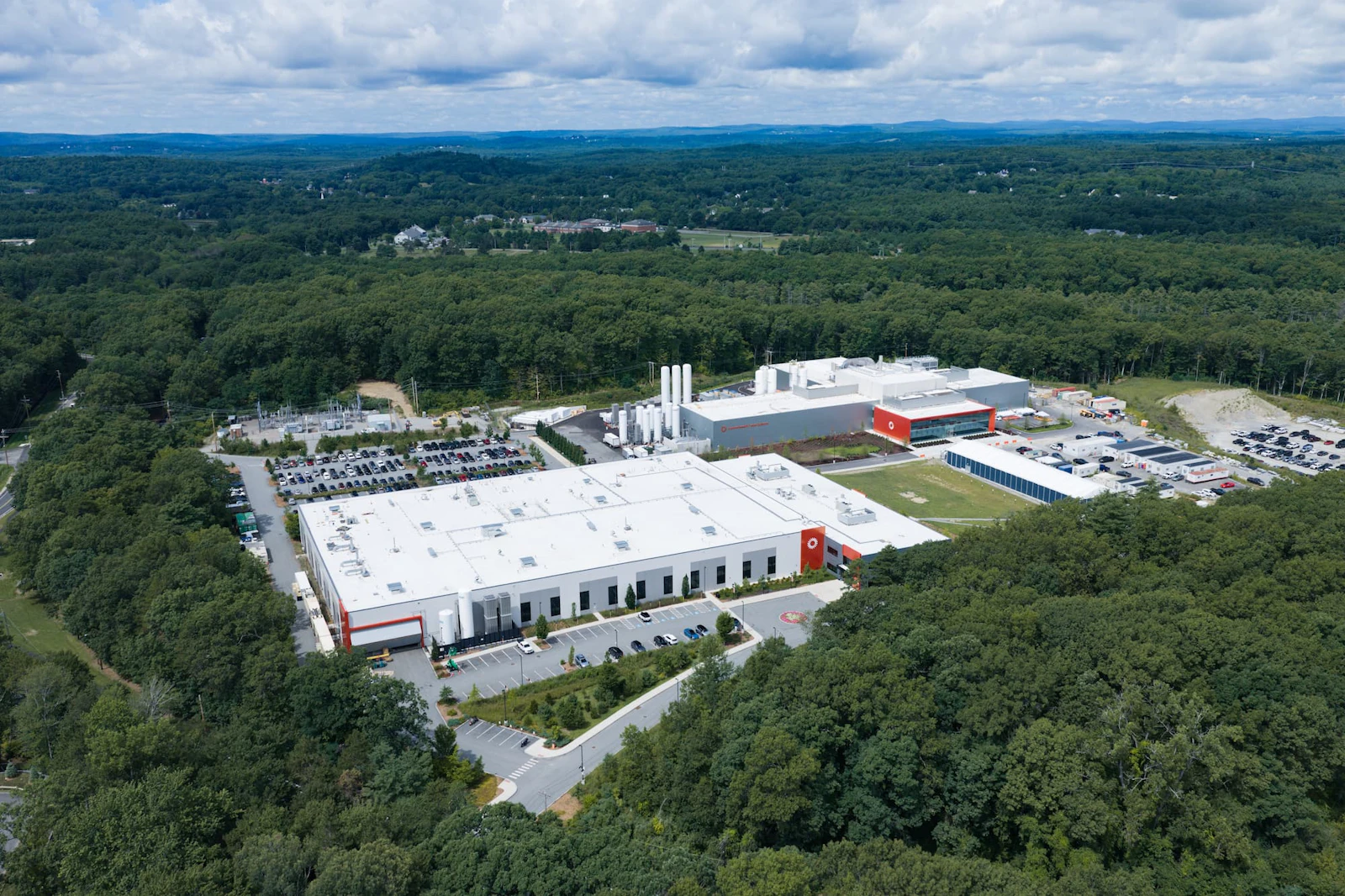
The work is split between two states. More than $100 million will support semiconductor and advanced packaging research in Washington State. Helion plans to build a new automated production line there for making, packaging and testing chips. Packaging is the step that encases a chip so it can connect to the rest of a system. About $80 million will go to research in Vermont, in partnership with GlobalFoundries.
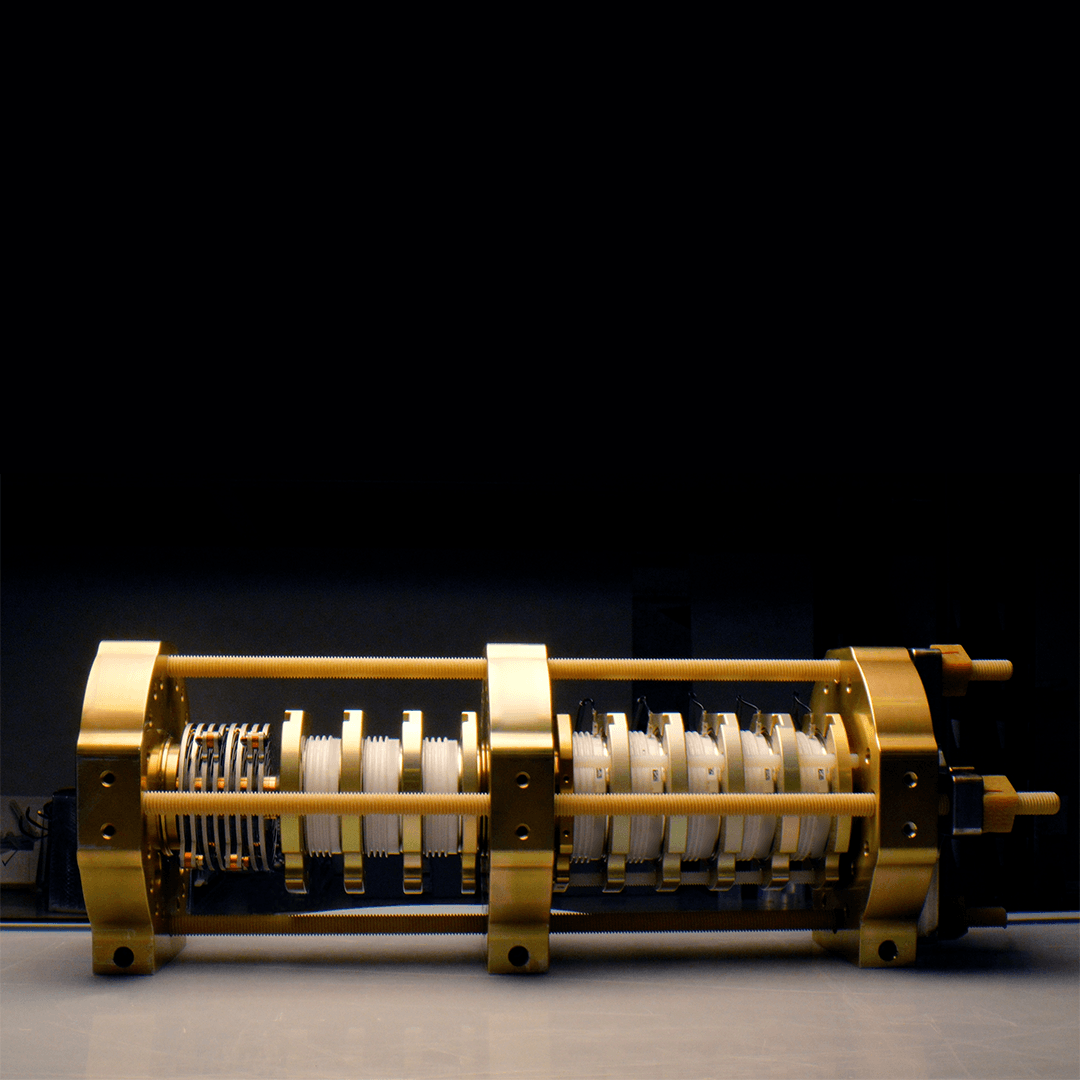
The reason is energy loss. Helion's current power devices lose roughly 5% to 10% of the electricity that flows through them. Helion CEO David Kirtley has said that cutting that loss in half would double the power output of the company's fusion system.
Think of it like a leaky pipe between a water tank and your tap. Fix the leak, and more water reaches the house. The electronics sit between the fusion machine and the power grid, so any energy saved at that stage goes straight to the electricity that can be delivered.
Helion's first power plant, called Orion, is intended to supply electricity to Microsoft by 2028. Reuters reported in July 2025 that Helion had started construction on the site. Helion says it is building the world's first fusion power plant to deliver clean, reliable and abundant electricity to the grid. That is the company's goal, not a finished result.
Helion has raised more than $3.2 billion in total, according to the TechCrunch report. The company's website describes a $465 million Series G round, raised to meet growing global demand for power. It also says Helion has awarded funding to 20 research institutions.
In February 2026, Helion said its Polaris machine is the first privately funded fusion energy machine to run on deuterium-tritium fuel. This is a mix of two forms of hydrogen, and it is the fuel that commercial fusion designs generally aim to use.
Kirtley is co-founder and CEO of the company.
In my view, the chip work is the part engineers should watch most closely. Fusion companies are usually discussed in terms of plasma, magnets and materials. Here the bottleneck is power electronics, and Helion has chosen to build its own supply chain rather than wait for one. Whether a fusion developer can run a chip packaging and testing line at the quality and yield that such work demands is a question the announcement does not answer.
The broader context here is two needs meeting in the middle. Cloud data center operators want steady, low-carbon power on a predictable schedule. Fusion developers need electronics that waste less of what their machines produce. If the Washington and Vermont work cuts those losses as Helion intends, the gain would reach homes and businesses as usable electricity. The 2028 Orion date will show whether the plan holds.