Microsoft Is Closing the Central Hub Behind Its Garage Hackathons
Microsoft is ending The Garage as a central program, and some of its physical spaces will close as soon as Friday, October 23. An internal FAQ seen by Notepad says: "We're winding down The Garage program as a centralized function."
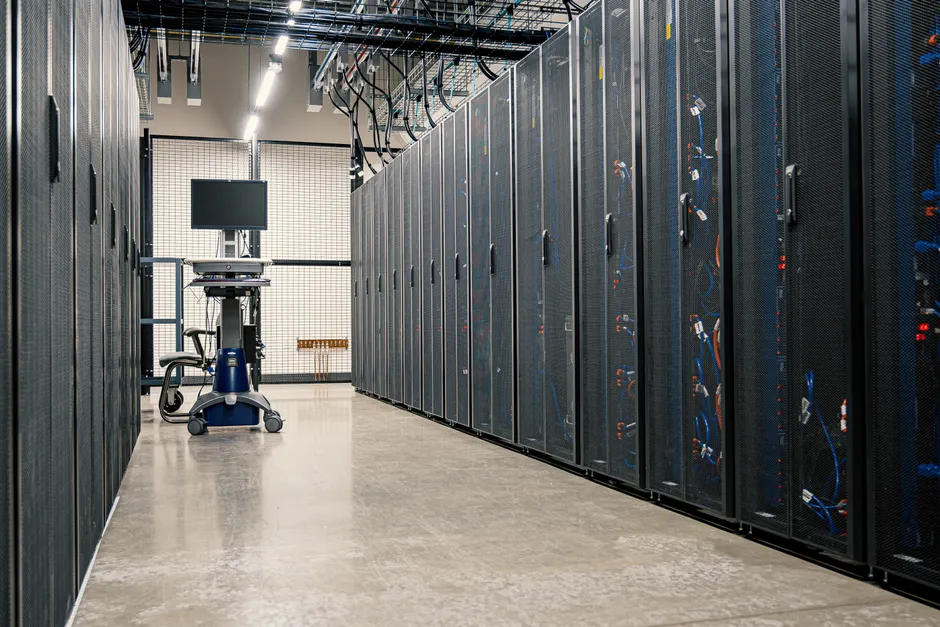
The Garage is the program behind Microsoft's hackathons and maker spaces. Hackathons are short events where people set aside their normal work to build something new. The main Garage space sat on Microsoft's campus in Redmond, Washington. It served as the central hub for around 15 Garage locations across the United States, Canada, Europe, the Middle East, Africa and Asia. The program had a 17-year history.
Microsoft's FAQ says the hackathon team is reimagining the program to fit today's employees, customers and technology. The plan covers closing locations and the central function. The spaces scheduled to close are described as "some," not all, of the network.
GeekWire first reported the move on October 20, 2026. Todd Bishop wrote that report. The Verge's account followed two days later.
The program's online presence has also changed. The Garage landing page at microsoft.com/en-us/garage/ now shows promotions for Surface, Xbox and Microsoft 365 instead of Garage information. The wall-of-fame website that listed the program's top projects has been removed.
The projects the program produced are the clearest measure of its work. Seeing AI, an app that describes objects and text out loud for people who are blind or have low vision, began at a 2015 Garage hackathon. Microsoft employee Tuong Do built Mouse Without Borders in his spare time, during evenings and weekends. The tool lets one mouse and keyboard control up to four PCs.
The Xbox Adaptive Controller also started at a hackathon. Employees experimented with Kinect, a motion-sensing device that tracks body movement, and tried to turn those movements into Xbox controller input. The Adaptive Controller later appeared in Microsoft's 2019 Super Bowl commercial. CEO Satya Nadella regularly attended Garage hackathons. Microsoft describes its Global Hackathon as a company-wide, multi-day, global event.
The broader context here is that the Garage's work covered accessibility, personal productivity and hardware, and some of it reached customers as finished products. Those results came from a format that let engineers pursue ideas outside their assigned work for a few days at a time. A central team handled logistics, funding and visibility across regions. Many large companies find that kind of structure hard to keep running, and it is often among the first things cut when budgets tighten. Whether the reimagined program keeps the link between a weekend prototype and a shipping product is the question to watch.
In my view, the Seeing AI and Adaptive Controller stories show how small the first step can be. A volunteer experiment with a sensor, or a late-night project to solve a personal problem, grew into tools that people with disabilities use every day. A program that makes that first step easier for engineers at dozens of sites is different from a central function. The difference may matter most to the people who relied on the original. Microsoft has called the change a reinvention, and the products that started in Garage sessions give that claim a concrete test.