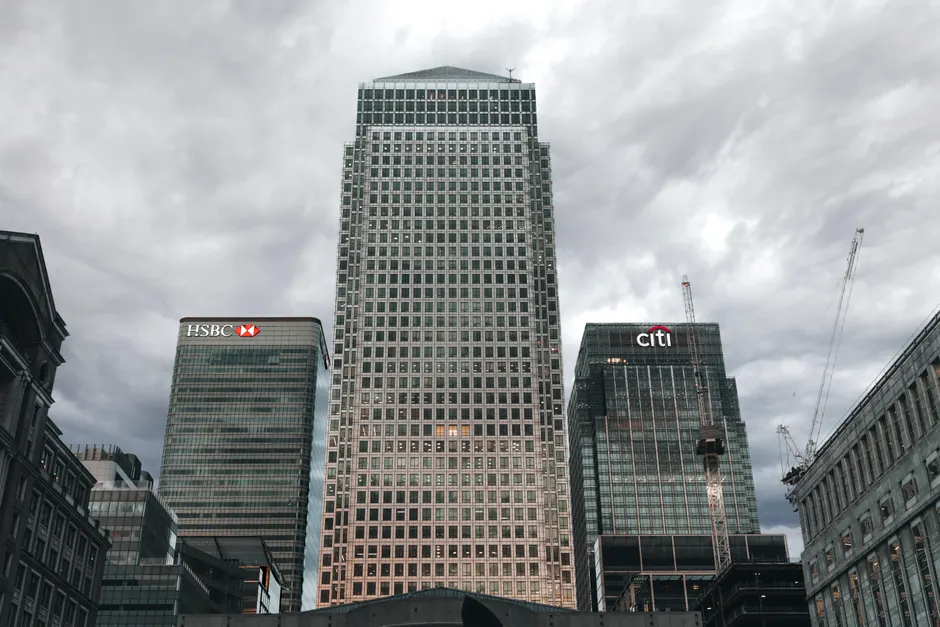
HSBC Reports on 27 October: Three Things to Watch

HSBC Holdings reports its third-quarter 2026 results on Tuesday, 27 October, at 4 am GMT, which is noon in Hong Kong. The release will also show whether a share buy-back the bank promised in August has finished on schedule.
In its interim results on 4 August, HSBC said it planned a share buy-back of up to $1bn. It expected the buy-back to be complete by the third-quarter announcement. The bank said this was its first since the Hang Seng Bank privatisation announcement in October. Reuters described it as a restart after buy-backs had been paused.
Here is how a buy-back works. The bank buys its own shares and cancels them. The same profit is then split across fewer shares, so earnings per share (profit divided by the number of shares) tends to rise, all else being equal.
The size matters, though. The $1bn plan is small next to the two buy-backs HSBC completed for 2025, which together totalled $6bn.
2025 was a weaker year for profit. HSBC reported profit before tax of $29.9bn, down $2.4bn, and profit after tax of $23.1bn, down $1.9bn, in its annual results. Profit before tax is what the bank earns before tax is taken out. Profit after tax is what is left afterwards. So the payouts for 2025 came from a smaller pool of earnings than the year before.
Ahead of the release, The Standard reported on 25 October that third-quarter profit was forecast to rise 33 percent. The same preview projected operating expenses, the day-to-day costs of running the bank, to fall 12.38 percent to US$8.85 billion.
A forecast is not a result. Markets usually focus on the gap between the two. Still, higher profit with lower costs is the combination a bank wants. Whether the cost cut holds up after restructuring charges and legal provisions (money set aside for expected lawsuits) is a question the release itself will answer.
Net interest income is the next line to check. It is the gap between what a bank earns on loans and what it pays on deposits, much like a shopkeeper's margin between buying and selling price. This line is the most exposed to the interest rates that central banks set.
In its interim media release, HSBC reported net interest income of $19.1bn, up $1.4bn. Its interim quick-read put banking net interest income at $22.9bn, up $1.6bn. Both figures cover the first half of the year. The third-quarter numbers will show whether that growth carried through the summer. Analysts will focus on deposit pricing and loan growth, since those two levers decide whether the gap widens or holds steady.
For savers and borrowers, the link is indirect. Mortgage and savings rates at HSBC's retail arms follow the bank's funding costs and competition from rivals, not its quarterly profit. A strong result will not, on its own, change the rate on your current account.
For investors, the clearer read is on capital, meaning the money the bank holds and can return to shareholders. A $1bn buy-back, if finished on the stated timetable, is a modest amount relative to the bank's earnings. What matters more is whether management keeps the programme running, expands it, or stops at the interim figure.
In my view, three things will show whether the quarter lives up to its preview. Did the $1bn buy-back finish on the timetable given in August? Did operating expenses land near $8.85 billion? Did net interest income keep rising? If all three hold, the quarter looks like the one the preview described. If any one slips, the 33 percent forecast is the number to question.