Meta Wants to Sell $35 Billion in New Stock to Pay for Its AI Push

Meta plans to sell $35 billion worth of new stock to help pay for its artificial intelligence (AI) buildout, The Wall Street Journal reported on October 26, 2026. The same day, CNBC reported that Meta plans to raise $95 billion to fund AI infrastructure and superintelligence. AI infrastructure means the data centers, chips, and power that run AI systems.
The WSJ put the total financing plan at up to $95 billion. That makes the stock sale one $35 billion piece of a much bigger program.
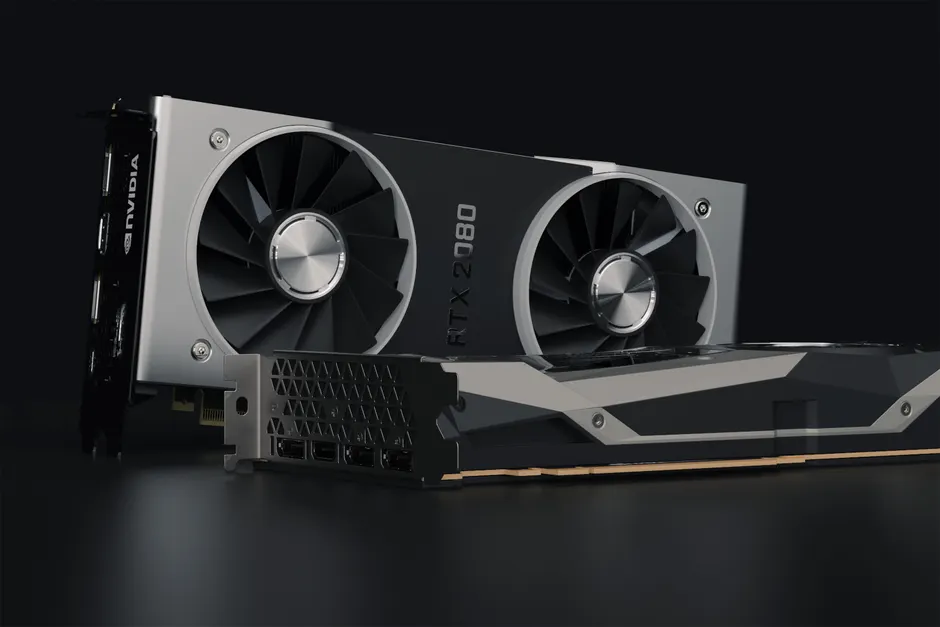
The stock sale already has some large potential buyers. The WSJ reported that Nvidia, Advanced Micro Devices and Broadcom have signaled interest in buying up to $5 billion of common stock in the offering.
On October 27, Reuters reported that Nvidia will invest $3 billion in Meta's stock offering. Reuters also reported that Nvidia and Meta will partner to expand their work on Meta's Muse assistant and the Muse family of AI models. Of the three chipmakers, Reuters reported only Nvidia's commitment as firm.
Nvidia has also announced a partnership with Marvell, a chipmaker focused on data infrastructure. The deal includes a $2 billion investment in Marvell, as the WSJ reported in an earlier article. That deal is separate from Meta's, but it follows a similar pattern: a major chip supplier putting its own money into a company that buys from it.
Here is how a stock offering works. The company creates new shares and sells them, so it gets cash. Existing shareholders still own what they owned before, but their share of the company is now a bit smaller. Think of a pizza cut into eight slices and then into ten. It is the same pizza, but each slice is smaller.
The price per share depends on how many shares are issued and what buyers pay for them. Stock also has a different cost than borrowing. A loan comes with fixed interest payments, while new shares dilute current owners for good. A company spending tens of billions on buildings and equipment has to weigh that against borrowing more, against its credit rating (how lenders grade its ability to repay), and against the cash its existing businesses bring in.
The $95 billion total matters more than the $35 billion headline. If the stock sale is $35 billion, the rest of the plan comes to roughly $60 billion.
In my view, that remaining $60 billion is the part to watch. Borrowing and cash from the business carry different risks, and anyone looking at the stock will want to know which one covers it.
The chipmakers' role is the detail I would watch most closely. Nvidia, AMD and Broadcom sell the chips and networking gear that make AI data centers run. When a supplier invests in a large buyer of its products, the sales it books from that buyer and the return on its stake become linked. That does not make the investment unsound. It does make supplier demand harder to read, because part of it is now paid for with the supplier's own shareholders' money. Analysts will try to separate spending by real end customers from spending that is partly funded through equity.
Two things are settled: Meta has planned a $35 billion offering, and Nvidia will invest $3 billion in it. The rest is still open, including the final size, the price, and whether the AMD and Broadcom interest turns into actual purchases.
If you follow Meta, treat $95 billion as the full picture and $35 billion as the first concrete step. Watch the number of shares Meta has outstanding, its spending guidance, and how the rest of the money is raised.