GM Wants to Build a New Car in Two Years Instead of Five

General Motors has unveiled a technology roadmap covering AI-driven vehicle development, advanced batteries, powerful vehicle computers and self-driving technology. The company presented it at an event in New York City. Its stated goal is to shorten a typical vehicle development process, which takes four to five years, to just over two.
The plan rests on what GM calls an "intelligence-defined vehicle." According to The Verge, the idea has three parts: artificial intelligence, central computing and virtual engineering. GM expects the combination to cut development time in half.
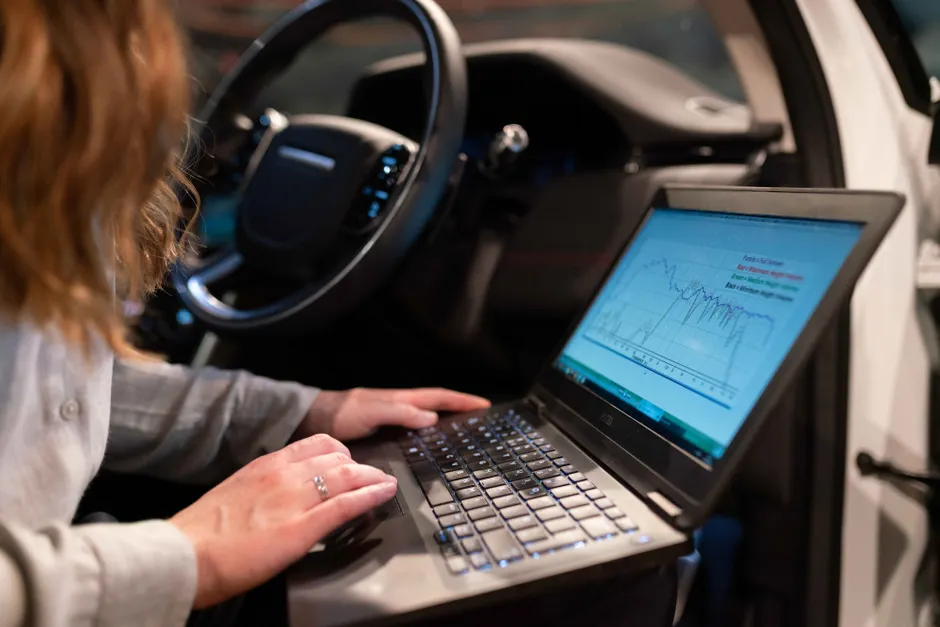
Sterling Anderson, GM's chief product officer, told The Verge after the event that the company is testing vehicles virtually to improve safety. Engineers can start thousands of tests in a computer simulation, he said. Physical prototypes, by comparison, are limited in number. In his description, the virtual approach gives feedback much faster than building and running hardware alone.
Think of how pilots train in flight simulators. They practice emergencies on a screen long before they touch a real aircraft.
Anderson's background is mostly in self-driving cars and robotics. He co-founded Aurora, a self-driving software company, in 2017. Before that, he worked at Tesla, where he led the Model X program and the team that delivered Tesla Autopilot. He holds a doctorate in robotics from the Massachusetts Institute of Technology, as The Wall Street Journal reported. GM named him executive vice president of global product and chief product officer in 2025.
His views on robots reach beyond cars. The Star reported earlier this year that Anderson said hands are very useful in a car factory, but "it's not clear that legs are." That remark touches on a wider debate about humanoid robots on assembly lines. There, handling parts and tools tends to matter more than walking.
GM's direction was already visible in an October 2025 interview with CEO Mary Barra and Anderson. It covered the company's plans for AI, self-driving and electric vehicles. The new roadmap builds on those themes. The 2026 presentation is the more concrete statement of how GM plans to organize its engineering around them.
In my view, the timeline will draw the most scrutiny from engineers. Cutting development from four or five years to about two depends heavily on how accurately simulations copy real conditions. That includes heat, wear on parts and rare sensor failures. Testing has always been the costly, slow part of building a vehicle. The open question is whether virtual tests can replace physical evidence, rather than just add to it.
The broader context here is that the roadmap is a plan, not a set of results. The real test is whether cars made this way reach customers sooner, with software and computers that can be updated over their lives. If virtual testing holds up under physical checks, the benefit could go beyond a shorter schedule. Engineers would have more room to improve safety and self-driving before building a single prototype.