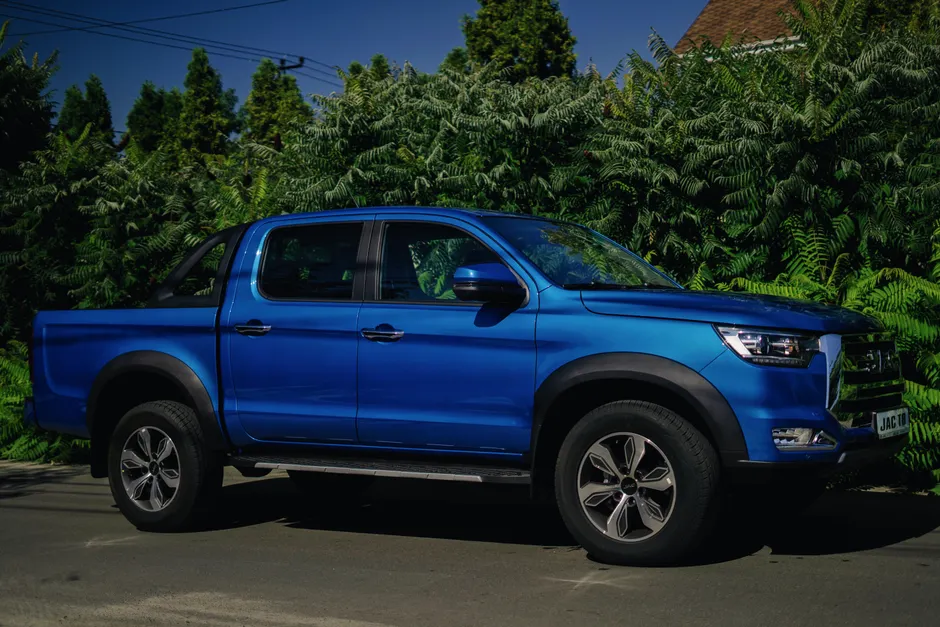
Ford's New Chargers Could Let Its Electric Truck Power Your Home
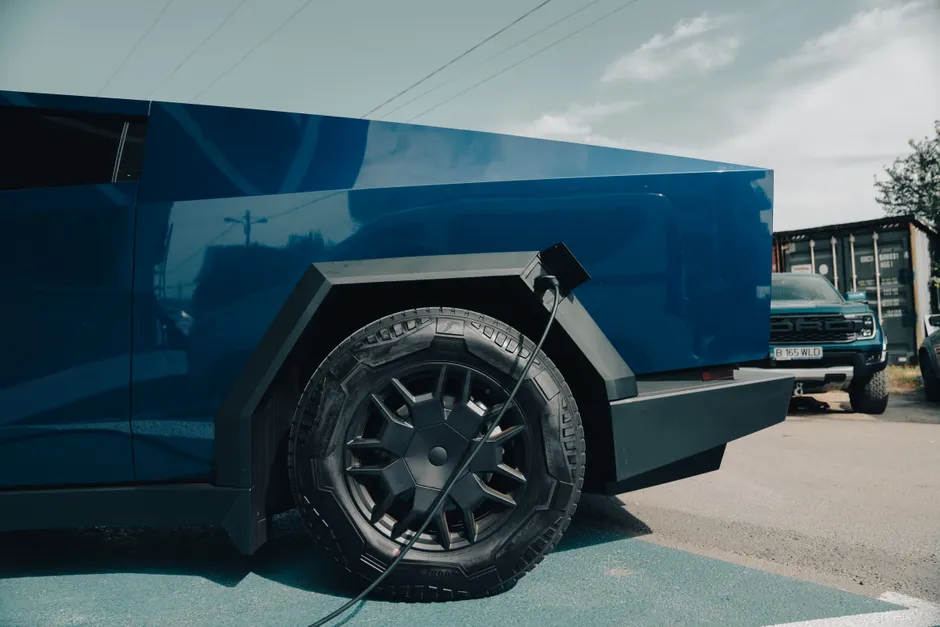
Ford has announced two new chargers that let its upcoming Fathom electric pickup send power out of its battery, either to a house or back to the electricity grid. The announcement was made on October 27, 2026.
Ford has also put prices on the equipment.
The Home Power Station costs around $650, according to TechCrunch. That is about 50% less than Ford's first-generation charger of this type. Such chargers are called bidirectional, because they move power in both directions: into the car to charge it, and out of the car to run the home.
The Home Backup Power package pairs the Home Power Station with the Home Backup Panel. It costs around $2,100, roughly 60% less than the first-generation product.
Ford says the Fathom will be able to deliver more than 10 kW, or kilowatts, a unit of power, to a home. Both new chargers will also let Fathom owners join virtual power plants. In these programs, many separate batteries work together and respond to signals from the grid.
The truck starts at $28,350, according to Ford. That price applies to the standard-range battery version. Ford describes the Fathom as an all-new midsize electric truck. The company said pre-orders for the Fathom will open in early 2027. Neither the truck nor the chargers are on sale yet.
This is a plan, not a delivery. Ford has set a starting price and a pre-order window, but the chargers and the truck have not reached customers. The figures are the company's stated prices, not the prices buyers will actually pay.
Until now, the ability to power a house from a car has mostly come on higher-priced vehicles or through separately bought hardware. The truck's battery works something like a large power bank for the house, and that kind of backup has been out of reach for many households.
The broader context here is cost. A charger about half the previous price, paired with a truck starting near $28,000, changes the math for a household comparing an electric truck with a standby generator or a home battery. The pricing does not answer questions about installation, utility approval rules, or how much money virtual power plant enrollment will earn.
In my view, the bigger question is whether these prices hold once the product ships. Bidirectional hardware has often arrived with a headline price that rose once installation labor, permits and certification were added. If the $650 and $2,100 figures survive launch, far more owners could gain a practical route to whole-home backup and grid participation than the category has offered so far. That would change how EV batteries get used, even if the early numbers turn out to be optimistic.