Why Britain Keeps Running Short on Electricity During Heatwaves
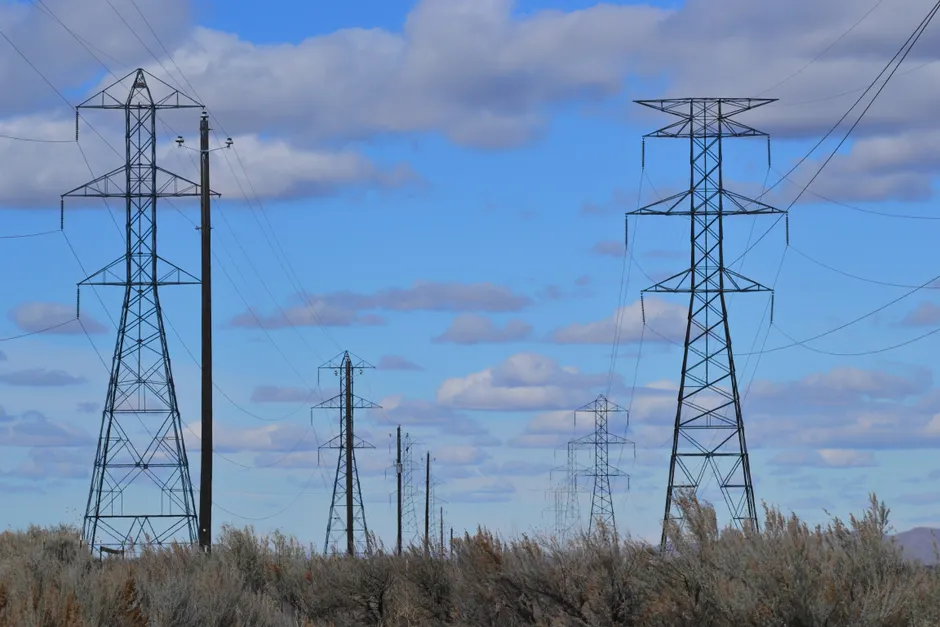
Britain's electricity operator asked power plants for extra help on Thursday night because the country was heading toward tight power supplies during a heat wave, with some southern areas expected to reach 34°C The Guardian.
Neso, the organization that manages Britain's electricity grid, explained that extreme heat across Europe was making it harder to generate electricity. The operator said this was a routine check and that homes and businesses would not lose power The Guardian. When Neso sends one of these notices, it's asking power stations to make more electricity available. It's a normal tool they use to manage the system — not a sign that blackouts are coming.
This is the second time in two months that Neso has asked for extra power during a heat wave. In June, the operator made a similar request when temperatures were extremely high across the UK and Europe, and wind was weak Yahoo Finance. Neso told power plants to send any extra electricity they could The Telegraph. That June heat wave set a new June record: 37.7°C in Norfolk on 27 June, beating the old record of 35.6°C from 1976 The Guardian.
The hot weather is expected to last more than ten days. That means Neso might need to ask for extra power again. What's happening here is straightforward but important: when it gets very hot, two things happen at the same time. More people turn on air conditioning and fans, so everyone needs more electricity. At the same time, the power plants themselves work less efficiently because they use river water to cool down, and when that water gets too warm, the plants can't generate as much electricity.
This problem isn't just affecting Britain. France's nuclear power plants are struggling because their cooling water is too warm. France normally sells a lot of electricity to Britain through undersea cables. When French plants can't generate as much, Britain loses that extra supply right when it needs it most The Guardian.
The real question is whether this keeps happening every summer now. Neso says each notice is normal and routine. That's technically true — these notices are a standard part of how they run the system. But the fact that they're happening more often suggests that Britain's grid was not designed with today's heat waves in mind. A decade ago, these kinds of shortages during summer were rare. Now they're becoming regular.
Neso started running the grid on its own in 2024, and this is shaping how people judge whether the changeover is working Neso. The way it handles these back-to-back heat events will matter.


