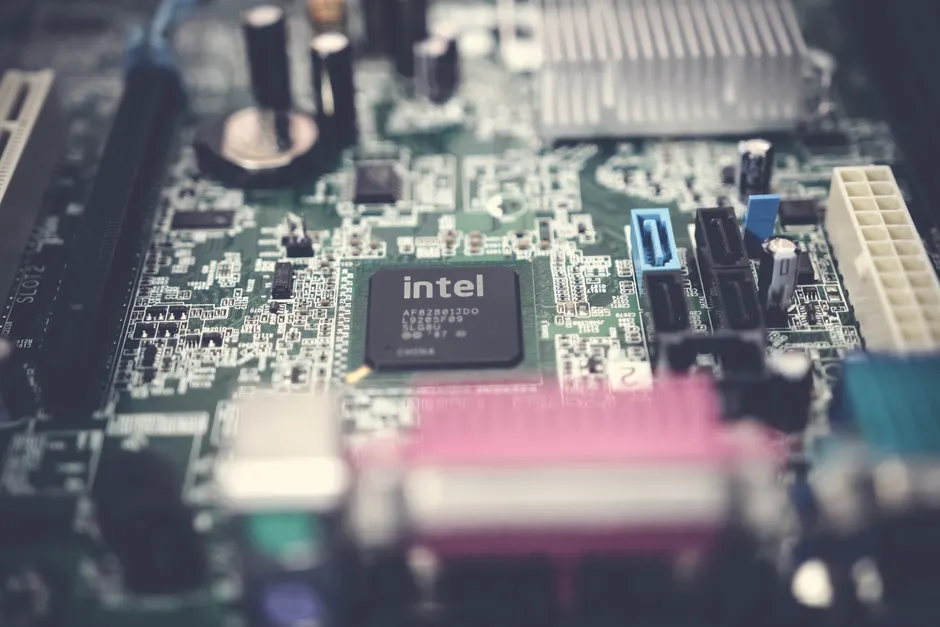
Why Intel's Bad News Pulled Down Tech Stocks

Intel shares fell 21% in after-hours trading on Thursday, Oct. 29, after the chipmaker reported lower profit for its third quarter and warned that its fourth-quarter results would be weak. (Companies split their year into four three-month periods called quarters.) The Wall Street Journal's Oct. 29 market coverage put the drop at 21%. After-hours trading happens after the stock market closes for the day. The selloff carried into Friday's premarket session, which is trading before the market opens. The Journal's live coverage for Oct. 30 described it as Intel stock crashing before the open.
The trouble sits in Intel's core business. Intel expects the total pool of personal computer demand it can compete for, which analysts call its addressable market, to shrink by about 12% in 2026. That outlook, as reported by the Journal, is a company projection, not a result that has already happened.
Still, a drop of that size in its customer pool is a hard message. Intel makes much of its money selling the chips that run PCs, so a smaller market hits its sales directly. Its fiscal third quarter ended Sept. 26, 2026, so the warning covers the period right after it.
Amazon reported the same evening. Its third-quarter release showed net sales, which is total revenue, of $201.9 billion. That was up 12% from $180.2 billion a year earlier. Operating income, the profit left after paying the costs of running the business, was $28.1 billion. That works out to an operating margin of 13.9%, meaning about 14 cents of each sales dollar was kept as operating profit.
Those are solid numbers. But the stock reaction did not depend on them alone. Investors were looking at how much Amazon is spending, how much cash it generates, and what it is building ahead of customer demand.
Reuters reported that the selloff after the Amazon and Intel results hit AI stocks, cloud computing companies, and chipmakers alike. In my view, that spread is the detail to weigh most. The two reports touched different links in the same chain. Intel's warning is about fewer people buying regular PCs. Amazon's report is closer to the cloud, where investors have been asking whether heavy spending on AI will pay off. When both landed on the same night, the market treated them as one trade, not two separate stories.
The Journal's live coverage described Friday's move as the tech selloff getting worse after the two reports added to worries about the AI trade. Whether that continues depends on the trading days that follow.
For ordinary savers, the link usually runs through index funds. These funds hold a wide slice of the market, and the largest technology companies make up a big part of the most-watched U.S. benchmarks. A sharp drop in a handful of AI, cloud, and chip stocks therefore shows up in broad fund returns. Borrowers and retirement savers who own stocks feel this indirectly, through the value of their accounts. Their loan terms do not change.
For people watching these companies closely, the key questions are whether Intel's 12% forecast holds up over the next few reports, and whether Amazon keeps its margin as its spending rises. One night of trading cannot answer either question.
My own read is that a 21% drop prices in a lot of pessimism at once. "Priced in" means the price already reflects what investors expect. The premarket decline on Friday suggests the market moved faster than any new guidance could. What investors know on Oct. 30 is narrower than what they have already priced in, and that gap is where the next moves are likely to come from.