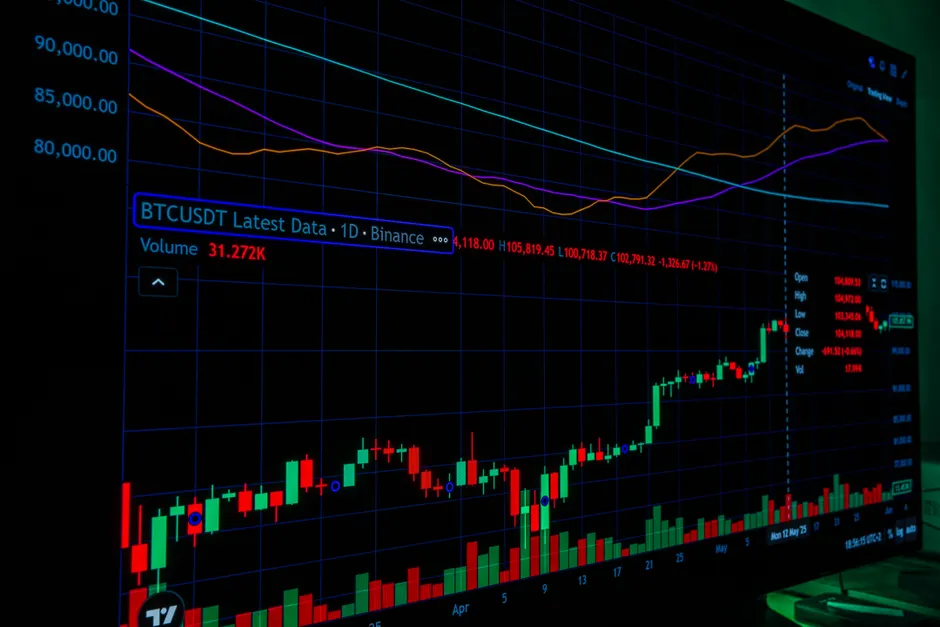
Binance Lost $6.3 Billion to Hackers. Here's What That Means for Users.
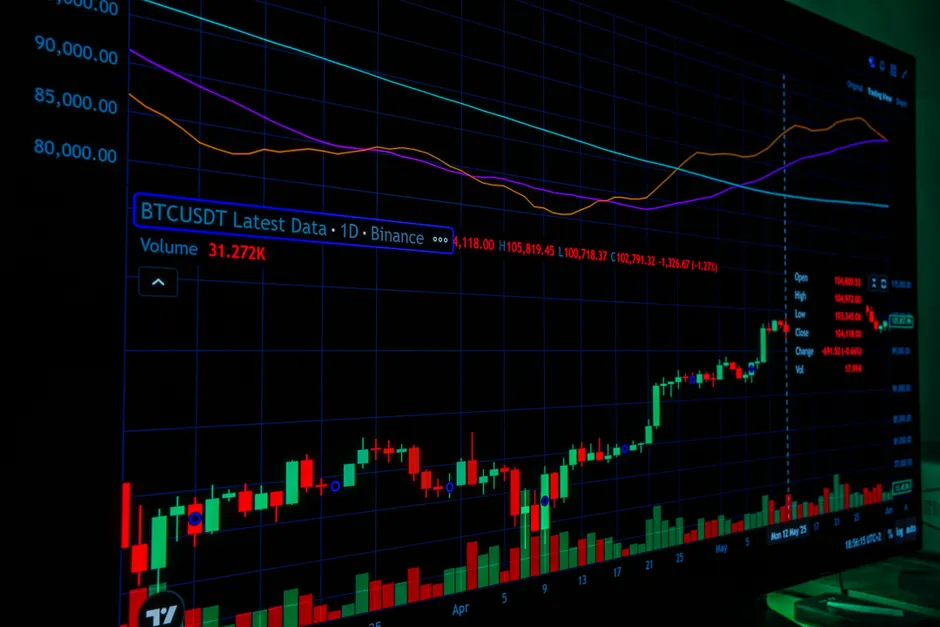
Hackers stole $6.3 billion from Binance, the world's largest cryptocurrency exchange. Reuters and CNBC reported on October 29, 2026, that it was a record theft. The exchange's figures have changed since then, and the newer numbers are the ones that matter to customers.
An exchange is a website where people buy and sell cryptocurrency, which is digital money that lives on computer networks instead of at a bank. Binance's own security update, dated October 30, 2026, says the company found a suspected compromised laptop belonging to one of its engineers. The same update says about $3 billion has been frozen on-chain. "On-chain" means the funds sit on the public record of crypto transactions, and they have been stopped from moving.
The update also says user funds are safe and that losses are covered by a reserve called the Secure Asset Fund for Users, or SAFU. The update is the company's own statement. Its promise that users will be covered rests on that fund.
SAFU is a reserve Binance keeps for events like this. The company's glossary says it may use SAFU assets to compensate users if a security incident causes them to lose funds. The word "may" matters. It means the reserve is allowed to be used for this purpose. It does not mean payments happen automatically. CNBC put the fund's value at about $1.2 billion as of October 30, 2026, and said it could cover roughly a third of the remaining losses.
Co-CEO Richard Teng said Binance would cover all losses from the hack using SAFU and company money. That is a promise. It is not a record of payments already made. If you hold a balance on the exchange, that difference is important.
Here is the math. $1.2 billion is less than a fifth of $6.3 billion. If the reserve covers about a third of what is left after the frozen funds are subtracted, the rest of the promise has to come from company money, the second source Teng named.
In my view, a promise to cover everything is only as strong as the money behind it. Binance's company funds are not the same thing as the reserve set aside for customers, and the public has not yet seen how the two will be divided.
Frozen does not mean recovered. Think of the $3 billion as money that has been locked in place, not money back in the company's hands. Whether it returns to Binance's control, and how quickly, will decide how much of the gap closes. Until that happens, the frozen amount is a best-case offset, not cash.
The Wall Street Journal called the episode a potential biggest-ever crypto heist in an article published October 30, 2026. The word "potential" in that headline is important.
For an ordinary Binance user, the question is narrower than the headline figure. It is whether a specific balance is covered, when it will be paid, and how. The company says user funds are safe. The real test is whether the reserve and the company's own resources can absorb the losses without coverage becoming a negotiation.
The broader concern is whether the damage stays inside one platform. Lenders, trading partners and other firms that supply money to the market will watch the recovery numbers closely. The frozen-asset figure is likely to be the first one they check against the reserve.