Half of 401(k) Savers Want Private Investments. Here's What That Does and Doesn't Mean.
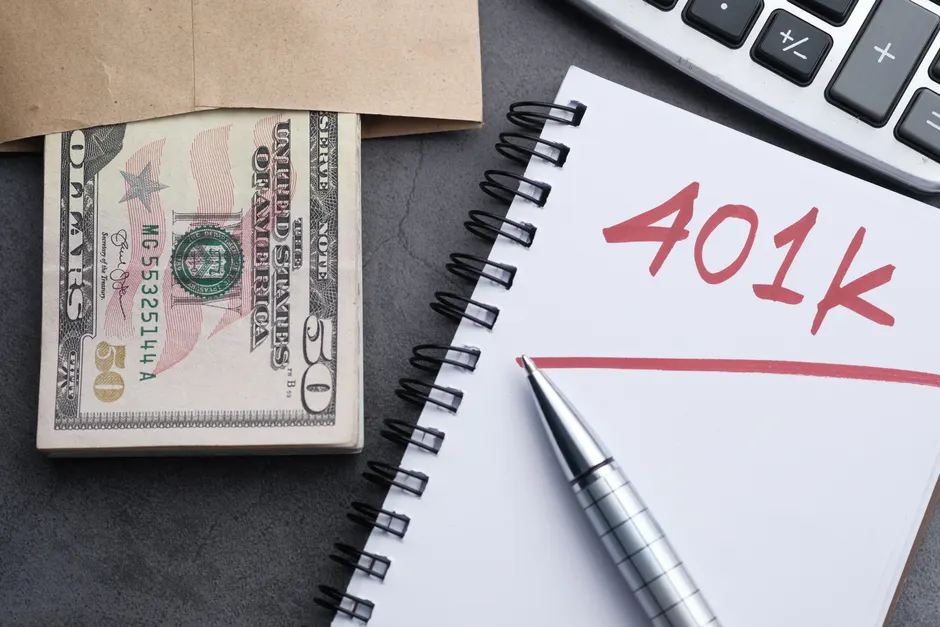
Half of 401(k) savers say they would invest in private assets if their plan offered them, according to Schroders' 2026 U.S. Retirement Survey, published October 29, 2026. That is up from 45% in an earlier measurement, per NAPA.
A 401(k) is a retirement savings account offered through an employer in the United States. Private assets are investments that do not trade on public stock markets, such as shares in companies that are not listed on an exchange.
The number is a stated preference, not money already invested. Survey respondents were asked whether they would invest if given access. How far that answer is from real dollars in a plan depends on several things: the default settings (what happens if you do nothing), how fees are disclosed, the rules for cashing out, and how often private holdings are valued. Plan sponsors, the firms and employers that run these plans, will weigh those details carefully before changing any menu.
A separate figure points the same way. Yahoo Finance reported on October 29 that 78% of plan participants believe private assets can enhance 401(k) portfolios through diversification. Diversification means spreading your money across different kinds of investments, so one bad result hurts less. It is the argument private market sponsors have leaned on most. But the claim is about how a portfolio is built, not about how much a saver will actually earn.
The policy backdrop is still changing. A White House presidential action titled "Democratizing Access to Alternative Assets for 401(k) Investors" was published in August 2025. In March 2026, Reuters reported that a U.S. proposal would open 401(k) plans to private equity and crypto assets. By June, Reuters reported that U.S. fund management firms had backed the proposal, while others raised concerns about risk. The proposal is a plan, not an adopted rule.
Fees are at the center of the debate. In April, MarketWatch published a story headlined "coming for your 401(k)," saying high-fee private funds were on their way and that the acting labor secretary was cheering them on. The same piece cited Warren Buffett, who pointed out that the arithmetic makes it almost impossible for a high-fee fund to come out ahead. Buffett has said his preferred approach avoids high fees that wear down returns, as Business Insider reported in early October.
In my view, the fee point deserves more attention than the survey numbers. Fees work like a slow leak. Each year a small amount drains out, and that money can no longer grow for you. A private fund has to beat a low-cost index fund by enough to cover its higher fees before it adds anything for you.
Buffett, who was 96 in October 2026, also warned that rising prices, rather than underlying value, had driven stock buying through 2026, according to Yahoo Finance.
That warning is about public stocks, but I think it applies to private funds as well. Their prices are set by appraisal, meaning an estimate rather than a trade on an open market. A saver who sees strong past values may not know how those values were produced.
For a participant, the real question is not whether private assets belong in retirement savings at all. It is whether a specific product, at a specific fee, with specific rules for cashing out and valuing holdings, leaves you better off after costs. A 52% willingness figure tells plan fiduciaries, the people legally responsible for running the plan, that demand exists. It does not tell them how the product will perform after fees. That is the number that will matter to savers once an option appears on their menu.