Why a Korean Memory Chip Company Just Had Its Biggest Stock Market Moment
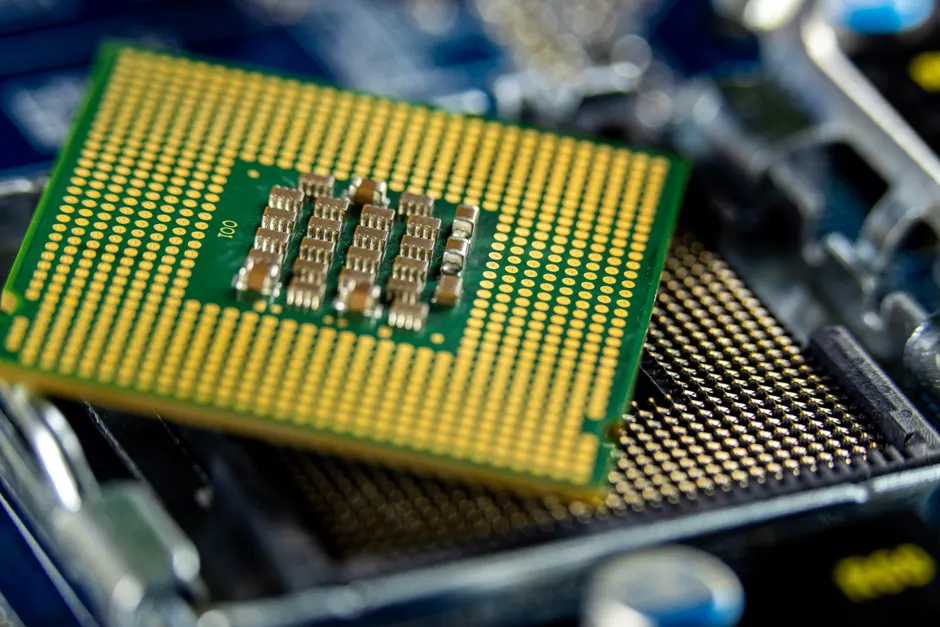
SK Hynix, a South Korean company that makes the memory chips inside computers and data centers, started trading on the US stock market on July 10, 2026. The company raised $26.5 billion in what became the largest IPO of any foreign company in US history — breaking a record that had stood for over a decade The Verge.
The shares opened at $170 each. This was not a company leaving its home country — SK Hynix's main listing still sits on South Korea's stock exchange. Instead, the US listing is a way to raise additional capital while keeping the existing structure intact Reuters.
What SK Hynix Does
Memory chips are the part of a computer that temporarily holds information while the machine is doing work. Think of them like a desk where a person spreads out their current project — the bigger the desk, the more you can have in front of you at once. SK Hynix is one of three companies on Earth that make most of these chips. Right now, the company controls about 29% of the global market, behind Samsung at 38% and Micron at 22% The Verge.
Why Now, Why This Big
The company hit a $1 trillion valuation just two months before the US listing. That sudden jump happened because of demand for a special kind of memory chip called HBM — high-bandwidth memory. These chips are crucial to training and running AI systems like ChatGPT.
SK Hynix has become Nvidia's main supplier for this HBM technology. Nvidia makes the most sought-after AI chips in the world right now, and that partnership pulled SK Hynix into the same investment spotlight as the broader AI boom The Verge.
The company plans to spend billions of dollars over the next five years building new factories to make more memory chips. That kind of capital spending is enormous. By listing on the US stock exchange, SK Hynix gains direct access to American investors and to dollar-based funding — which matters because the money available for AI infrastructure projects is currently flowing through US markets and investors Reuters.
The Risk Worth Considering
Memory chip businesses have historically been brutal. When too many chips get made and supply outpaces demand, prices can collapse — even when customers still want the chips. This has happened repeatedly over decades.
SK Hynix is raising this money and committing to a five-year expansion plan at a moment when AI chip demand is at a peak. By the time the company finishes building those new factories, the market could look very different. SK Group chairman Chey Tae-won has said the shortage will persist until 2030, but that is a prediction, not a guarantee. If demand softens before then, SK Hynix will have spent enormous sums on capacity it cannot fully use, and margins will suffer The Verge.
What This Means for the AI Hardware Supply Chain
The largest US companies building AI systems — Google, Microsoft, Meta — are all negotiating with SK Hynix, Samsung, and Micron right now about when they can get the memory chips they need. Whether SK Hynix can actually deliver on its five-year plan, and at what cost, will shape the timeline and expense of building AI infrastructure in the US and worldwide.
A comparison: when Alibaba listed in New York in 2014, it was introducing a brand-new Chinese company to American investors. SK Hynix's US listing is different. The company has been trading in Seoul for decades. This US listing adds a new pool of capital alongside those existing investors rather than replacing them. The headline numbers look similar, but the underlying mechanics are not the same Reuters.
The broader context here is one I have watched unfold before in the semiconductor business. A company that once looked like a generic parts supplier suddenly gains enormous bargaining power because a single technology — in this case, AI training and inference — needs so much of what they make. For most of its history, memory chips were a commodity business where prices fell steadily and competition was fierce. The arrival of AI accelerators has changed that temporarily, and SK Hynix's Wall Street debut reflects a bet that the change will continue.


